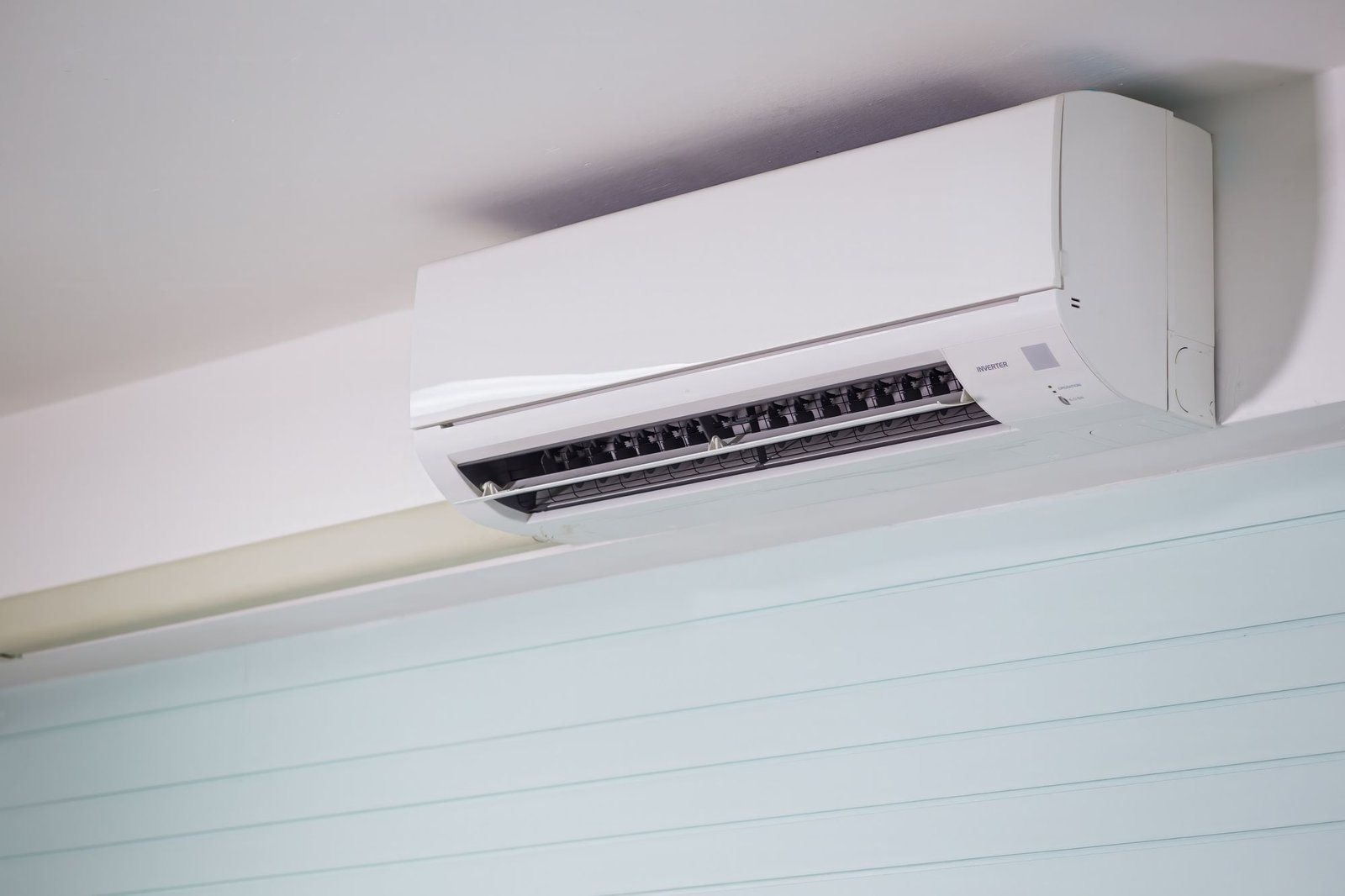
If you're weighing a TOSOT mini split against a Midea mini split, the decision usually comes down to how much cold-climate performance and long-term warranty coverage you need versus how much you want to save upfront. Both brands sell competitive, energy efficient ductless mini splits built on inverter technology, but they target different buyers. We anchored this comparison around TOSOT's 12K 120V GWH12AWCXB-A6DNA1AI and representative Midea single-zone cold-climate models (like the Easy Pro Extreme Heat 15.4k R-454B) to keep the numbers concrete.
The single biggest practical difference is that Midea backs its systems with up to a 12-year registered warranty and a broad dealer network, while TOSOT delivers strong specs per dollar with a simpler 5-year whole unit warranty and a more DIY-friendly buying path.
The short answer: For homeowners adding one or two zones on a budget, especially in climates that rarely drop below −10°F, TOSOT offers excellent value without giving up cold-weather ability. For those who need a primary heat pump in severe winters, want a long warranty or prefer a full contractor package, Midea is the safer long-term investment.
What Is TOSOT in Mini Splits?
TOSOT mini-splits are made by Gree, one of the world's largest air conditioning companies. TOSOT is Gree's value-oriented ductless system brand, and it is sold mainly through online retailers like TosotDirect and big-box channels rather than through traditional contractor sellers. The product range centers on single-zone wall units that range from about 9,000 to 24,000 BTU, with both 115/120V and 208/230V options.
The model we reference most here, the TOSOT 12K 120V GWH12AWCXB-A6DNA1AI, is rated 19 SEER2 and 8.5 HSPF2 on R-32 refrigerant, heats down to −13°F, comes with a 16 ft pre-insulated line set, carries a 5-year whole-unit warranty (parts and compressor), and uses standard flare connections rather than quick-connect fittings. TOSOT's efficiency ratings usually range from 16 to 21 SEER2 across the product range.
Defining strengths:
-
Cold-climate ability on key models. TOSOT mini-splits are well-regarded for cold-weather performance. The 12K unit's −13°F heating floor puts it well beyond "cooling-only" ground.
-
Above-minimum efficiency. At 19 SEER2 / 8.5 HSPF2, the 12K model comfortably exceeds the national floor of 14.3 SEER2 and 7.5 HSPF2 that has applied to all split-system heat pumps sold in the U.S. since January 1, 2023.
-
Value pricing. If you're willing to shop online and hire your own installer, you can save a lot of money compared with dealer-packaged brands.
-
Conventional flare-type refrigerant line connections that any experienced HVAC pro can work with, with no special fittings needed.
Typical downsides: The installer network is smaller and more broken up than Midea's. And the 5-year warranty, while simple, is shorter than what other brands like Midea or Mitsubishi (which carries a 12-year limited warranty) offer on registered systems.
What Is Midea in Mini Splits?
Midea is the world's largest HVAC manufacturer, and its U.S. division sells a broad portfolio of mini split systems, single-zone, multi-zone with multiple indoor units, and ducted options like the EVOX G3. Equipment is usually sold through contractors and sellers, giving you access to professional installation and local parts inventory.
On cold-climate performance, Midea stands out. Many Midea mini splits hold 100% heating capacity at −4°F and operate down to about −22°F. The EVOX G3 outdoor unit has 100% heating output at −13°F, while the DLCPRB line has 100% capacity at 0°F and keeps about 75% at −22°F. How low can modern mini-splits go? They can operate in temperatures as low as −22°F, and Midea's top levels prove it.
Midea has robust extended warranties available for its products. When properly registered through an authorized dealer, Midea's residential warranty extends to 12 years on parts and compressor for the original buyer. Without registration, standard coverage drops to 5 years parts / 7 years compressor.
Defining strengths:
-
Strong U.S. warranty infrastructure with online registration, search tools and authorized service providers.
-
Broad contractor and seller network for easier installation, faster parts access and experienced local support.
-
High-performance cold-climate models (Extreme Heat series, EVOX G3, DLCPRB) suitable for primary heat in severe winters.
Trade-offs: Upfront pricing is generally higher than TOSOT for similar nameplate capacity, and most Midea systems are oriented toward professional installation rather than DIY buyers. Getting the full 12-year warranty needs buying from authorized sellers, having a licensed contractor install, and signing up within a tight window.
TOSOT vs Midea Mini Split Key Differences
The table below shows how these two brands compare across the factors that matter most when you're choosing between them. We've used the TOSOT 12K 120V and representative Midea cold-climate models as reference points.
| Factor | TOSOT | Midea |
|---|---|---|
| Best for | Homeowner adding 1–2 zones on a budget, comfortable sourcing online | Homeowner needing whole-house heat in cold climate, preferring dealer support |
| 12K single-zone installed cost (typical) | Equipment \~$1,100–$1,500; installed \~$2,500–$4,000 | Equipment \~$1,500–$2,500+; installed \~$3,500–$5,000+ |
| Cold-climate performance | Heats to −13°F (12K 120V model) | Top models: 100% capacity at −4°F, operate to −22°F |
| Efficiency (example models) | 19 SEER2 / 8.5 HSPF2 (12K R-32) | Up to \~22.2 SEER2 / 11.5 HSPF2 (Extreme Heat 15.4k R-454B) |
| Warranty (with registration) | 5-year whole-unit (parts + compressor) | Up to 12-year parts/compressor when registered |
| Installer / dealer network | Patchy; mostly independent HVAC pros | Broad; authorized dealers, distributors, parts hubs |
| Best fit home type | Retrofit zones-bedroom, office, basement, one room additions | Whole-house primary heat, multi-zone, large spaces |
Main takeaway: Midea wins on warranty depth, dealer support, and extreme cold performance. TOSOT wins on upfront value and simplicity for straightforward single-zone or two-zone projects in mild to moderate climates.
Decisive Factor 1: Price & Overall Value
Mini splits can cost between $3,000 and $5,000 to install depending on the project, and installation costs often match equipment cost. That makes the total price picture, equipment, labor, electrical work and long-term operating cost, the first thing most homeowners want to understand.
TOSOT equipment for a 12K single-zone unit usually runs $1,100–$1,500 online. Because the 12K R-32 model comes with a 16 ft line set included, you avoid a separate line-set buy. With a local EPA-certified installer handling refrigerant and commissioning, total installed cost in many U.S. markets comes to around $2,500–$4,000 depending on electrical work and site complexity. The 120V option can also save money by avoiding a dedicated 240V circuit, though mini-splits need a dedicated electrical line for installation regardless of voltage.
Midea cold-climate equipment (such as the Easy Pro Extreme Heat 15.4k R-454B) starts higher, often $1,800–$2,500 for the unit alone. Midea installs are more usually sold as contractor packages that package equipment, labor and warranty registration together. Total installed cost for a similar single-zone system often reaches $3,500–$5,000 or more. Line sets are usually bought and cut to length by the contractor, adding material and labor cost but offering more flexibility for longer runs.
Both brands are widely available in the market and offer competitive pricing relative to premium names. Midea and TOSOT both use inverter technology for efficiency, so neither is an energy hog. But operating cost differences between 19 SEER2 (TOSOT) and ~22 SEER2 (Midea Extreme Heat) are most in regions with long heating seasons. In milder climates, it can take many years for the efficiency premium to pay back the higher upfront spend. Mini-splits are more energy-efficient than central air systems in general, so either brand delivers energy savings compared with older central air conditioning setups.
Winner: TOSOT on upfront value - TOSOT generally costs less per ton of installed capacity and includes the line set, making it the better deal for budget-sensitive single-room or two-zone projects. Midea explains its higher price when you factor in the longer warranty, dealer support and superior cold-climate efficiency that can save on heating bills over a 15-year span.
Decisive Factor 2: Cold-Climate Performance & Heating Reliability
TOSOT's 12K 120V GWH12AWCXB-A6DNA1AI is rated to heat down to −13°F and maintains usable output through that range. That's a strong floor for a value-priced system. It makes TOSOT fully viable as a primary heat source in most U.S. climates where design temperatures stay above about −10°F. However, TOSOT puts out less detailed capacity retention data at in-between low temperatures than Midea does, so it's harder to know exactly how many BTUs you'll get at, say, 0°F.
Midea's deep-cold lineup goes further. The Easy Pro Extreme Heat 15.4k R-454B delivers 15,400 BTU/h at 47°F and its heating capacity actually goes up to about 17,500 BTU/h at 5°F, a feature of its enhanced vapor injection design. The EVOX G3 outdoor unit has 100% heating output at −13°F and keeps running to −22°F. The DLCPRB line delivers 100% rated capacity at 0°F and keeps about 75% at −22°F. These are published, verifiable figures that give you confidence if you live in a cold climate.
In real-world terms, if you're in the Upper Midwest, northern New England or mountain regions where −15°F nights are routine, Midea's top-tier cold-climate models provide a lot more heat when you need it most. If your winters rarely drop below −10°F, which covers the majority of the U.S. population, TOSOT's −13°F floor is enough, and the cost savings are hard to ignore. For context, Fujitsu mini-splits keep over 70% heating capacity at 5°F, so TOSOT's cold-weather showing is competitive with other brands at its price point.
Decisive Factor 3: Warranty, Support & Installer Network
A mini split's warranty and the ease of actually using it often matter more to long-term satisfaction than a few points of SEER2. When a compressor fails in year eight, the difference between covered and uncovered can be a $1,500+ repair bill.
Midea leads here by a wide edge. Its registered warranty extends to 12 years on parts and compressor for the original buyer, provided the system is registered within about 60 days of installation through an authorized dealer. Without registration, coverage drops to 5 years parts / 7 years compressor-still competitive, but a significant step down. Midea's large seller network means parts are generally accessible. Many contractors are experienced with Midea systems. Warranty claims flow through established channels, and tools like iCheck support remote diagnostics.
TOSOT offers a 5-year whole-unit warranty (parts and compressor) on models like the 12K R-32 GWH12AWCXB-A6DNA1AI. The coverage is simpler-there's no 12-year tier available-but there are also fewer hoops. You don't need to buy through an authorized dealer or race to register within a tight window. The trade-off is a shorter coverage ceiling and a more broken-up installer network: many TOSOT buyers find their own HVAC pro, and brand-authorized service is limited in some regions. For comparison, Klimaire needs registration within 45 days of buy. Unregistered Klimaire ductless mini splits drop to just a 1-year parts and compressor base warranty-making TOSOT's 5-year unregistered coverage look quite reasonable by contrast.
Who this matters to: If you're a homeowner planning to stay in the house for 10–20 years and you want the peace of mind to match, Midea's registered warranty is a clear advantage. If you're a landlord, a flipper working on a 5–7 year horizon, or simply budget-conscious and willing to accept more risk, TOSOT's simpler warranty may be perfectly enough. Indoor units from both brands operate quietly and are suitable for bedrooms and daily use spaces, so the comfort experience in the first few years is similar.
Winner: Midea for warranty and support - Midea comes out ahead on long-term peace of mind when you buy through their dealer network and register quickly. TOSOT's 5-year coverage is enough for shorter periods or buyers who prioritize cost over coverage length.
Decisive Factor 4: Installation, Refrigerant & Future-Proofing
TOSOT installation is relatively simple for a qualified technician. Running on a standard 115V outlet circuit (mini-splits can run on a standard 115V outlet in some models), the 12K 120V model avoids the cost and electrical work of adding a dedicated 240V line. It comes with a 16 ft pre-insulated line set and uses conventional flare fittings, with no special connectors needed. Installation may need drilling a 3.5-inch hole through the wall for the refrigerant line and drain line, which is standard across most mini-splits. Seven mini-split models in common circulation need strictly professional installation, and TOSOT is among them when it comes to refrigerant handling. You still need an EPA-certified pro for evacuation and charging, even though non-refrigerant tasks (mounting the indoor air handler, running the drain, low-voltage wiring) are manageable for a handy homeowner.
Midea systems are mostly 208/230V and assume a dedicated circuit, typical of pro-installed equipment designed for large spaces or whole-house use. Line sets are usually bought and cut by the contractor, which offers more flexibility for long runs, multi-zone layouts or homes with high ceilings that make routing harder. Midea's systems often have more advanced controls, wi fi connectivity and building automation, which is useful if you want smart features and remote temperature monitoring.
Refrigerant and future-proofing: TOSOT's 12K uses R-32, a lower-GWP refrigerant that matches the industry's shift away from R-410A. Using R-454B or R-32, many newer Midea units are part of a range of high-efficiency models that exceed 21 SEER2 ratings. Both are future-friendly choices. For buyers looking at discounted R-410A inventory from either brand, the EPA's May 2026 rule change removed the January 1, 2026 installation deadline for R-410A split systems built before 2025, pointing to leftover inventory. So leftover R-410A equipment can still be legally installed, provided all components were made or brought in before January 1, 2025. However, R-410A availability and servicing cost may rise in the coming years, so R-32 or R-454B units are the more future-proof path.
TOSOT vs Midea Which Should You Choose?
-
Choose TOSOT if:
-
You're comfortable buying equipment online and hiring a local EPA-certified HVAC pro on your own, and you don't need a 10+ year warranty.
-
Choose Midea if:
-
You prefer buying through a contractor with a 12-year registered warranty and local parts support, essentially a "set it and forget it" approach.
TOSOT vs Midea Mini Split FAQs
Do TOSOT and Midea mini splits meet U.S. efficiency rules?
Yes. Since January 1, 2023, all split-system heat pumps sold in the U.S. must meet at least 14.3 SEER2 and 7.5 HSPF2 across the country. TOSOT's 12K R-32 model is well above this floor at 19 SEER2 / 8.5 HSPF2, and many Midea systems, particularly the Extreme Heat and EVOX G3 lines, also exceed the floors by a lot. For reference, mini-splits range from 9,000 to 36,000 BTU across the market, and premium options from other brands like the Fujitsu Altair 500 Series reach SEER2 ratings up to 33.7, while LG Artcool Deluxe units fall between 25.5 and 27 SEER2.
Which brand is better for DIY mini split installation?
Neither TOSOT nor most Midea systems are true DIY quick-connect products. Both usually use flare connections and need an EPA-certified technician to handle refrigerant evacuation and charging. That said, TOSOT's kit-style packaging, with a 16 ft line set included and 120V options, makes it more friendly for homeowners who want to handle non-refrigerant work like mounting the wall unit, running the drain line and pulling low-voltage wiring. Diy installation of the complete system without a licensed pro is not recommended for warranty, safety or legal reasons. Most mini-splits connect through a refrigerant line and drain line run through the wall. That final connection needs proper tools and certification. True diy models with pre-charged quick-connect lines exist from other brands but aren't currently offered by TOSOT or Midea in their main product ranges.
How Do Warranties Compare Without Registration?
Many brands cut warranty terms way down when registration rules or dealer-install requirements aren't met. Midea's extended 12-year parts/compressor warranty needs registration within about 60 days of installation. Without it, coverage goes back to 5 years parts / 7 years compressor. TOSOT's 5-year whole-unit warranty is more simple but also capped at five years, less upside, but fewer registration catches. By comparison, Klimaire needs registration within 45 days of buy, and units that aren't registered drop to just a 1-year base warranty. We recommend checking exact warranty terms for your specific model and seller before buy and signing up quickly after installation.
Is it safe to buy R-410A mini splits?
From a regulatory standpoint, yes. The EPA's May 2026 rule change removed the January 1, 2026 installation deadline for R-410A residential split systems whose components were all made or brought in before January 1, 2025. Leftover R-410A inventory from TOSOT, Midea or any other brands can still be legally installed. However, buyers should weigh long-term refrigerant availability and future servicing costs against the lower upfront price of older stock. Units on R-32 or R-454B are the direction the market is heading and will likely be cheaper and easier to service over the system's full lifespan.
Can You Mix Midea and TOSOT Units?
No. You should not mix outdoor and indoor units from different brands or product series, even if the line sets physically connect. Controls, expansion valves and communication rules are brand- and series-specific. Mixing can void warranties and can risk system failure. If you want to use both brands in different parts of the house, run them as separate, independent systems, for example, a TOSOT single-zone in a guest room and a Midea multi-zone for the main living space, each with its own outdoor unit and dedicated refrigerant line set.