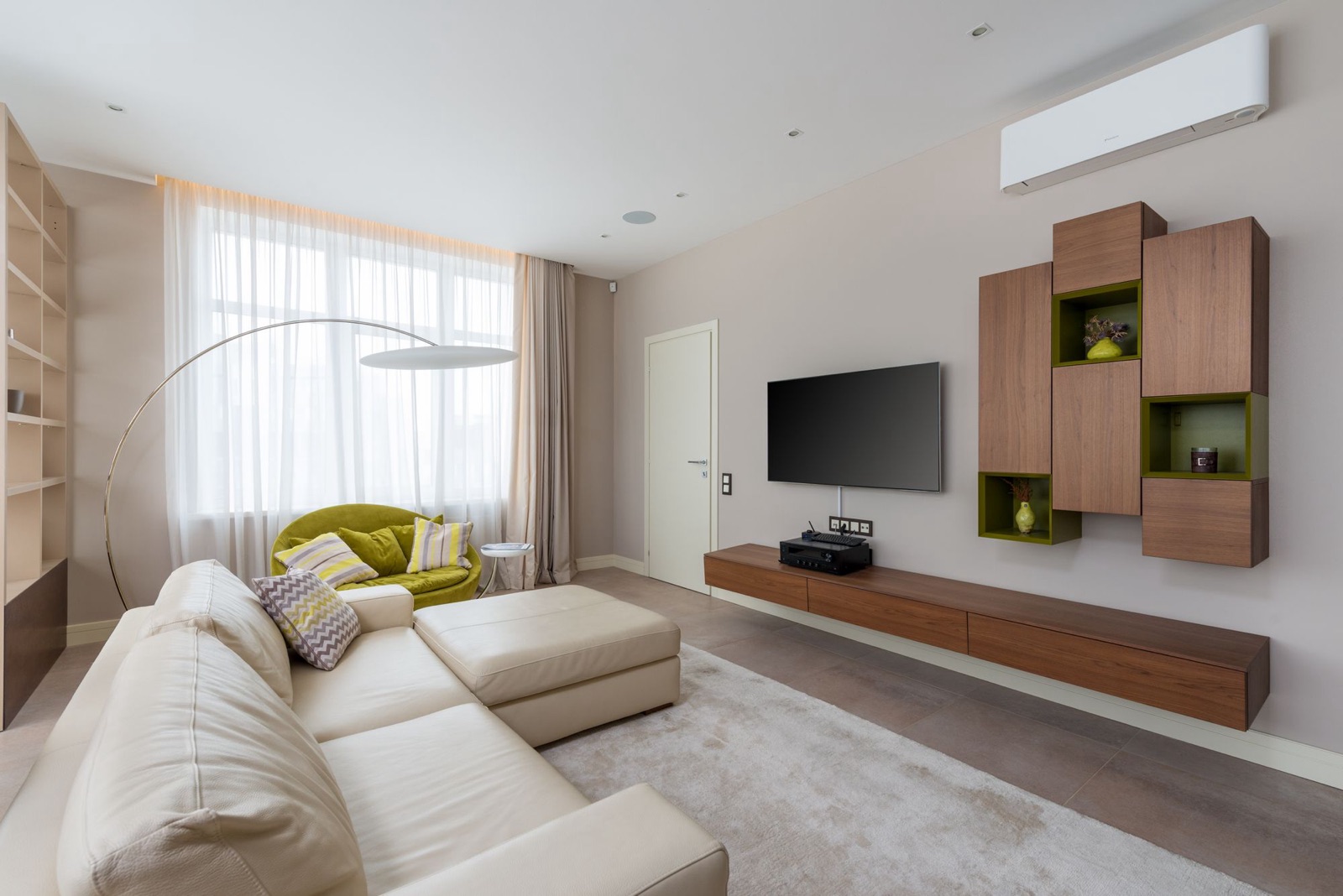
Introduction: 12,000 BTU DIY Mini Splits in 2026
Of the best 12000 BTU DIY mini split heat pump kits in 2026, Zone Air's 12,000 BTU system is the right pick for most rooms: 24 SEER2 on 230V, heating down to −13°F, pre-charged line sets cut to the exact length you need, and final assembly, testing, and inspection in the USA. Pioneer Diamante is the budget pick if you can handle a vacuum pump, and MRCOOL's DIY 5th Gen is compared further down.
If you're heating or cooling a single room-a garage, bedroom, home office, or bonus room-a 12,000 BTU DIY mini split heat pump kit is the sweet spot. A 12,000 BTU mini-split covers 300 to 550 sq ft under usual conditions, and systems in this size class can effectively cool or heat spaces around 350 to 600 square feet when insulation and layout work out. Mini-splits usually range from 9,000 to 24,000 BTU, and 12k is right in the middle: it has enough capacity for most single rooms without the complexity of a whole-home system.
This guide focuses specifically on 2026-ready DIY kits with pre charged line sets or DIY-friendly connections. It does not cover contractor-only systems that need HVAC techs, brazing equipment, or EPA certification. Because single-zone mini split installation costs range from $2,400 to $6,000 when you hire a pro, and multi-zone mini split systems can cost $6,500 to $15,000 or more, the distinction matters. A true DIY install can cut that bill by a lot.
If you're here, you want the best 12k DIY kit with real-world energy efficiency, honest installation difficulty, and a warranty that won't fall apart if you do the work yourself. After comparing specs, warranty terms, customer feedback, and installation complexity, the main conclusion is simple: Zone Air's 12,000 BTU DIY mini split is the best overall choice for 2026, thanks to US final assembly and testing, 24 SEER2 on 230V, custom line sets, and a 4.8/5 average across 157 verified customer reviews. You can also read about Pioneer Diamante and the MRCOOL DIY 5th Gen here.
How We Chose the Best 12,000 BTU DIY Mini Split Heat Pump Kits
This is a hand-picked list, not a random "top 10" that is padded with affiliate stuff. Every system here was checked against the standard that actually matters for someone who is buying a 12,000 BTU DIY mini split in 2026.
Core Evaluation Criteria
- DIY ease: Does the kit include a pre-charged line set with quick-connect or twist-connect fittings? Can a homeowner complete the install without a vacuum pump, manifold gauges or EPA Section 608 certification? Pre-charged line sets allow for simpler installation without a vacuum pump. Some manufacturers label systems as DIY even when professional installation is required, so the distinction between true DIY and DIY-adjacent systems involves installation requirements. DIY mini-splits still need some expertise for installation. That means mounting, drilling and basic electrical work. The refrigerant side should be sealed.
- Real efficiency (SEER2 and HSPF2): SEER2 ratings replaced SEER ratings in January 2023 under updated federal testing standards. SEER2 measures cooling efficiency and HSPF2 measures heating efficiency. True user-installable mini split systems generally top out around 22.5 to 24.0 SEER2. We focused on units above 20 SEER2, with extra credit for those reaching 24.
- Cold and hot climate performance: It needs to heat down to at least −13°F and cool up to 122–131°F if you're putting it in a garage or attic. Most mini-splits will run efficiently down to about 5°F outside, but if you get real cold weather you need a compressor that's built for that purpose.
- Reliability and build quality: whether the unit gets final assembly and testing in the US where that applies, whether it uses a DC inverter compressor, and where the parts come from. If you install it yourself as a homeowner and follow the instructions, the warranty for true DIY brands will usually be honored.
- Warranty and support: how many years the warranty covers parts and the compressor, whether you deal with the company directly or with a third-party seller for claims, and what user reviews say. DIY mini split installation may require a licensed electrician for $200–$400 on the electrical side, so warranty clarity on what's covered matters.
- Line set length flexibility: you can get a custom line set cut to the exact length you need (like a 32 ft single run), or you can use a fixed length and add couplers to go longer. Each coupler is a potential leak point.
- Indoor unit options: check if the same outdoor condenser can work with wall units, ceiling cassettes or ducted concealed heads later on if you want to change things up.
- Noise levels: mini-splits operate quietly, often below 30 dB on low fan speed, and that matters for bedrooms and offices.
- Price and total DIY cost: what the kit costs in 2026 in the real world, plus extra items like disconnect boxes, pads, line hide kits and any visit from an electrician. Installing it usually takes one day for single-zone systems and most mini-splits need a dedicated electrical line for installation.
- Long-term value: efficiency plus durability plus warranty versus upfront price. Over 10–15 years, the cheapest unit isn't always the best investment.
Best 12,000 BTU DIY Mini Split Heat Pump Kits in 2026
The market for true DIY mini split systems is pretty small. Instead of running through dozens of choices, here are the two best choices, listed by how DIY-friendly they are and how efficient they are over the long haul, not just by brand name or whether they're on retail shelves, followed by how the MRCOOL DIY 5th Gen lines up.
1. Zone Air 12,000 BTU DIY Heat Pump (115V & 230V) - Best Overall in 2026
Zone Air ships every system direct to consumer, and every system goes through final assembly, testing, and inspection in the USA before it leaves. Zone Air can make the pre-charged line set to the exact length you need (up to 75 ft in a single run), and the 230V model delivers 24 SEER2, the highest of the pre-charged quick-connect brands compared here.
Why It Stands Out
Final assembly, testing, and inspection in the USA means every outdoor compressor and indoor unit is checked before it ships. That's the reason the company can stand behind its warranty, and it cuts down on dead-on-arrival units and installation headaches. Zone Air's 230V version hits 24 SEER2. The 115V model is 23 SEER2, a touch below MRCOOL's 23.5 on its 12K 115V unit, so Zone Air's efficiency lead is on the 230V side.
The custom single-run pre charged line set is a genuine differentiator. As of November 2026, Zone Air is the only DIY mini split brand that does custom line set fabrication: it makes the refrigerant line to whatever line set length you need-17 ft, 32 ft, 58 ft-with no field couplers or extension connections. MRCOOL reaches longer runs by joining an extension line set to the first one with a coupler (fixed 11.5, 16, 25, 35 and 50 ft sets plus couplers). Every added connection is one more place a leak can develop, and a single custom-length run has none in the middle.
Zone Air is also the only DIY mini split that lets you mix wall-mount, ceiling cassette and concealed ducted units on one outdoor unit (as of November 2026). MRCOOL's ducted DIY option is a central air handler sized for a whole home. It is not the same thing as Zone Air's concealed ducted mini split, which is built to serve a single room (or two or three small ones).
The 115V plug-in kit is another unique feature. As of November 2026, Zone Air is the only brand that offers a plug-in outlet solution for homeowners who want a system that plugs into an outlet. Zone Air's plug-in kit for its 115V DIY systems lets you plug the system into a dedicated outlet where local code allows-no 230V line, no panel upgrade, and never an extension cord. The plug-in kit combined with the 115V system makes Zone Air's the easiest systems to install on the market. MRCOOL's 115V units are hardwired.
Best For
- Homeowners who want a full DIY install that is the easiest to do, with little risk of leaks or problems with the warranty
- Users in mixed or cold climates who need efficient heating down to −13°F, without spending too much on electric backup
- Buyers who prefer to handle the warranty directly and who want a 4.8/5 average customer rating
Key Strengths
- Final assembly, testing, and inspection in the USA before shipping-uncommon among diy mini splits
- 24 SEER2 at 230V. This is the highest rating of the pre-charged quick-connect brands that are compared here
- Custom pre-charged line sets that run from 5 to 75 ft in a single run, so you do not need extra quick-connect extensions
- Option to mix wall heads, concealed ducted heads and cassette heads on one outdoor unit
- There is a 115V plug-in kit for its 115V DIY systems. It is the easiest install on the market
- Often 15–30% cheaper than MRCOOL while it delivers higher efficiency on systems that are similar.
- It can cool in outdoor temperatures up to 131°F
- 5-year parts and 7-year compressor warranty with no registration deadline, and installing it yourself does not void it
- Direct-to-consumer shipping. All warranty claims and returns / exchanges are handled directly with Zone Air, and there are 30-day returns on uninstalled units and free shipping to the lower 48
- Pricing (November 2026): $1,999.99 (115V) or $2,049.99 (230V) for a 12k single zone wall mount
Possible Limitations
- Sold online, direct and through Amazon, rather than on big-box store shelves. That could be a change in thinking for you
- For the 24 SEER2 230V version, you will need a dedicated 230V circuit and you will usually need an electrician to come out. With the 115V plug-in model, you can skip all of that
- Multi zone flexibility exists, but this article focuses on the 12k single zone; some readers may want larger sizes not covered here
2. Pioneer Diamante 12,000 BTU - Best Budget DIY-Adjacent Option
Pioneer Diamante is a value-focused brand that's popular online, with 12k BTU mini split systems that are not fully pre charged DIY-but are often installed by confident DIYers using rental tools or partial pro help.
Why It Stands Out
Compared to full DIY-kitted mini split brands, the upfront pricing on Pioneer's 12,000 BTU systems is good. The parts support is based in the US and the documentation is reasonably detailed, which makes it accessible. It is "DIY-adjacent" and it is great for those who are comfortable with flares, torque wrenches and a vacuum pump, or for those who are willing to hire a tech just for the refrigerant step. If you choose this route, you will usually need a licensed electrician for a dedicated 240-volt circuit, so you will want to budget for that.
Best For
- Budget-conscious homeowners who want a brand you would know and are okay with more hands-on install steps
- People with access to affordable local HVAC techs who can do evacuation and charging while the homeowner handles mounting and electrical work
- Garages, shops or bonus rooms where being as quiet as a bedroom is not as important
Key Strengths
- The equipment costs less than many pre charged DIY kits, so the 12k size mini split is easier to buy when money is tight
- Reasonable efficiency ratings (usually high teens to low 20s SEER2) that beat window air conditioners and many older ductless system options
- A decent reputation online, with a large installed base and with many tutorials you can find
- A good stepping-stone if you are an "advanced DIYer" who wants to learn conventional mini split installation
Possible Limitations
- Not truly DIY in the legal sense; proper install requires a vacuum pump, manifold gauges and often an EPA-certified tech
- Errors during flaring or evacuation can cause leaks and void warranty coverage. This is a higher risk for you if you are a first-time installer
- Support and warranty are more traditional. They are not as streamlined for you as direct-to-consumer brands like Zone Air
How the MRCOOL DIY 5th Gen 12,000 BTU Compares
MRCOOL sells its DIY 5th Gen through dealers and retailers. It does not sell direct to the public. The 12K kit is a 115V, hardwired unit rated at 23.5 SEER2 that uses pre charged quick-connect line sets with R-454B refrigerant, the same refrigerant Zone Air uses. MRCOOL's catalog says "no special tools or training are necessary to install," and there's no vacuum pump in the install.
Here's how it lines up against Zone Air on the facts:
- Efficiency: 23.5 SEER2 at 115V, and that is slightly above Zone Air's 115V (23). Zone Air's 230V model is more efficient at 24 SEER2, and MRCOOL's 12K comes only in 115V in the standard DIY line
- Cold climate: the standard DIY 5th Gen is rated to about −13°F (install manual), and that is the same floor as Zone Air. MRCOOL's Easy Pro heats down to 5°F. The higher-tier DIY models are rated to go even lower
- Line sets: you get fixed lengths of 11.5, 16, 25, 35 and 50 ft and you can use couplers to reach up to 75 ft per indoor unit with any excess coiled behind the condenser. For its part, Zone Air cuts a single run to the length you need
- Warranty: you get 5-year parts and 7-year compressor with no registration required, and that is the same main term as Zone Air
- Buying and support: MRCOOL is a more retail-availability-oriented company. It has no direct-to-consumer option, so you must purchase through a third party (distributors), which means dealing with a third party for warranty, replacement parts, returns and exchanges
- Reviews: MRCOOL's Trustpilot profile shows 3.0/5 across 94 reviews (November 2026). Reviewer complaints there include warranty denials on self-installed units and slow support answers
- Price: the 12K 115V kit was about $2,359 at retail in September 2026, while Zone Air's 12K 115V was $1,999.99
Quick Comparison of the Best 12,000 BTU DIY Mini Split Heat Pump Kits
Here's the quick summary. You can use this to compare key specs before you go into the detailed sections above.
| Spec | Zone Air 12K (230V) | Pioneer Diamante 12K | MRCOOL DIY 5th Gen 12K |
|---|---|---|---|
| SEER2 | 24 (115V: 23) | ~18–21 | 23.5 |
| Voltage | 230V (also offers 115V plug-in option) | 230V | 115V, hardwired |
| Min Heating Temp | −13°F | Varies by model | about −13°F |
| Max Cooling Temp | 131°F | Varies by model | 122°F |
| Line Set Approach | Custom single-run, 5 to 75 ft | Traditional flare (not pre charged) | Fixed 11.5–50 ft lengths + couplers |
| Refrigerant | R-454B | R-410A (some models) | R-454B |
| Price (dated) | $2,049.99 (Nov 2026) | ~$1,200–$1,600 | ~$2,359 retail, 115V (Sept 2026) |
| Warranty | 5 yr parts / 7 yr compressor, handled direct with Zone Air | Via retailer/distributor | 5 yr parts / 7 yr compressor, through dealers |
- Zone Air 12,000 BTU DIY (115V & 230V) - Best overall for 2026. 24 SEER2 on 230V, final assembly, testing, and inspection in the USA, custom pre charged line sets, 115V plug-in option, 4.8/5 reviews.
- Pioneer Diamante 12,000 BTU - Best budget DIY-adjacent kit for handy homeowners willing to handle or hire out traditional refrigerant work.
How to Choose the Right 12,000 BTU DIY Mini Split Heat Pump Kit
A 12,000 BTU unit is a common size for a mini split, but the right kit still depends on how big your space is, what kind of climate you live in, what your electrical panel can handle, and how comfortable you are with DIY. Here's how to narrow it down.
Choose by Room Size and Usage
A 12,000 BTU mini-split covers 300 to 550 sq ft under standard conditions: 8-foot ceilings, average insulation and a moderate climate. You'll need to adjust BTU based on room conditions. Add 20–30% BTU for garages and poorly insulated shops, and 10–15% for high humidity climates. If you've got a sunroom with large windows or a room with high ceilings, you may need to size up to an 18,000 BTU unit instead.
Oversizing a mini-split causes short-cycling, where the system turns on and off too fast without properly dehumidifying or reaching efficient operation. That wastes energy and shortens compressor life. If your room is only 250 sq ft with good insulation, a 9,000 BTU unit might be a better fit. Zone Air's free sizing calculator and live technical support can confirm whether 12k is right for your square footage before you buy.
For spaces you use every day like a home office or primary bedroom, you'll want higher SEER2 because the unit runs many hours and the efficiency savings add up. For a weekend workshop, upfront cost may matter more than peak efficiency.
Choose Based on Electrical and Install Complexity
The 115V versus 230V decision is worth taking the time to compare. With Zone Air's optional cord kit, a 115V unit can plug into a dedicated 15A outlet where local code allows, so you don't need a 230V line or a panel upgrade. A 230V unit typically needs a dedicated double-pole breaker and wiring, which usually requires a licensed electrician-budget $200–$400 for that.
Installation of a DIY mini-split can take 4 to 6 hours for two people. The basic tools you need include a drill and a 3-inch hole saw to make the hole the refrigerant line passes through. Truly pre charged DIY systems (Zone Air, MRCOOL) have no vacuum pump or refrigerant handling. Conventional flare and evacuation systems like Pioneer need a lot more skill and specialized tools. Never use an extension cord or surge protector for a mini split. These units need a proper dedicated circuit.
Be honest with yourself about how you feel on a ladder, drilling holes in exterior walls, and doing safe disconnect wiring. Mini-splits are easier to install than traditional HVAC systems, but they're still a real project. If the electrical work feels beyond your ability, hiring an electrician for that portion while doing the rest yourself will still save you thousands compared to full professional installation.
Choose by Efficiency, Climate and Cost
Mini-splits are able to avoid energy losses through ducts, saving 30% energy compared to central air conditioning systems. In fact, duct losses account for about 30% of central air's energy consumption, and mini-splits can use up to 60% less energy than central AC in some scenarios. This is why switching from central air to a ductless system for zone cooling makes sense in many homes.
You'll want to target a SEER2 rating of 18 or higher for daily use. For spaces running 8+ hours a day, the gap between an 18 SEER2 and a 24 SEER2 unit translates to real savings, and in hotter regions or with more usage, savings scale upward.
For cold climates, you'll want to look at heating capacity ratings at 5°F and −13°F. Zone Air's units are rated down to −13°F, so they hit the same floor as MRCOOL's standard DIY 5th Gen. MRCOOL's Easy Pro heats down to 5°F. The higher-tier DIY models are rated to go even lower. If you're in northern states where winter nights hit single digits regularly, this trade off matters. LG mini-splits can retain heating capacity down to −31°F, but those are contractor-install systems-not true DIY kits.
When it comes to refrigerants in 2026, R-454B and R-32 are the current-generation low-GWP options. They are replacing R-410A. You'll want to choose a kit that uses current-generation refrigerant. The latest diy models from both Zone Air and MRCOOL use R-454B. Mini-splits are able to dehumidify air continuously for comfort, and that is a significant benefit in high humidity regions beyond just temperature control.
Choose by Warranty, Support and Brand
Warranty terms vary a lot. Every system from Zone Air is sold direct to consumer. All systems come pre-inspected, and all warranty claims and returns / exchanges are handled directly with Zone Air. With a 5-year warranty on parts and 7 on the compressor, there's no registration deadline and installing it yourself does not void it. Across 157 verified customer reviews, Zone Air has an average of 4.8/5, and people who wrote reviews often mention the help they got from support during the install.
MRCOOL is a more retail-availability-oriented company. It has no direct-to-consumer option, so you must purchase through a third party (distributors), which means dealing with a third party for warranty, replacement parts, returns and exchanges. On Trustpilot, its profile has a rating of 3.0/5 across 94 reviews as of November 2026.
For context, other manufacturers in the wider mini split market also offer strong warranties. Mitsubishi Electric offers a 12-year limited warranty on mini-splits. Mitsubishi systems are contractor-install only, not DIY. The Fujitsu Altair 500 Series has SEER2 ratings between 21 and 26. These are pro install brands, not true DIY. Daikin mini-splits are known for affordability and efficiency in the contractor channel. These are worth comparing if you're considering a pro install path, but they don't compete directly in the DIY space.
Mini-splits can last 10 to 15 years with proper maintenance. Your warranty coverage and the brand's staying power are as important as the spec sheet. Read the fine print about what the warranty does not cover. Labor costs are excluded, refrigerant is excluded and damage from improper installation is excluded. Keep your proof of purchase. With most mini splits, the main maintenance tasks are to change the air filters regularly and to keep the outdoor condenser clear of debris.
Which 12,000 BTU DIY Mini Split is Best for You?
Here's the short version, turning the analysis above into concrete recommendations.
- Choose the Zone Air 12,000 BTU DIY kit if you want the easiest, most future-proof DIY kit in 2026. Final assembly, testing, and inspection in the USA, 24 SEER2 on 230V, custom pre charged line sets up to 75 ft, wall, cassette and concealed ducted heads on one outdoor unit, the 115V plug-in option, and a 4.8/5 customer rating make it the best diy mini split for most buyers. It's often 15–30% cheaper than MRCOOL while delivering higher efficiency on similar systems, and you deal directly with Zone Air for everything.
- Choose Pioneer Diamante 12,000 BTU if you're on a tighter budget, are comfortable handling or getting help with the vacuum and charge steps, and don't need a fully pre charged solution. If you go with Pioneer, the total diy cost is lower on the equipment itself, but you will need to factor in the cost of tools or a visit from a tech.
If you're unsure which size mini split or configuration makes sense for your space, starting a quote or chat with Zone Air's team is often the quickest way to confirm proper sizing and kit selection. They can help with Alexa and Google Home voice control questions too.
Final Thoughts
The 12,000 BTU DIY mini split heat pump market has matured significantly. In 2026, these are real, efficient, and realistic DIY projects for many homeowners-not just HVAC hobbyists. Mini splits offer genuine advantages over central AC and window air conditioners: better efficiency, quieter operation, zone control, and no duct losses. Installation labor costs that once made mini splits expensive are now avoidable with true DIY kits.
The best option depends on your priorities: absolute ease of install, upfront price, or how you want to buy and get support. For most readers seeking the strongest blend of efficiency, quality, install simplicity, and long-term support, the Zone Air 12,000 BTU DIY system is the clearest all-around choice in 2026. As of November 2026, it's the only DIY brand compared here that combines final assembly, testing, and inspection in the USA, custom line set fabrication, a plug-in option, and direct-to-consumer warranty handling.
Before you purchase, verify current rebates, utility incentives, and local code requirements. Many states and utilities offer meaningful rebates for heat pump installations meeting specific SEER2 thresholds-and a 24 SEER2 unit may qualify for larger incentives than lower-efficiency alternatives. Those savings, stacked on top of reduced installation costs and lower monthly bills, make the value equation hard to beat.