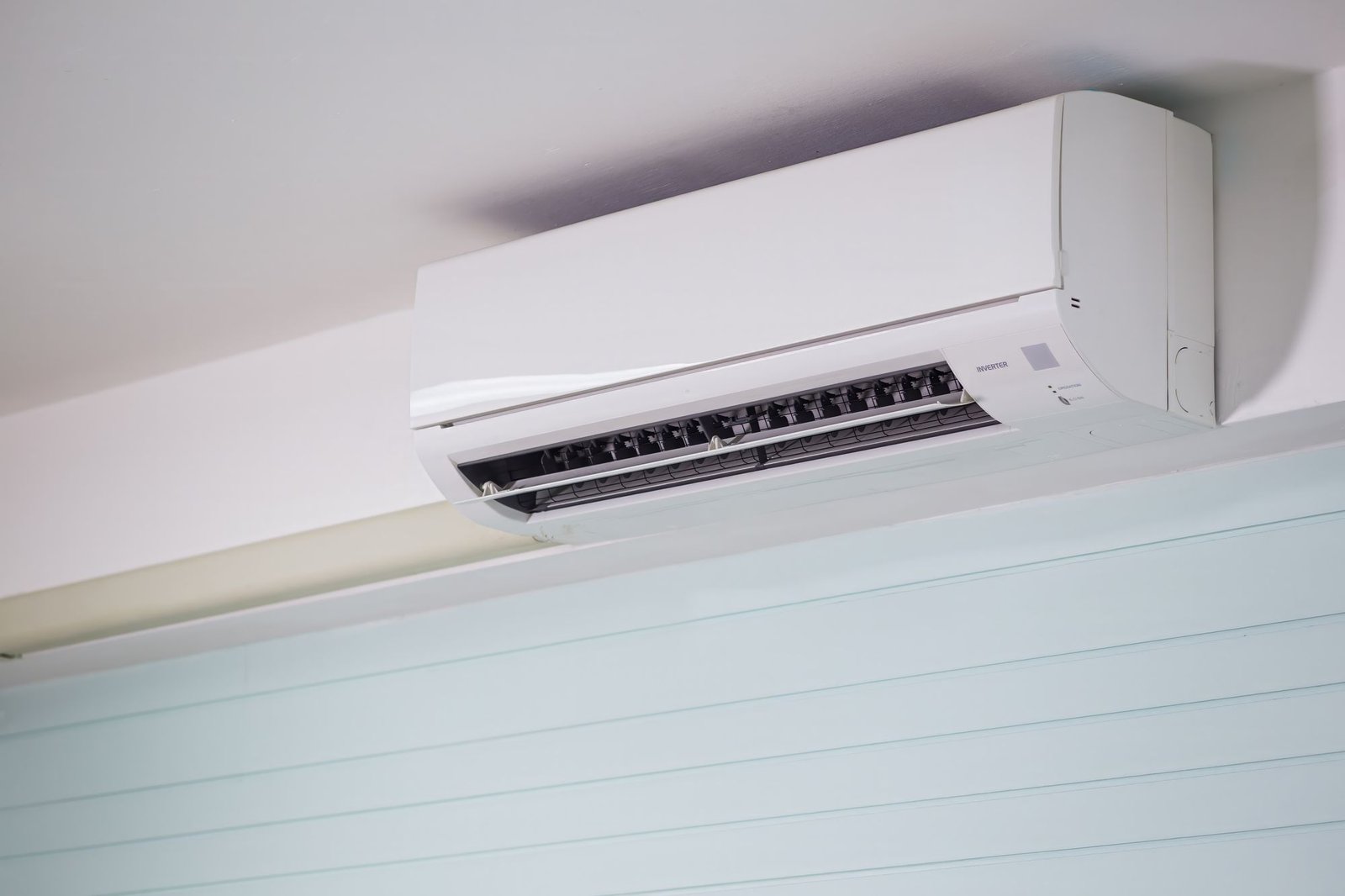
TOSOT vs gree mini split comparisons can matter because if you're trying to pick between these two brands for a ductless mini split project, you're basically looking at two branches of the same family tree. Coming from the largest manufacturer of air conditioners in the world, TOSOT is fully owned and manufactured by Gree Electric Appliances, but the two brands sit in different places on the price, efficiency and support spectrum. That gap in where they sit matters when you're spending money on equipment that needs to keep a room comfortable for 10–15 years.
The short answer: With solid specs and a lower upfront cost, TOSOT is a good fit if you're comfortable working with an independent installer. GREE has a stronger dealer network, and you can get a 10-year warranty through a Pick Dealer, so it's the better choice if you need a larger or more complex system. Both brands have the same core internal components and engineering designs, so the real decision comes down to how much price matters to you, what you want from the warranty, and how cold your winters get.
What Is TOSOT in the Mini Split Market?
TOSOT is a Gree-owned sub-brand that seems to aim at the budget-to-mid-range market for residential ductless systems. It has been associated with Gree Electric Appliances since 2015 and focuses on direct-to-consumer sales methods - you'll find its units on Amazon, Home Depot and through independent HVAC contractors rather than through a tightly controlled dealer network.
Here are the main things that seem to help define TOSOT in the mini split market:
-
Competitive pricing: TOSOT mini-split prices range from $1,200 to $4,500 depending on capacity and zoning - a 9,000 BTU unit costs $699.99, an 18,000 BTU unit is priced at $1,199.99, and a 36,000 BTU system costs $3,499.99 at regular price.
-
Simple warranty: TOSOT offers a 5-year warranty on compressors and a 5-year parts warranty, and the labor warranty terms depend on who does the installation.
We've looked closely at the TOSOT 12K 120V GWH12AWCXB-A6DNA1AI: it's rated 19 SEER2 and 8.5 HSPF2 on R-32, heats to -13°F, comes with a 16 ft line set and has a 5-year whole-unit warranty. It uses flare connections - not quick-connect - so you might not want to call it a true DIY install. With up to 3 zones per outdoor unit, TOSOT has models that work well if you want to add comfort to a bedroom, office or sunroom without making the project too complex.
What Is GREE as a Mini Split Brand?
What is it that sets GREE apart as a brand in its own right? Here's what you should know:
-
Broad efficiency range: Gree mini-splits usually range from 16 to 22 SEER2, and the HSPF2 rating on common residential lines is between 8.5 and 10.5. The Pular 230V is a premium cold-climate series that pushes to 26 SEER2 / 10.4 HSPF2, and the Airy 230V line reaches up to 30 SEER2 / 11.2 HSPF2.
-
Stronger dealer infrastructure: GREE supports a country-wide authorized dealer network, and if you place a warranty parts claim before 2:30 PM EST, it sends the same day.
-
Two-tier warranty: GREE's standard residential warranty is 5 years parts / 7 years compressor and does not need registration. The 10-year parts and compressor term is exclusive to GREE Pick Dealers and needs registration within 60 days of installation.
Both brands have variable-speed inverter technology for heating and cooling, and both brands have smart controls and Wi-Fi integration on selected models. GREE's fit is homeowners who want a better parts and support path through a recognized dealer network and are likely to hire a licensed HVAC contractor from the start.
How TOSOT and GREE Compare
| Factor | TOSOT | GREE |
|---|---|---|
| Best for | Value seekers, smaller projects (1–3 zones) | Homeowners prioritizing support, extended warranty, larger systems |
| Equipment price (single-zone 9K–12K) | \~$700–$1,200 | \~$900–$1,600 (varies by dealer) |
| Installed cost (single-zone) | $750–$1,800 labor on top of equipment | Typically higher due to dealer margins |
| Efficiency (SEER2 / HSPF2) | 16–22 SEER2 / 8.5–10.5 HSPF2 | 16–22 SEER2 baseline; premium lines to 30 / 11.2 |
| Cold-climate rating | Down to -13°F (Calet series) | Down to -22°F or -31°F (Pular, Vireo+ ULTRA) |
| Warranty (base) | 5-year whole-unit (compressor + parts) | 5 years parts / 7 years compressor |
| Warranty (max) | Extended programs through preferred dealers | 10/10 parts & compressor via Select Dealer |
| Distribution | Online retailers, independent contractors | Authorized distributors, dealer network |
TOSOT stretches your dollars on equipment specs, while GREE leans harder on support and long-term coverage if you use their Select Dealer network.
Factor 1: Price and Overall Value
For most people reading this comparison, cost is the factor that brought them here. A mini split heat pump is a 10–15 year investment. The total bill includes the cost of the equipment, the cost of installation and the electricity it draws every month it runs.
On upfront equipment cost, TOSOT wins. A 9,000 BTU TOSOT mini-split costs $699.99 and an 18,000 BTU TOSOT mini-split is priced at $1,199.99. Installed costs for TOSOT units are in the $750 to $1,800 range for labor depending on your area and the complexity of the project. Because TOSOT focuses on direct-to-consumer sales, there's less dealer markup baked into the regular price.
GREE units - especially the higher-efficiency Pular and Airy lines - cost more at the equipment level. The dealer-centric distribution model adds margin. We haven't found reliable published installed-cost averages for GREE, but forum feedback from customers and contractors consistently places GREE installed systems higher than similarly sized TOSOT units purchased online. That said, GREE's pricing can be offset by stronger local support and the potential for the 10-year extended warranty, which has real value if you end up requiring parts in year 7 or 8.
Factor 2: Efficiency and Cold-Climate Performance
SEER2 is what measures cooling efficiency, HSPF2 is what measures heating efficiency, and both matter for your electric bill. For homeowners in cold climates, HSPF2 and minimum operating temperature are especially important - a unit that loses most of its heating capacity at 5°F isn't doing you much good in January. ENERGY STAR's Cold Climate designation needs at least 8.5 HSPF2 for non-ducted (mini split) heat pumps and 15.2 SEER2, and meeting those cutoffs can unlock federal tax credits and utility rebates.
Both brands achieve high-efficiency numbers under similar conditions, and efficiency ratings depend on specific models and should be compared case by case. So how efficient are TOSOT mini-splits? They have a maximum SEER2 of 22 and an HSPF2 rating up to 10.5. TOSOT is rated 3.9 out of 5 for efficiency (editorial score of 3.9 out of 5), which reflects solid but not class-leading performance. The 12K 120V model we mentioned earlier hits 19 SEER2 and 8.5 HSPF2 - right at the ENERGY STAR Cold Climate threshold - with heating rated down to -13°F.
GREE's common residential models cover a similar 16–22 SEER2 / 8.5–10.5 HSPF2 range. But GREE's cold-climate lines push well beyond that. Reaching up to 26 SEER2 / 10.4 HSPF2 with heating down to -22°F, the Pular 115V series is a step up. The Airy 230V reaches 30 SEER2 / 11.2 HSPF2. And the Vireo+ ULTRA operates in temperatures as low as -31°F. For you, if you live in places where sub-zero days are routine rather than rare, that's a gap that matters.
Winner: Tie, with a slight edge to GREE in cold climates. GREE's premium lines offer a higher efficiency ceiling and colder minimum operating temperatures. But for moderate climates or homeowners whose worst winter days stay above -10°F, TOSOT's specs are good enough - and cost less to get there.
Factor 3: Warranty, Parts and Support
A ductless system is a long-term appliance. In the middle of winter, the difference between a smooth warranty claim and weeks of waiting for a circuit board can matter more than a 1–2 point SEER2 gap.
Warranty coverage terms can differ across specific models and distribution channels, so we'd encourage you to get the exact terms in writing before you buy from either brand.
TOSOT's warranty is simple: TOSOT offers a 5-year warranty on compressors and a 5-year parts warranty. Labor warranty terms for TOSOT vary by installation - some preferred dealer programs (like Bathica's channel) offer extended "5-5-5," "7-7-7," or even "10-10-10" coverage on labor, parts and compressor, but those aren't universal. Warranty terms may differ for unregistered TOSOT units, so confirm your specific coverage when you buy.
GREE's warranty is set up differently. The baseline is strong: Gree mini-splits usually have a 7-year compressor warranty and 5 years on parts, and it does not need registration. That alone edges ahead of TOSOT's flat 5-year coverage. If you work with a GREE Pick Dealer, you can get 10 years on both parts and compressor - but only if the system is registered within 60 days of installation. Miss that window and you're back to 5/7.
On the practical side, GREE's authorized dealer network tends to stock more parts and ship faster. Several contractor reports we've found note that GREE's parts availability is stronger in the northeast U.S., while TOSOT parts in some areas involve longer lead times or dependence on online ordering. If you live in a place where finding TOSOT-specific parts is hard, that's trouble you want to avoid.
We'd also stress: the installer you choose matters at least as much as the brand on the box. An experienced, reliable contractor who knows the system will handle warranty claims and maintenance far better than a random hire, regardless of whether the condenser says TOSOT or GREE.
Winner: GREE - the standard 5/7 warranty already beats TOSOT's 5/5. The optional 10/10 coverage through Pick Dealers is the strongest long-term protection either brand offers. Just make sure you actually have access to a Pick Dealer in your area and register on time.
Factor 4: Installation Options and DIY Friendliness
Neither TOSOT nor common GREE lines are sold as true DIY brands. Both generally need a licensed HVAC pro to handle refrigerant lines, vacuum, pressure testing, electrical connections and commissioning. TOSOT models often feature distinct exterior styling compared to Gree models, but under the covers, the installation process is similar.
That said, TOSOT units are frequently sold online directly to you. With a 16 ft pre-charged line set and flare connections, the 12K 120V model can tempt a handy homeowner into a semi-DIY install. Legally, 40 CFR 82.154(c)(1)(vii) exempts refrigerant already sealed inside an appliance with a fully assembled circuit - so a pre-charged mini split can be sold to a homeowner. But local codes and best practice still call for professional installation, and improper work can void warranties, reduce efficiency or create safety issues.
If you truly want a homeowner-installed system, there are other options better suited for you. For example, Klimaire's DIY mini split line lets you do homeowner installation (following local code) and keeps a 3-year parts base warranty if unregistered, while its standard ductless mini splits must be installed by a licensed HVAC technician. TOSOT and GREE are better treated as pro-install systems.
Factor 5: Product Lineup and Use-Case Fit
TOSOT's lineup covers the most common residential scenarios well:
- Single-zone wall-mounts are available from 9,000 to 36,000 BTU
GREE's lineup is bigger and more flexible:
GREE offers a bigger product catalog than TOSOT - and that gap is most noticeable when you need something beyond a standard wall-mount. If your project calls for a concealed ducted air handler in one zone and a wall unit in another, GREE has more stock options to make that work. TOSOT's cold-climate models top out around -13°F, while GREE's low-ambient lines push to -22°F or colder.
Which Should You Choose, TOSOT or GREE?
Choose TOSOT if:
-
You're adding one or two zones - a bedroom, office, sunroom or garage - and you want to keep the upfront cost as low as you can.
-
You're comfortable hiring and managing an independent installer and putting value equipment ahead of a hand-picked dealer experience.
-
You live in a climate where TOSOT's published cold-climate ratings (down to -13°F for Calet models) are enough for your worst winter days.
-
You've found a local installer who has experience with TOSOT units and can get parts without long delays.
Choose GREE if:
-
You can work with a GREE Pick Dealer and value the potential 10-year parts and compressor warranty.
-
You're planning a larger multi-zone or whole-home ductless system that needs more than 3 indoor heads or mixed indoor unit styles.
-
You prioritize having a clear parts and support path through a recognized dealer network.
-
Your winters routinely drop below -15°F and you need a cold-climate heat pump rated for those temperatures.
If we had to name an all-around pick for the typical homeowner doing a simple 1–2 zone project in a moderate climate, TOSOT delivers the best value. But for people making a larger investment - especially in cold climates or with complex zoning needs - GREE's bigger lineup, stronger warranty path and deeper support network are worth the extra cost. Choosing the right installer matters as much as choosing the right brand. We'd say that's true for you regardless of which end of this comparison you land on.
FAQs About TOSOT vs GREE Mini Splits
Which brand is better below 0°F?
Both brands can operate effectively in low ambient temperatures for heating, but the specifics matter. TOSOT's Calet series is rated to -13°F, which handles most cold days in USDA zones 5–6 but may fall short in northern tier climates. GREE's Pular series heats to -22°F and the Vireo+ ULTRA operates down to -31°F - an edge if you live where sub-zero air is a regular occurrence, not a once-a-year event.
Will a non-Pick Dealer void my GREE warranty?
No - GREE's baseline 5-year parts / 7-year compressor warranty still applies for standard residential installs by a licensed contractor, even without a Pick Dealer or product registration. What you lose without a Pick Dealer is the extended 10-year parts and compressor term. That extended coverage only starts when a GREE Pick Dealer installs the system and registers it within 60 days.
We'd suggest getting written confirmation - before signing any contract - of exactly which warranty term applies, who handles claims and whether labor is included or left to you.
Can you install a TOSOT or GREE mini split yourself?
While equipment may be purchased directly by homeowners - especially TOSOT units sold online - best practice and local codes typically require a licensed HVAC technician for refrigerant line work, electrical connections and system commissioning. The EPA's 40 CFR 82.154(c)(1)(vii) exempts pre-charged, sealed systems from certain refrigerant handling requirements, which is why these units can legally be sold to a non-technician. But that exemption doesn't override local building or electrical codes, and improper self-installation can void warranties and reduce system lifespan.
If you truly want a DIY install, diy brands like Klimaire's DIY mini split line are purpose-built for that - they allow homeowner installation (following local code) and keep a 3-year parts base warranty if unregistered. TOSOT and GREE are better treated as professional-install systems.