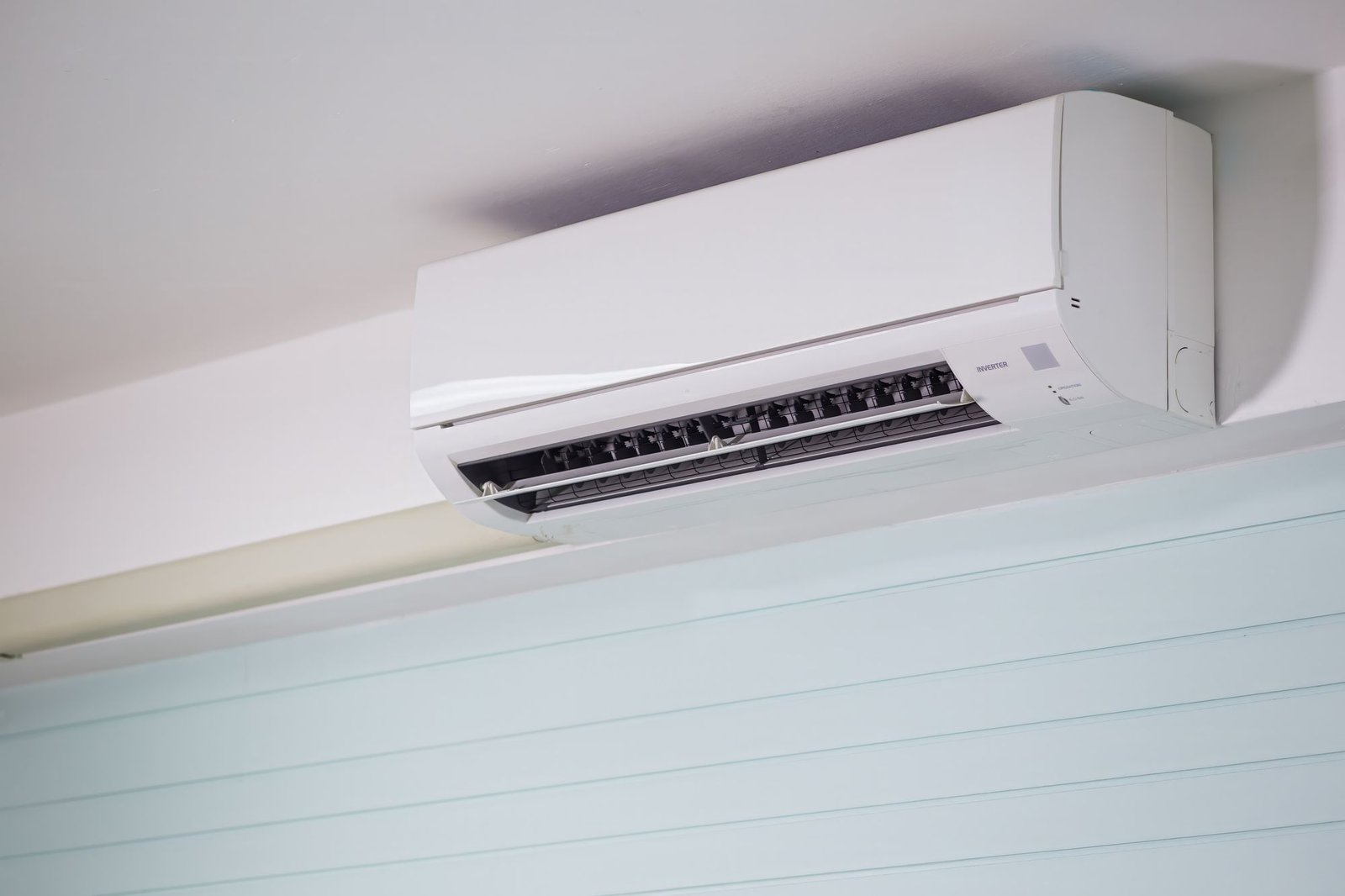
If you're comparing gree vs midea mini split systems, you might be looking at two of the biggest air conditioning makers in the world - both based in China, both selling inverter-driven ductless systems in the US, and both priced well below premium Japanese brands like Daikin or Fujitsu. Usually the choice between them comes down to three things: how well the system heats when it's cold out, how much warranty protection you actually get, and whether your local contractor knows the brand well enough to support it.
The short answer: For most US homeowners, especially in cold or mixed climates, Midea is the safer all-around pick. The EVOX line has shown more cold-climate heating performance in more places (it keeps 100% of its capacity at −4°F), and if you register the warranty you get 12 years on parts and compressor. With a competent Gree Pick Dealer behind you, Gree is a strong value play - often several thousand dollars cheaper installed - and its top models like the Sapphire can match Midea's cold-weather specs. Both of these companies are major players in the global HVAC industry, and both manufacture units under other brand names as original equipment manufacturers (OEMs), so you may run into their core technology in systems sold under different labels.
What Is Gree in Mini Splits?
Here are the main things that define Gree mini splits in 2024–2026:
-
Efficiency range. Gree's top models can hit up to a 30.5 SEER rating (the Sapphire line reaches 30.0 SEER2 / 11.2 HSPF2), while the mid-range Pular 230V gets up to 26.0 SEER2 / 10.4 HSPF2. Entry lines like the Livo R32 sit around 20.5 SEER2 / 8.8 HSPF2. When mini-splits have higher SEER ratings, they use less energy, so the spread between these numbers matters.
-
Cold-climate heating. Several Gree series - Sapphire, Pular - can run in heating mode down to −22°F. Gree's G10 inverter technology uses 60% less energy than traditional units, and many models keep putting out usable heat well into sub-zero areas.
-
Quiet operation. Gree units are known for running very quietly, with some indoor units reaching 21 dB. The Gree Clivia GWH09AUCXB is one example - it has a 2.7 kW capacity and a 19 dB noise level. Gree's Fairy model includes an I Feel remote sensor for more precise temperature control, and the Clivia series has UV-C cleaning technology and G-AI learning that changes over time.
-
Smart controls. Built-in Wi-Fi comes standard on mid-range and higher lines (Livo R32, Pular). The Gree Fairy GWH12ACC has Wi-Fi and I Feel technology. Gree also offers G-AI learning in its Clivia series that changes over time to give you automated comfort changes.
-
Warranty. Gree's standard residential warranty is 5 years parts / 7 years compressor and doesn't need registration. The 10-year parts and compressor term is only for Gree Pick Dealers and needs registration within 60 days of installation. You can get a 10-year warranty on many Gree models through this channel. If you miss the window, you keep the base 5/7 coverage - which is more easy than some other brands.
-
Reliability. Gree has a reliability rating of 9/10, backed by its in-house compressor manufacturing, which helps with long-term reliability. More than 99% of Gree air conditioners are passing inspection.
Limitations: Gree's Pick Dealer network is uneven across the US - it's strong in certain metro areas but thin in rural or remote cold-climate zones. There is also the range of specialty indoor unit styles. The range of specialty indoor unit styles (cassettes, floor-ceiling models) is smaller than what long-established Japanese brands offer. Depending on the model, Gree mini splits often support DIY installation options, but going that route can put your extended warranty coverage at risk.
What Is Midea in Mini Splits?
Key characteristics of Midea mini splits:
-
Cold-climate performance. Midea's EVOX line claims 100% heating capacity at −4°F with continuous operation down to about −22°F and a COP near 2.0 at extreme lows. These are among the best shown hyper heat numbers you'll find in this price class.
-
Efficiency. Midea's AG-ECO series gets A+++ efficiency ratings and reaches that level at higher capacities, with the AG-ECO series offering capacities from 2.5 kW to 7.1 kW. On the US ductless side, many certified models show SEER2 in the mid-to-high 20s with HSPF2 often going past 10. Some top matches hitting 12–14 HSPF2. Midea's AG-ECO series also supports voice control alongside the standard app-based control.
-
Warranty. Base coverage is 7 years compressor / 5 years parts. With proper registration within 60 days, residential original owners get 12-year coverage on both parts and compressor. Midea usually needs professional installation to make its extended warranties valid. Both Gree and Midea offer extended warranties up to 12 years with registration - Gree tops out at 10, Midea at 12.
Trade-offs: Brand recognition among homeowners lags behind Japanese brands like Carrier or Fujitsu, so that can affect how you see the quality. Model names also vary between retail and wholesale channels. That makes comparing quotes confusing - the same outdoor unit might show up under different codes depending on where you're buying it.
How Gree vs Midea Mini Splits Compare
| Factor | Gree | Midea |
|---|---|---|
| Best for | Budget-conscious homeowners with access to a reliable, trained Gree installer; moderate climates where extreme cold performance is secondary | Cold or mixed climates; homeowners who want documented low-temp capability, strong warranty, and broad parts access |
| Typical single-zone installed cost (9k–12k BTU) | \~$4,000–$7,000 | \~$5,500–$8,500 |
| Efficiency (cold-climate series) | SEER2 \~25–30, HSPF2 \~10–11 on top lines; mid-range \~20–21 SEER2, \~8.5–9 HSPF2 | SEER2 mid-20s to low 30s; HSPF2 \~10–14 on cold-rated pairings |
| Cold-climate heating | Sapphire/Pular: heating to −22°F; 100% capacity at various points depending on model | EVOX: 100% capacity at −4°F; continuous to −22°F; COP \~2.0 at low temps |
| Warranty | 5 yr parts / 7 yr compressor (no registration); 10/10 with Select Dealer + 60-day registration | 5 yr parts / 7 yr compressor base; 12/12 with 60-day registration |
| Dealer/installer network | Good in some metros; thinner in rural/remote cold zones | Broad through wholesalers and OEM partners; generally easier to find trained contractors |
| Smart controls | Built-in Wi-Fi on mid/high lines; I-Feel sensing, voice control on select models | Wi-Fi standard across entire range; app control, remote diagnostics on many models |
The single takeaway: Midea offers more safety in cold weather, better warranty leverage, and easier parts access. Gree shines when upfront money is tight and a skilled local dealer is available to handle installation and service.
Decisive Factor #1: Heating Performance in Real-World Climates
Here's how the two brands are compared head-to-head:
- Gree cold-climate models like the Sapphire and Pular 230V can run in heating mode down to −22°F. Some Sapphire R32 units maintain full rated capacity deep into sub-zero areas. However, the exact "100% capacity" point varies quite a bit by series - a Gree multi-zone outdoor unit may deliver only ~72% capacity at 5°F with certain indoor matches. Because Gree systems are moving to R32 refrigerant for better efficiency and heat transfer at low ambient temperatures, the newer lines get a boost.
By climate zone, the differences play out differently:
Defrost behavior is less shown in public for either brand, but Gree's higher lines market "intelligent defrost" logic, and Midea focuses on stable COP at low temperatures, and that implies cleaner defrost cycling. Forum reports from homeowners often cite better performance from the EVOX in −5°F to 0°F weather.
Decisive Factor #2: Warranty, Registration Rules & Long-Term Risk
Mini splits aren't cheap to repair. Inverter boards, compressors and control electronics can cost $800–$2,000+ in parts alone, not including labor. A system that fails in year six with no warranty leaves you with a bad bill. That makes warranty terms a real financial factor, not just marketing window dressing.
Gree warranty details:
-
Standard residential warranty: 5 years parts / 7 years compressor. No registration is needed for this base term - it applies automatically.
-
Extended warranty: 10 years parts and compressor, available only when the unit is installed by a Gree Pick Dealer and registered within 60 days of installation. If you miss the 60-day window, you fall back to the standard 5/7 term.
Compared to Midea's base 7-year compressor term, Gree offers a 10-year warranty - but the extended terms tell a different story.
Midea warranty details:
-
Extended warranty: 12 years on both parts and compressor when the system is properly registered within 60 days of installation for the original residential owner. You get reduced terms if you are a subsequent owner.
-
Midea usually needs professional installation to make its extended warranties valid, and warranty service runs through authorized distributors and dealers.
For context on how other brands handle this: Klimaire needs registration within 45 days of buy. Unregistered ductless mini splits drop to a 1-year parts and compressor base warranty, versus 5 years parts / 7 years compressor when registered. That's a big price for missing paperwork - and it shows why Gree's no-registration base term of 5/7 is actually quite easy by industry standards.
-
A longer warranty on parts and compressor directly shifts long-term financial risk off your shoulders. Even if failure rates are similar between both gree and Midea equipment, having coverage in year 8 or 10 is worth real money.
-
Sold at reasonable price points, Gree mini-split systems give you a base 5/7 warranty that provides a safety net many brands don't match.
Winner: Midea - for its up-to-12-year coverage when properly registered, although Gree's base 5/7 warranty is more easy if paperwork falls through.
Decisive Factor #3: Installed Cost & Operating Efficiency
When you look at the real cost of a mini split, it isn't just the equipment price tag - it's installed cost plus 10–15 years of electricity and maintenance. A system that costs $1,500 less up front but runs 25% less efficiently in heating mode can easily cost more over its lifetime in a cold climate. Compared to traditional central AC and heating solutions, ductless mini-splits can save up to 34% on energy costs, so the efficiency gap between specific models matters.
-
Small multi-zone (2–3 indoor heads): Both brands generally land in the $10,000–$20,000+ range installed, depending on region, line set length and indoor head types. In multi-zone projects where labor is the biggest factor, the cost effective advantage of either brand gets smaller.
-
Vs. premium Japanese brands: Both Gree and Midea tend to run ~20–40% below top Japanese matches for similar heating performance, making them attractive to homeowners who are weighing money against brand name.
-
Gree top cold-climate lines: SEER2 ~25–30, HSPF2 ~10–11+. Mid-range Gree lines are at ~20–21 SEER2, ~8.5–9.0 HSPF2.
-
Midea top lines: SEER2 mid-to-high 20s. HSPF2 is often 10–14 in cold-rated AHRI-certified pairings. That HSPF2 edge translates directly to lower energy consumption in heating-dominant climates.
For a home using a mini split as primary heat (~2,000 heating hours/year), moving from HSPF2 8 to HSPF2 11 can reduce heating bills by about 25–30%. That kind of efficiency difference can wipe out the higher upfront cost of Midea's premium lines over several years, especially when you factor in rebates.
Decisive Factor #4: Availability, Support & Installer Network
Gree availability and support:
-
Parts support depends on the Pick Dealer network. Warranty parts supply is generally enough, but waiting for specialty control boards or rare indoor units can stretch wait times in regions with thin dealer coverage.
-
Depending on the model, Gree mini splits often support DIY installation options. That appeals to handy homeowners but can put warranty coverage at risk.
-
Midea's scale as one of the world's leading HVAC manufacturers means its equipment is widely stocked through national wholesalers, OEM relationships and certain national retailers. Because many contractors already work with Midea or its badged matches under other brands, finding a trained installer is generally easy for you.
-
Technical literature, diagnostic tools and warranty registration systems are standardized. Parts for outdoor unit compressors, PCBs and common components tend to be more readily available. That reduces repair downtime.
Decisive Factor #5: Future-Proofing, Refrigerants & Regulations
-
Since January 1, 2023, split-system heat pumps sold in the US must meet at least 14.3 SEER2 and 7.5 HSPF2 across the country. Both Gree and Midea current lines are in comfortable compliance.
-
EPA's May 2026 reconsideration rule removed the January 1, 2026 installation deadline for R-410A split systems built before 2025, pointing to stranded inventory. EPA now lists no installation compliance date for residential split systems whose components were all made or brought in before January 1, 2025, so leftover R-410A equipment from either brand can still be installed legally.
-
The wider phase-down of high-GWP refrigerants is underway. Many models from both brands are shifting toward lower-GWP options like R-32 or R-454B.
-
Gree has adopted R-32 in many newer single-zone and multi-zone models (Livo R32, Pular, Sapphire). Gree systems are also reducing environmental impact by moving to R32 refrigerant for better efficiency and improved heat transfer. This matches where regulations and incentive programs are heading.
-
Installing an R-410A system now isn't illegal and won't be for years - but service refrigerant may become more expensive over time as production limits tighten.
-
Newer low-GWP systems (R-32, R-454B) will increasingly match up with incentive programs, evolving building codes and technician training. Asking your contractor whether the quoted Gree or Midea system is current-generation or "old stock" R-410A is a smart move that can affect long-term costs.
Which Gree vs Midea Mini Split Should You Choose?
Both Gree and Midea are solid, mid-priced mini split brands that beat many budget ductless systems while costing a lot less than premium Japanese alternatives. Comparing Gree and Midea across the factors that actually drive long-term satisfaction - heating performance, warranty, installed cost, support and future-proofing - Midea leads on most fronts, but Gree holds real advantages in specific situations.
-
Choose Gree if:
-
Your installer is a long-time Gree dealer - ideally a Gree Pick Dealer offering the 10/10 warranty - and can show you successful local installs of the specific model you're considering.
-
Choose Midea if:
-
You value a long, clearly shown 12-year parts and compressor warranty and are comfortable handling the 60-day registration requirement (or having your contractor do it).
Frequently Asked Questions About Gree vs Midea Mini Splits
Which Is More Reliable Long-Term, Gree or Midea?
Both are among the largest air conditioning manufacturers in the world with solid track records when equipment is installed correctly. Gree has a reliability rating of 9/10, backed by its in-house compressor manufacturing, while Midea has a reliability rating of 7.5/10. However, real-world reliability is often a reflection of the quality of the install and local service availability more than the brand badge. Longer warranty terms - Midea's 12-year or Gree's 10/10 through Pick Dealers - shift financial risk but don't warranty fewer failures.
Are Gree and Midea Mini Splits Good for Whole-Home Heating?
Both can serve as primary heat in many climates if you choose the right cold-climate models and size the system correctly. In very cold regions (regularly below −10°F), Midea's shown low-temperature capacity on the EVOX line may make it a safer default. A well-specified Gree cold-climate system (Sapphire or Pular) can also perform well, especially when installed by a contractor experienced with those specific models. Either way, proper sizing to your space and climate is non-negotiable.
Is It Safe to Buy Gree or Midea Mini Splits Online and Have a Local Installer Put Them In?
It's possible but comes with trade-offs. You may save on equipment cost, but many manufacturers - including both Gree and Midea - tie full warranty coverage to installation by an authorized or licensed contractor. Is it hard for you to find a contractor willing to install "owner-supplied" equipment? It can be difficult, and if something goes wrong during install, responsibility gets unclear for you. Always confirm written warranty terms, verify that your installer is authorized by the brand, and ensure your documentation (bill of sale, install date, registration) will satisfy the manufacturer's requirements.
Will Buying R-410A Equipment from Gree or Midea Now Cause Problems with Future Regulations?
Not immediately. EPA's May 2026 reconsideration rule removed the January 1, 2026 installation deadline for R-410A split systems built before 2025, pointing to stranded inventory. Components manufactured or brought in before January 1, 2025 can still be sold and installed with no current compliance deadline. Homeowners who install R-410A systems now will be able to service them for many years - refrigerant phase-downs affect production quantity, not the immediate legality of use. If long-term environmental alignment or incentive eligibility matters to you, ask your contractor about current-generation low-GWP options from either brand, such as models using R-32.