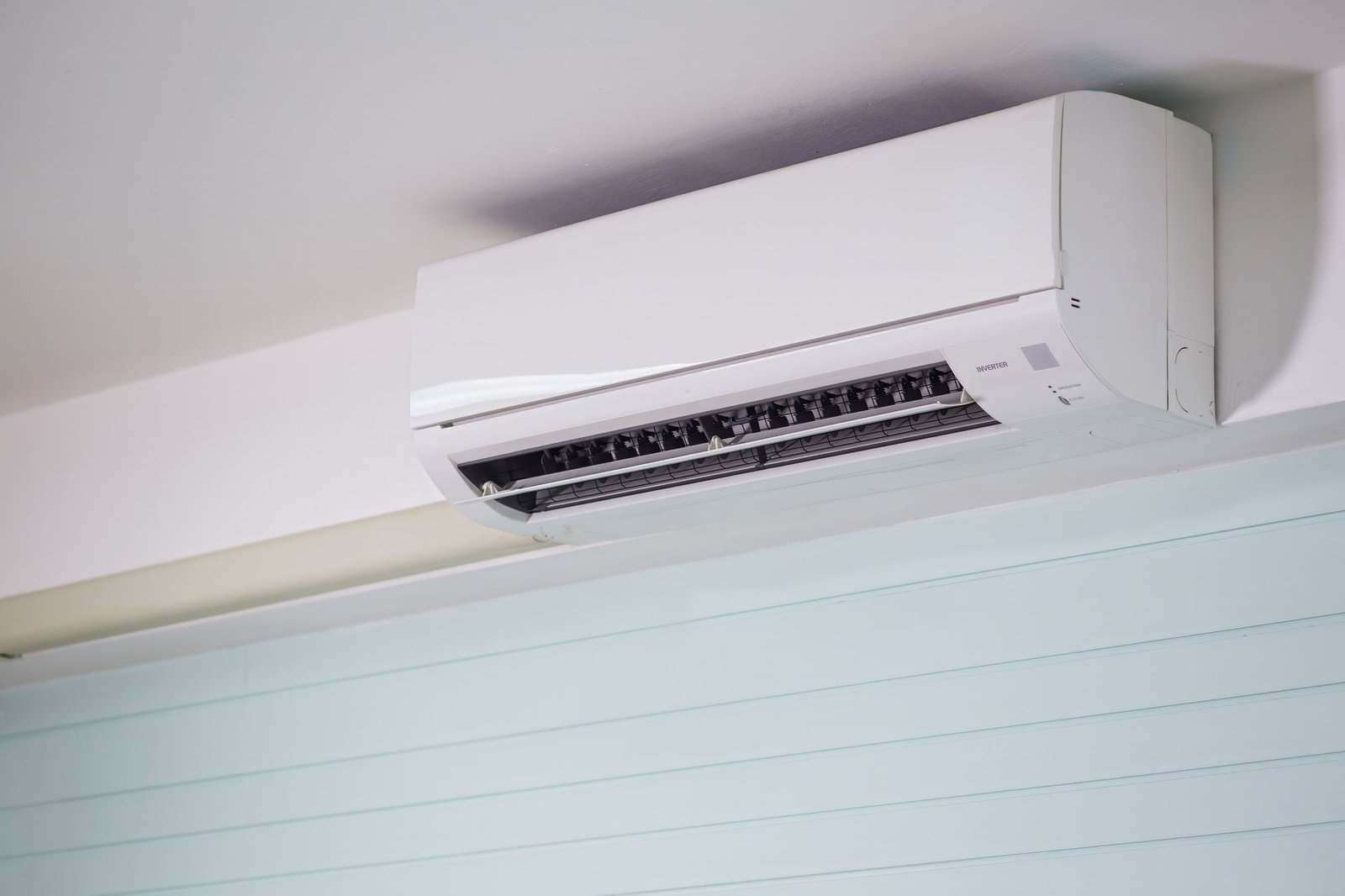
A gree vs daikin mini split comparison can really come down to what you value most: do you want to save money upfront, or do you want solid backing over the long haul? Both brands make capable ductless mini-split systems that work fine in homes, and neither one is better than the other across the board. But each leans hard in a different direction, and understanding that lean can save you money, frustration or both.
The short answer: If you are putting in a single-zone system in a main living area and plan to stay put for a decade or more, Daikin is probably the stronger overall pick. It has a 12-year parts warranty, a large dealer network and conservative-but-reliable efficiency ratings that make it the safer long-term bet. But if you are working with a tighter budget, especially for a garage, sunroom, bonus room or cabin, Gree mini splits deliver specs that are often better in terms of efficiency numbers and a wider operating range, for a lot less money. That is, if you can find a qualified installer.
What Is Gree in Mini Splits?
Defining traits:
-
Value pricing. Gree often sells for less than premium brands, so it is easier to afford mini splits that have high efficiency for secondary spaces and whole-home ductless projects.
-
Very wide operating range. Some Gree cold-climate models heat down to −22°F (that's −30°C). That is lower than most competitors that sell for the same price.
-
Strong efficiency numbers. On high-end models, Gree can hit SEER ratings above 25, and its top-tier lines have a heating efficiency (HSPF) of 10.5.
-
Growing but uneven U.S. support. Gree's dealer network and parts availability are getting better, but they still vary by region, so you might wait longer for service in some areas.
What Is Daikin in Mini Splits?
Daikin is a Japanese brand and a global HVAC leader, and it has been in the U.S. ductless market for decades. It is viewed as a top company in the industry for new ideas, and the single-zone ductless families that matter for American homes are the Aurora (cold-climate R-32 units), the 19 Series, and the LV Series. All of them are heat pumps with strong cooling and heating capability.
Core traits:
-
Industry-leading warranty. For many residential single-zone ductless lines, Daikin gives you 12 years on parts as long as a licensed dealer installs it and you register online within 60 days.
-
There is broad parts availability and a deep dealer network. There are contractors who know how to diagnose, commission and source OEM parts for Daikin, since the company has been selling in the U.S. for decades.
-
Conservative efficiency claims. Daikin's systems have a heating efficiency (HSPF) of 10.0 and SEER2 ratings that are solid but not pushed too high. What you see on the spec sheet is close to what you actually get.
-
Higher upfront price. Daikin units cost more to buy and install, but many homeowners feel the extra money pays back through quieter operation, better control and fewer surprises down the road.
Gree vs Daikin Mini Split: Quick Look
Below is a quick comparison for a typical 1-ton (9–12 kBTU) single-zone heat pump, the kind you'd put in a bedroom, home office or bonus room. Both brands use advanced variable-speed inverter technology for efficiency across their product lines.
| Factor | Gree (e.g., Pular 230V, 12 kBTU) | Daikin (e.g., Aurora R-32, 12 kBTU) |
|---|---|---|
| Best for | Budget-conscious homeowners who want high efficiency and cold-weather power | Homeowners who prioritize long warranty, dealer support, and brand reliability |
| Typical installed price (U.S.) | Mid-$3,000s to low $4,000s | $4,500–$6,000+ |
| Efficiency (SEER2 / HSPF2) | \~26.0 SEER2 / \~10.4 HSPF2 | \~20–21 SEER2 / \~10.2 HSPF2 |
| Low-temp heating capability | Rated to −22°F on cold-climate models | Rated to −13°F continuous on Aurora models |
| Warranty (properly installed) | 5 yr parts / 7 yr compressor standard; 10/10 via Select Dealer + registration | 12-year parts when registered within 60 days via licensed dealer |
| Support / parts availability | Growing network; some regional gaps | Mature, deep network; broad OEM parts access |
The pattern is clear: Gree wins on sticker price and raw operating range options, while Daikin wins on warranty coverage, dealer backing, and ecosystem polish.
Decisive Factor 1: Upfront Cost and Total Value
In Canada, a common single-zone installed setup for Gree systems usually runs $5,400–$5,700 CAD, while similar configurations for Daikin systems generally fall between $7,000–$8,000 CAD. In the U.S., a 1-ton Gree unit often installs in the mid-$3,000s to low $4,000s with standard line sets and average labor, while a Daikin Aurora cold-climate unit can push toward $4,500–$6,000 installed depending on line-run length and how tricky the site is. Across most size categories, Gree mini splits are priced lower than Daikin. That gap holds or gets wider with multi-zone systems.
But "value" and "price" aren't the same thing. Your total cost of ownership over 10–15 years can come down with Daikin's longer warranty (12 years vs. Gree's 5/7 standard), deeper parts availability, and wider contractor experience. If a condenser board fails in year 8, a Daikin owner has warranty coverage and a local supplier with the part on the shelf. A Gree owner without Pick Dealer coverage is paying out of pocket, and might wait longer for the part depending on where they live.
-
When Gree's lower price is the clear win: Shorter planned ownership, sheds and garages, secondary spaces like a warehouse office or sunroom, or any situation where the budget simply won't stretch to Daikin pricing.
-
When paying more for Daikin makes sense: Primary living areas, hard-to-access wall installations where future service is expensive, and homes where you plan to stay 10+ years.
Winner: Gree on upfront cost. Gree usually installs for a lot less money, and higher SEER ratings can cut your electricity bills a lot over time. But Daikin may give you better long-term security if you value warranty coverage and parts access more than day-one savings.
Decisive Factor 2: Efficiency and Operating Range
Both Gree and Daikin use inverter-driven compressors with variable-speed technology that ramp output up and down to match the load. That is why ductless mini splits are generally more efficient than traditional ducted air conditioning. The Pular 230V line is one example of Gree mini splits that often rank high in energy efficiency, hitting about 26.0 SEER2 and 10.4 HSPF2 in the 12K size, while the Sapphire R32 pushes to 30.0 SEER2 and 11.2 HSPF2. That is among the highest numbers in the residential market. Gree's inverter technology gives better partial-load efficiency. That matters in mild seasons between summer and winter when the system runs at low power for hours.
By comparison, Daikin's Aurora wall-mount cold-climate unit is rated around 21 SEER2 and 10.2 HSPF2. Those are strong numbers, well above the federal lowest levels (since January 1, 2023, split-system central air conditioners must meet 13.4 SEER2 in the North and 14.3 SEER2 for units under 45,000 Btu/h in the Southeast and Southwest), but lower than Gree's top-tier offerings. It's worth noting that Daikin's specs tend to be careful and low. Real-world performance often tracks close to the rated numbers, so there are fewer surprises.
Where it gets interesting is cold-climate performance. Gree units are often known for high efficiency and doing well in extreme temperatures, and they keep heating down to −22°F on the Pular and Sapphire cold-climate models, with a COP of about 2.0 at 5°F. Daikin's specialized low-ambient units also do very well in cold climates, but the Aurora's heating range is rated to −13°F continuous. Both can meet ENERGY STAR Cold Climate heat pump standard, but Gree gives you more room for the coldest nights.
-
Where Gree's broad operating range matters: Mountain areas, the upper Midwest, northern New England. Anywhere temps regularly drop below −15°F and you want to cut back on backup heat.
-
Where Daikin's balanced efficiency is more than enough: Most of the South, the Mid-Atlantic and the coastal West, where temps rarely fall below 0°F and good performance at moderate cold matters more than extreme-low specs.
Winner: Tie, with a tilt depending on climate. Gree pushes colder spec limits and posts higher peak efficiency numbers. Daikin offers highly efficient, careful designs that deliver consistent comfort in most U.S. climates. If you live where it regularly hits −20°F, Gree's cold-rated models give you more room. In moderate climates, Daikin's better efficiency at typical operating temps and tighter controls integration may give you an equally comfortable experience with fewer variables.
Decisive Factor 3: Warranty, Dealer Network and Support
Warranty and support matter more for mini splits than a lot of homeowners realize. These systems are expected to last 10–15 years, they use specialized refrigerant circuits and control boards. They need qualified service when something goes wrong. The brand with better backing often costs less to own over a full lifespan.
Daikin warranty specifics: Daikin's single-zone ductless lines (19 Series, LV Series) come with a 12-year parts limited warranty when you register online within 60 days of installation. That coverage is comprehensive protection on compressors. But Daikin offers no warranty on equipment bought by consumers over the internet unless a dealer installs it following federal, state and local codes and licensing requirements. This is a strict policy that punishes online buying shortcuts.
Gree warranty specifics: GREE's standard residential warranty is 5 years parts / 7 years compressor and doesn't need registration. Gree does offer 10 years on parts, but that 10-year parts and compressor term is only for GREE Pick Dealers and needs registration within 60 days of installation. With certified dealer installation, Gree's warranty may extend, but finding a Pick Dealer can be harder in some regions.
From our experience, we'd stress how closely homeowners should follow the needed registration and installation rules to actually get the long warranties from either brand. Installation by certified technicians is necessary for warranty coverage on both. Skip it and you could be stuck paying out of pocket for repairs on a system that should have been covered.
Winner: Daikin is the pick because of the longer, simpler main warranty (12 years vs. 5/7 standard for Gree) and a deeper dealer network that makes claims and service more simple. Gree's upgraded 10/10 coverage through Pick Dealers is strong where you can get it, but getting to it needs more homework on the homeowner's part.
Decisive Factor 4: Features, Controls and Everyday Experience
Noise: Both brands run quiet on their higher-end models. Daikin's Aurora indoor units can get down to ~19 dB(A) at the lowest fan speed - basically inaudible in a bedroom. Gree's Pular 230V indoor units sit around 20–41 dB(A) depending on fan speed and mode, which is still very quiet at low settings. At higher fan speeds, both brands produce a noticeable whoosh, but neither one is disruptive in a typical room.
Which Gree vs Daikin Mini Split Should You Choose?
-
Choose Gree mini splits if:
-
You care more about a lower installed price than brand name recognition.
-
You need strong low-temperature heating performance on a budget, for example a cabin, detached garage or space in a cold region.
-
You have access to a reputable contractor who knows Gree, or a Gree Pick Dealer who can get you the 10/10 warranty.
-
Choose a Daikin mini split if:
-
You're planning to stay in the home at least 10–15 years and care about warranty support and reliability.
-
You want a widely supported brand with strong parts availability and deep dealer coverage.
-
You prefer a "set it and forget it" system with a polished, manufacturer-controlled controls system.
For you as an average homeowner making a long-term investment in a primary living space, Daikin is the safer pick. The warranty, support and build quality simply reduce risk over a decade-plus ownership period. If your budget is tight or your climate demands extreme cold performance that Daikin's product line doesn't quite match, Gree absolutely deserves consideration. Proper sizing is crucial for both Gree and Daikin units, and expert installation prevents issues like hot spots and short cycling. In our experience, professional installation quality often matters more than brand once you're choosing between two solid manufacturers.
FAQs About Gree vs Daikin Mini Splits
Which Brand Has the Better Mini Split Warranty?
Daikin provides a 12-year warranty on parts for its single-zone ductless lines (19 Series, LV Series) when you register online within 60 days of installation by a licensed dealer. With no registration needed, Gree's standard residential warranty is 5 years parts / 7 years compressor. The 10-year parts and compressor coverage is only for Gree Pick Dealers and needs 60-day registration. If you buy equipment online and skip registration, both brands' extended warranty coverage falls away. For any warranty on internet-purchased equipment, Daikin needs dealer installation.
Can You Buy a Gree or Daikin Mini Split Online?
For equipment bought by consumers over the internet, Daikin offers no warranty unless a dealer installs it following federal, state and local codes and licensing requirements. Through authorized sellers and installation by Pick Dealers, Gree's extended warranties need buying. Many reputable HVAC contractors avoid installing owner-purchased equipment because it makes warranty claims and liability harder. Our advice is to buy through the installing contractor so you preserve warranty coverage and get proper commissioning. Note that Gree units need 12 inches clearance from walls during installation, while Daikin recommends 15 inches clearance from walls. These are details an experienced installer will handle correctly but a DIY setup that you put in might miss.
Do Gree and Daikin Mini Splits Qualify for Rebates?
Whether you can get federal incentives (like IRA credits), state program, and utility rebates depends on the specific model's efficiency ratings (SEER2, HSPF2) and local program rules, not the brand name. Both Gree and Daikin have models that meet or exceed common lows, especially their higher-efficiency and cold-climate lines. Higher SEER ratings cut electricity bills a lot and are more likely to qualify for rebates. That can narrow the price gap between the two brands. Always verify the exact model number and its AHRI certification against your local program requirements before you buy.