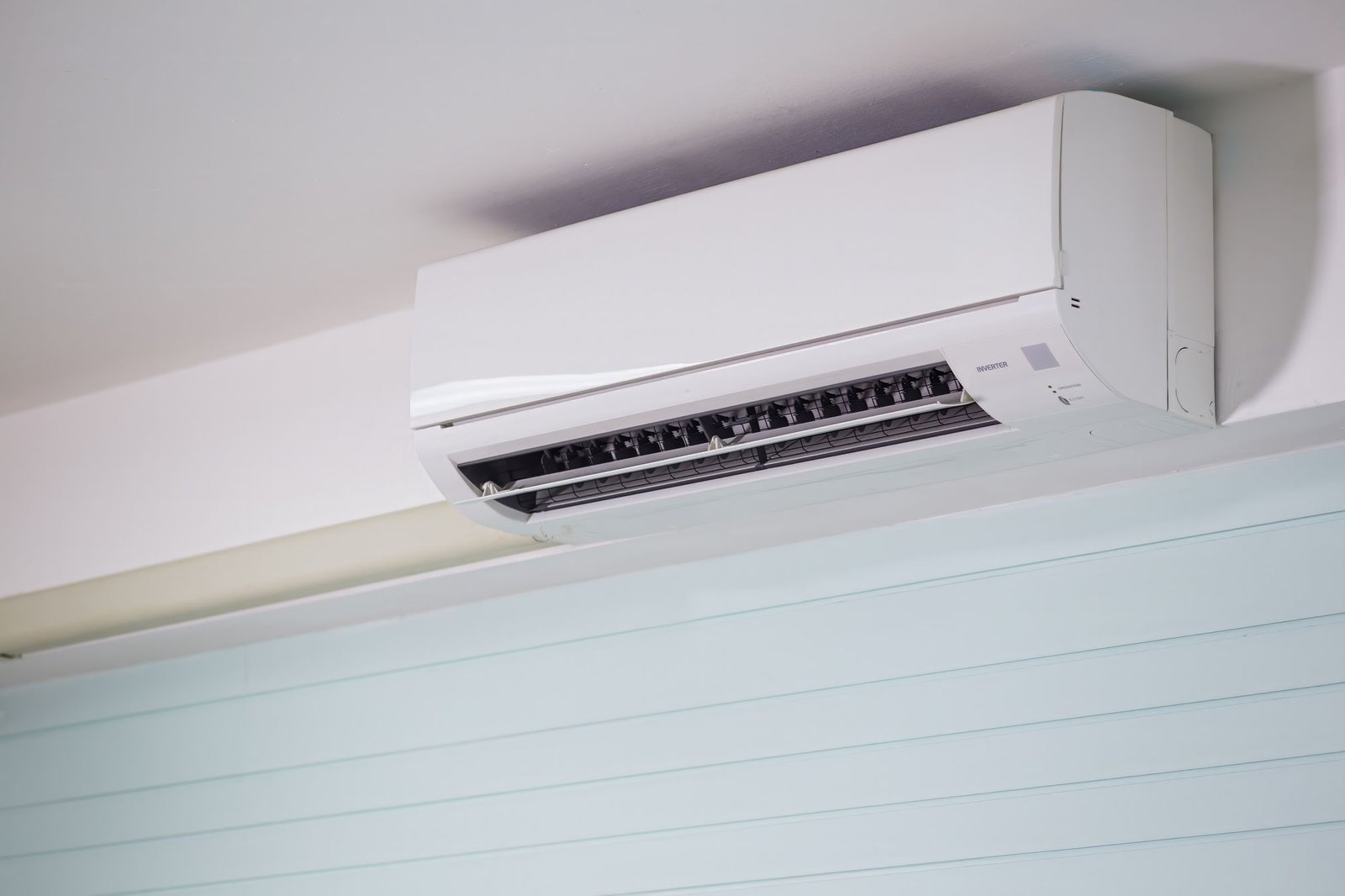
Are chinese mini split brands good? They've flooded the North American market over the past few years, and it's getting harder to tell which ones are worth the savings and which ones will have you calling an HVAC guy six months after you put them in. We put together this guide to help you sort through the noise and decide whether a Chinese mini split fits in your house, or whether spending more on a name brand might make better sense for your situation.
What to Know First
-
Many Chinese mini split brands offer solid value and competitive energy efficiency for the price, but support networks, warranty coverage and long-term reliability are generally worse than what you get from Mitsubishi Electric, Daikin and Fujitsu.
-
Well-known Chinese manufacturers like Gree and Midea build equipment for other labels, including some "American" brands, so the real question is usually about installer access, spare parts and warranty terms rather than basic hardware quality.
-
Over the last decade, Chinese manufacturers have put a lot of money into research and development and into making their factories more efficient, and modern Chinese mini splits often get SEER2 ratings between 17 and over 26.
-
It's a good idea to weigh the cost, how reliable it is, whether you can find an installer, and what the warranty says before you recommend any mini split brand, Chinese or otherwise.
Are Chinese Mini Split Brands Actually Good?
- The biggest differences may not be the compressor or the air handlers themselves. The thing that separates a good experience from a frustrating one is how well the quality is controlled, whether you can get spare parts, and how strong the local installer networks and warranties are.
What Counts as a "Chinese Mini Split Brand" in 2026?
-
"Chinese mini" usually refers to lower-priced ductless heat pumps that are sold online with 5–7 year compressor warranties and limited local support. Many US and European brands are getting hardware from Chinese OEMs and packaging it under their own labels.
-
For example, Senville's LETO series comes from a Chinese OEM but is sold under a Canadian label with its own warranty terms and support line. In the same way, some Carrier mini splits and Rheem ductless systems might use Midea or Gree hardware under the hood.
How Chinese Mini Splits Compare on Cost
-
For equipment that you buy online, Chinese single-zone 12,000 BTU mini splits often land around $600–$1,200, compared with $1,200–$2,000+ for premium Japanese units before you pay for installation. Chinese mini split brands often cost 30% to 50% less than equivalent Japanese units. A single-zone mini-split system usually costs $1,200 to $5,500 installed depending on the brand and how complex the job is, while a whole-house mini-split system with multiple indoor units connected to one outdoor unit can cost around $17,000.
-
Lower upfront cost can be offset if the seer rating is lower or if the split system needs replacement after 7–10 years versus 15–20 years for higher-end brands. Typical installation costs range from $3,000 to $5,000 regardless of brand, so the equipment savings may be smaller than they appear once you factor in labor.
-
Zoned mini splits reduced household energy bills by 22% in 2024. But over 10–15 years in a humid climate like Southern California or the Gulf Coast, slightly lower energy efficiency from a budget unit could cost you a few hundred dollars more in energy use compared with a top-tier heat pump. That would partially eat away at the cost savings from buying cheaper equipment.
Chinese Mini Splits vs Mitsubishi on Reliability
-
Some Chinese mini splits run quietly at sound levels down to 16–22 dB when they are new. That is competitive with Mitsubishi units. The concern is whether that quiet operation holds up over time.
-
Homeowner reviews of the Gree Vireo line and the Senville LETO series often balance "cools great for the price" with reports about support challenges, slow parts, unclear warranty processes and difficulty finding a local tech who will work on an off-brand system.
Performance in Cold and Humid Climates
-
Many Chinese mini split heat pumps are rated to heat down to about 5°F to 14°F, but the capacity often drops fast below freezing. Older mini splits can struggle in freezing conditions below 5°F, and even newer budget models lose 30–50% of their rated output in that range. That makes them better for fall and spring and mild winters.
-
In humid climates, the Gulf Coast, the Southeast and humid summers along the mid-Atlantic, decent Chinese mini split systems can cool effectively but may short-cycle if they are oversized, leaving individual rooms cool but damp. Daikin is ideal for hot, humid climates with SEER ratings up to 27.4. For keeping humidity levels under control, getting the size right and using low fan settings matter more than the brand.
SEER2 and HSPF2 in Chinese Mini Splits
-
For comparison, LG's ARTCOOL Deluxe models KSSAL091A and KSSAL121A are rated at 27 and 25.5 SEER2. LG mini splits have SEER2 ratings between 25.5 and 27. Daikin mini splits achieve SEER ratings up to 30.5. The Fujitsu Altair 500 Series has SEER2 ratings between 21 and 26. Top Mitsubishi Electric and Fujitsu systems can reach above 30 SEER2 in small sizes.
-
Senville's LETO series delivers 21.2 to 21.3 SEER2 with an HSPF2 around 8.7, efficient on paper and competitive with some mid-tier Japanese models. The Gree Vireo R32 line reaches SEER2 up to 26 in certain configurations.
Warranty Length and What It Really Means
Warranty terms are one of the biggest differences between Chinese mini split brands and companies like Mitsubishi Electric or Fujitsu systems. Extended warranties on Chinese mini split systems usually last 5 to 7 years. That is shorter than what the major brands offer.
-
Typical Chinese mini split warranties run about 5 years on parts and 5–7 years on compressors. Chinese brands like Gree and Midea offer lower prices but shorter warranties. Senville's LETO warranty needs licensed professional installation and a written record of a line-set vacuum to prove coverage, and labor is not included.
-
Premium brands offer more. Daikin has a 12-year parts warranty for its mini splits. Mitsubishi Electric and Fujitsu commonly provide 10–12 years on compressors and parts when systems are installed and registered by certified contractors.
-
Shorter warranties can signal lower expected lifespan or worse local support networks willing to honor long-term promises. If the compressor in a budget Chinese unit dies at year 6 and the warranty is only 5 years, replacement cost can approach or exceed the original equipment price.
-
Check who actually handles warranty claims, whether it's an online seller, dealer or manufacturer, and how replacement parts are shipped and installed. Local parts availability for Chinese brands can be inconsistent compared to Japanese brands.
-
We consider warranty coverage strength and how clear the terms are a core factor when deciding if a Chinese mini split brand is a safe bet for whole-home or primary heating.
Installer Networks and After-Sales Support
-
Japanese brands are often preferred for their strong dealer networks and service availability. Mitsubishi Electric and Daikin maintain large authorized contractor networks across North America. That makes installation, warranty registration and repairs easier.
-
U.S.-based labels that get Chinese equipment, Senville, Pioneer and Cooper & Hunter, have improved tech support and documentation, but still fall short of the training and parts pipelines behind Mitsubishi Electric. A 2026 industry comparison rated Chinese brands around 3 out of 5 stars for service networks, behind Japanese and Korean competitors.
-
We've heard from readers whose HVAC guy refused to install a system that was purchased from an unknown online brand, pointing to potential warranty headaches and lack of spare parts. Another common scenario is that a homeowner buys a Pioneer unit online, then can't find a local contractor who is willing to commission and warranty-register it.
DIY-Friendly Chinese Mini Splits vs Pro-Only Systems
Chinese mini split brands often compete by pushing DIY installation, while big Japanese brands usually need professional installation. The appeal of doing it yourself is obvious, you can save $1,000 or more on labor. DIY mini-split systems can start at $1,000 for hardware alone.
-
Even "DIY" ductless systems still require electrical work, wall drilling and sometimes permits. Installation complexity can increase costs due to electrical upgrades. Incorrect installation can cause refrigerant leaks, poor performance or warranty denial, and you'll still need specialized tools like a torque wrench and potentially a vacuum pump to do it right.
-
Mr Cool is a DIY brand, though not all of its lines are Chinese-manufactured. MRCOOL's DIY Pick manual clearly states that its quick-connect fittings are designed for one-time installation only, putting them back in cancels the warranty, and refrigerant loss from dirty connectors is not covered. That's clear documentation. Many generic Chinese mini split brands have manuals that are unclear on putting things back in, leak tests and commissioning procedures.
-
Our view is that DIY can make sense for skilled homeowners on small projects, a garage, a workshop or a space where you can accept some risk. But for most people, professional installation is still the best way to get the efficiency and lifespan you're paying for. Mini splits usually cost between $3,000 and $5,000 to install. That money buys peace of mind.
Hidden Differences in Refrigerants and Future Regulations
-
Many current Chinese mini splits and established brands still use R-410A. It is a blend of R-32 and R-125 with relatively high global heating potential. Newer systems have started shifting to R-32 or R-454B. R-32 is a single compound, while R-454B is a blend of R-32 and R-1234yf.
-
The U.S. AIM Act's HFC phasedown schedules are 60% of the starting level for 2024–2028, 30% for 2029–2033, 20% for 2034–2035, and 15% from 2036 on. Over a mini split's life, this may push R-410A prices up and make servicing older units more expensive.
-
Ask your installer which refrigerant is used and how that brand plans to handle the AIM Act transition. A system that's efficient and affordable today could become expensive to maintain if its refrigerant lines need a top-up in 2032 and R-410A costs three times what it does now.
Chinese Mini Split Brands in North America
-
Gree - One of the world's largest mini split manufacturers. Sells under its own name, the Vireo series is their best-known residential line, and builds equipment for other labels. Solid value, moderate warranties with 7-year compressor and 5-year parts on many models, but dealer networks outside large cities are patchy. Major brands in the Chinese mini split market include Gree and Midea.
-
Haier, AUX, TCL, Hisense - Large Chinese electronics and appliance makers whose mini splits may appear under their own or house-brand labels. Support often depends on the specific importer. Haier offers 5-year indoor unit and 7-year compressor warranties on some models, extendable to 10 years with registration.
-
Senville, Pioneer, Cooper & Hunter - North American label brands sourcing from Chinese OEMs. Their documentation, support and warranty terms can be clearer than buying from an unknown factory directly. Senville's LETO is known for budget efficiency, and Pioneer targets cost-conscious buyers who want Wi-Fi and Google Assistant or Apple HomeKit compatibility.
Regional Codes for Chinese Mini Splits
U.S. regional efficiency standards and local building codes can limit which mini split systems brought in from other countries are legally allowed to be installed in your area. This can catch you off guard.
-
Some low-cost Chinese mini split units brought in from other countries may lack AHRI-certified combinations. That makes permits, inspections and tax credits harder or impossible to obtain. No AHRI listing often means no Energy Star certification, either.
-
In strict areas like California and Northeast states, sticking with well-documented brands can help you avoid headaches even if the Chinese hardware itself is technically efficient enough. An EPA license may be needed for refrigerant handling, and inspectors may look at labels they don't recognize more closely.
When a Chinese Mini Split Makes Sense
-
Chinese mini splits may offer reliable performance for secondary uses such as garages and workshops. Ideal use cases are seasonal cabins, garages and workshops, bonus rooms, server closets and short-term stays where cost control matters more than 20-year longevity, plus cooling-focused projects in warm climates.
-
For these uses, a reasonably efficient Chinese mini split brand with a 5–7 year warranty can be a smart, budget-friendly choice. If you already have a furnace or boiler handling deep-winter heating, using a Chinese mini split mainly for fall and spring and summer is lower risk.
-
Even when buying budget Chinese equipment, professional installation can protect efficiency, help you comply with codes, and avoid early failures that eat into your cost savings.
Avoiding the Cheapest Chinese Mini Split Brands
-
Steer clear of units brought in from other countries with no clear U.S. contact address, unclear warranties or no AHRI listing, even if the price looks too good to pass up.
-
If you check all three of these boxes, skip the off-brand Chinese mini split: (1) you live in a climate with cold winters below 10°F, (2) the mini split will be your primary heat source, (3) you don't have a reliable local HVAC contractor who will service the brand. In that case, the extra cost of a Mitsubishi Electric or Fujitsu is insurance, not a luxury.
How We Evaluate Mini Split Brands (Including Chinese Ones)
-
Our evaluation areas are how the unit performs in your climate for cooling and heating, efficiency with SEER2 and HSPF2, reliability trends, how strong the warranty is, the installer network, filtration and air quality and how good the documentation is.
-
You should factor in real-world limits like regional codes, whether installers are available and the AIM Act refrigerant phase-down when you judge whether a brand is a good long-term bet.
Checklist Before Buying a Chinese Mini Split
-
Confirm local support. Call a local HVAC contractor and ask if they'll install and service the specific mini split brand and model. Ask how they handle warranty paperwork.
-
Read warranty terms fully. Check length, what's covered, who you contact, whether professional installation and registration are needed, and any exclusions related to DIY refrigerant connections or line set reuse.
-
Check refrigerant and electrical requirements. Confirm refrigerant type, whether it's R-410A, R-32 or R-454B, plus electrical panel compatibility and line-set length limits. Installation complexity can increase costs due to electrical upgrades if your panel needs work.
FAQ
Are Chinese mini split brands safe?
Safety is mostly about proper installation and electrical work, not the country of source. Reputable Chinese manufacturers test to international standards, and units sold in North America should carry UL or ETL listings. Extremely cheap, no-name units may lack clear certifications and documentation. We advise checking UL/ETL listings on the nameplate and using a licensed installer for all electrical work and refrigerant handling. An installed system that meets code is safe regardless of where it was made.
Can a Chinese Mini Split Heat Your Whole House?
For primary heating below about 10°F, we generally recommend proven cold-climate models from brands like Mitsubishi Electric. It offers Hyper-Heating down to -13°F. Daikin, Fujitsu which heats to -15°F, or LG with 100% capacity at 5°F are also good options. Chinese units are better suited for supplemental heating or heating in mild climates. If you have a central HVAC system or boiler as backup, a Chinese mini split can handle fall and spring heating without much risk.
How long do Chinese mini splits last?
Many Chinese mini split systems can run 8 to 12 years with good installation and maintenance. That's a reasonable lifespan, but 15–20 year service life is more commonly seen from premium brands with 10–12 year warranties and strong parts support. If you're planning to stay in your house long-term and want to avoid replacing equipment, the upfront investment in a longer-lasting system often pays off.
Is it worth paying extra for Mitsubishi Electric instead of a Chinese brand?
For homes in cold or very humid climates, or for owners who value low noise, long warranties and strong local support, paying more for Mitsubishi Electric or a similar brand often pays off over the system's lifetime. A Mitsubishi system installed by a certified installer in a tough climate can run two decades with little trouble. But for a small, single-room project on a tight budget, like a garage in a mild climate or a sunroom in the Southeast, a reputable Chinese mini split brand can still be a reasonable pick that delivers real cost savings without major trade-off.