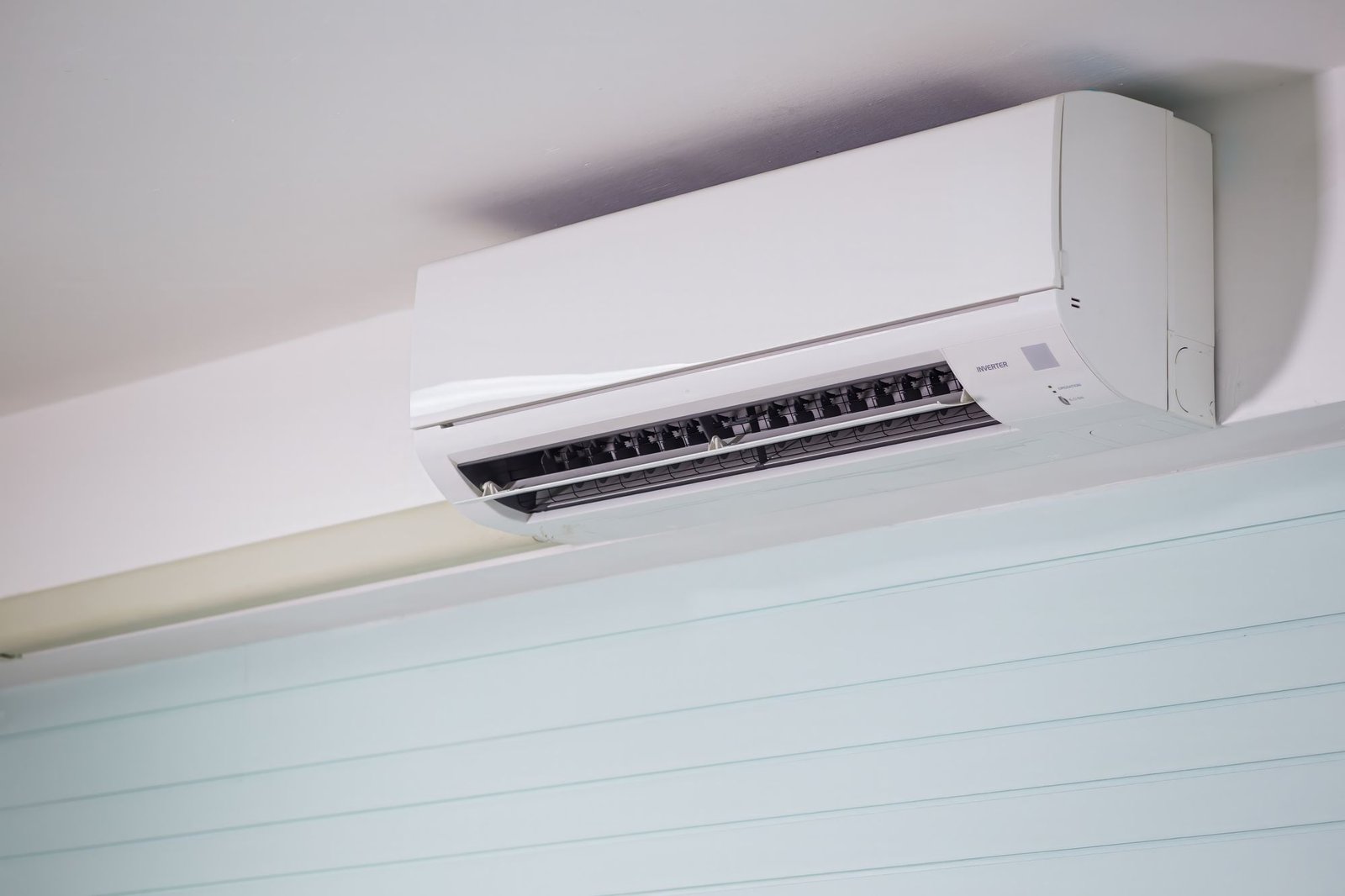
Where are senville mini splits made? Senville has grown into one of the more popular value-tier ductless brands in North America, though it hasn't made much noise doing it. Before you shop for one, it's helpful to know where the hardware actually comes from and who's behind it.
Key Takeaways
-
Started in 2005, Senville is a Canadian brand with its main office in Montreal, Quebec. The company is a seller and private-label brand and does not own its own factories.
-
Most Senville mini splits are built in China on Midea's manufacturing platform, and some models also use parts from Gree.
-
Senville handles the brand name, the software that runs the unit, cold climate versions, paperwork in two languages and warranty management from North America, so these aren't generic white-label AC units.
Who Actually Makes Senville Mini Splits?
Much of the Senville product range is built on the Midea platform, and Senville mini splits also use parts from Gree in certain product years. Midea and Gree are both among the world's largest makers of air conditioners and heat pumps. Picking from these OEM platforms, Senville works as a seller and private-label brand and adds its own control logic, cold climate ratings, Wi-Fi options and packaging.
This way of working is standard in the mini splits market:
-
Mr Cool and Pioneer also lean heavily on Midea and Gree for their outdoor unit and indoor air handler hardware.
-
Senville mini systems are not generic imports. The brand puts real support, documentation and warranty around the OEM hardware.
-
Homeowners should focus on concrete specs like SEER2/HSPF2, low-ambient performance, inverter technology and warranty terms rather than the name alone.
Where Are Senville Mini Splits Manufactured?
Senville mini splits are built in China. The hardware parts are produced in facilities run mainly by Midea and, in some product cycles, Gree. These same factories build units for dozens of other brands sold across North America and Europe.
The exact factory building each Senville model is not publicly confirmed. However, ENERGY STAR qualified product lists show multiple Senville models listed under Midea USA Inc. as the partner manufacturer. While some paperwork or nameplates reference Canadian or U.S. offices, that points to Senville's company base and distribution centers, not where the units are actually put together.
Who Owns Senville And Where Is The Brand Based?
Senville is an independent HVAC brand, not a subsidiary of Midea or Gree. The company was established in 2005 and is based in Montreal, Quebec, Canada. Since launch, it has sold over 500,000 units and reports a 25 percent annual growth rate in the DIY HVAC market.
Senville operates mainly as a marketing, distribution and support company. It specifies feature sets like the cold climate Aura heat pumps, negotiates with OEMs and handles warranties and customer service. The company offers products for the North American and European markets, and has historically emphasized Canadian customers with documentation in two languages and cold climate rated systems. You can also find Senville units through direct-to-consumer channels and online marketplaces, though you won't find them at Walmart or big-box retailers the way you might find Carrier or Midea branded equipment.
In the way Daikin or Mitsubishi position themselves, Senville is not a premium brand. It sits above no-name imports in documentation and warranty backing, but below the Japanese brands in price and support depth.
Senville, Midea, Gree and OEM Manufacturing
Midea is one of the largest global appliance and HVAC producers. Gree is similarly massive. Together, they build millions of outdoor units and indoor heads each year for brands including Senville, some lines of Mr Cool, Pioneer and others.
Senville's role is to choose from these OEM platforms and configure them. The Senville lineup includes product names like the Aura series, SENA and Leto series, each targeting different efficiency and price tiers. With a SEER rating of up to 28, the Aura series leads the line. Across its full range, Senville mini splits range from 18 to 28 SEER ratings. Mr Cool's most efficient unit has a SEER of 23, which puts Senville's top-end specs ahead on paper.
How this differs from premium brands:
-
Daikin, Mitsubishi and Fujitsu control more of their own R&D, make many core components themselves, and run their own long-term parts pipelines.
-
When you read a mini split review for Senville, Mr Cool or Pioneer, many of the core mechanical pieces (compressor design, fan motors, coil layout) may come from the same OEM. Differences often show up in controls, warranty and distribution strategy.
Does Manufacturing Location Affect Quality?
For homeowners, the bigger practical questions are warranty and service access:
-
On pick models, Senville offers a ten-year compressor warranty. Some Senville models have a seven-year warranty.
-
Senville's warranty does not cover labor costs, so you'll want to budget for a labor warranty through your installer if that matters to you.
-
Annual cleaning is needed to maintain warranty coverage, and Senville's warranty needs registration for full coverage.
-
Replacement parts are often Midea or Gree compatible, which can make finding parts easier for contractors who know those platforms.
Senville Vs Other Mini Split Brands (Mr Cool, Pioneer, Daikin)
Brands like MrCool and Pioneer compete directly with Senville, all of which lean on similar supply chain relationships with Chinese OEMs.
| Factor | Senville | Mr Cool | Pioneer | Daikin |
|---|---|---|---|---|
| Primary OEM | Midea / Gree | Midea | Midea / Gree | Own factories (Japan, U.S., etc.) |
| Top SEER | 28 (Aura) | 23 | \~20–22 | Varies by line |
| DIY precharged linesets | No | Yes (DIY line) | Some models | No |
| Cold climate focus | Strong (Aura to -30°C) | Some models | Some models | Strong (select lines) |
| Typical price tier | Affordable | Affordable–mid | Affordable | Premium |
Senville mini splits are known for cold climate performance. The Aura units maintain efficiency at temperatures as low as -30°C, which is critical for homeowners in Canada or the northern U.S. Mr Cool adds DIY features like precharged linesets that Senville skips, assuming a professional installer handles the process.
When you compare Senville with Daikin, the gap gets bigger. Daikin designs and makes many of its own compressor and outdoor unit components, produced in Japan, the U.S., and other non-China works, with deeper service networks. The trade-off is higher up-front cost.
What to Look For Beyond Where It's Made
-
Compare SEER2 and HSPF2 numbers within Senville's Aura, SENA and Leto series against other brands. Check whether you can get rebates or local utility incentives.
-
Regional U.S. AC standards are enforced at installation, so an outdoor unit that does not meet the required efficiency level for a given region cannot legally be installed there, regardless of brand or country of origin.
-
If the outdoor unit sits more than 16 feet above grade, International Mechanical Code section 306.5 requires a permanent means of access like a fixed ladder, which can change the real installed cost of any mini split or heat pump system.
Are Senville Mini Splits Right For You?
If you want solid heating and cooling performance at an affordable price point and are comfortable with a brand that leans on Chinese OEM manufacturing, Senville mini splits and heat pumps tend to suit you.
Where Senville is a strong fit:
-
Additions, garages, bonus rooms, small apartments or extra space heating and cooling
-
You if you want a reliable, known OEM (Midea or Gree) without paying the premium brand tax
-
In Quebec, Ontario or the northern U.S., you may want cold climate performance from the Aura series
Where Senville may not be ideal:
-
Whole-house primary systems in harsh climates where long-term support and contractors who know the brand favor brands like Daikin, Mitsubishi or Fujitsu
-
Complex multi-zone setups where parts availability and tech support are critical in the long run
-
You if you want a DIY-friendly, precharged system (Mr Cool may be a better shop in that case)
Pair any Senville mini split with a careful, professional installation. These systems are not sold as DIY, and improper installation can void the warranty and compromise performance. Knowing where Senville mini splits are made helps set expectations, but the real decision should rest on your design goals, budget and local installer support.
FAQ
Are Senville mini splits made by Midea or Gree?
Most current Senville ductless mini splits are built on the Midea platform, but some generations have been associated with Gree. By series and model year, the exact OEM can vary. You can check the nameplate or compressor model number on the outdoor unit to confirm who manufactured your specific system.
Does being made in China affect Senville's rebates or tax credits?
No. Federal tax credits and utility rebates generally depend on efficiency ratings, cold climate performance and certification like ENERGY STAR, not the country of manufacture. Look up specific Senville model numbers in your utility or government rebate databases rather than assuming inclusion or exclusion based on origin. Portable air conditioners and gas/electric package heat pumps follow different rules completely.
Is a Senville mini split as durable as Daikin or Mitsubishi?
In general, Japanese premium brands still have the edge on proven long-term durability and service networks, especially past the 10-year mark. Senville is a value option: many consumer systems run without issues for years, but data and contractor experience suggest it should not be treated as a like-for-like substitute for top-tier Japanese systems in hard-use applications.
How to tell if a Senville model uses the latest inverter and refrigerant tech?
Check the product spec sheet for inverter compressor details, SEER2/HSPF2 ratings, and refrigerant type (R-410A vs newer blends). In the U.S., the AIM Act is phasing down HFC refrigerants, with production and consumption steps of 60 percent of baseline for 2024–2028, 30 percent for 2029–2033, 20 percent for 2034–2035, and 15 percent from 2036 on. Newer low-GWP refrigerants will increasingly show up across all brands, including Senville.