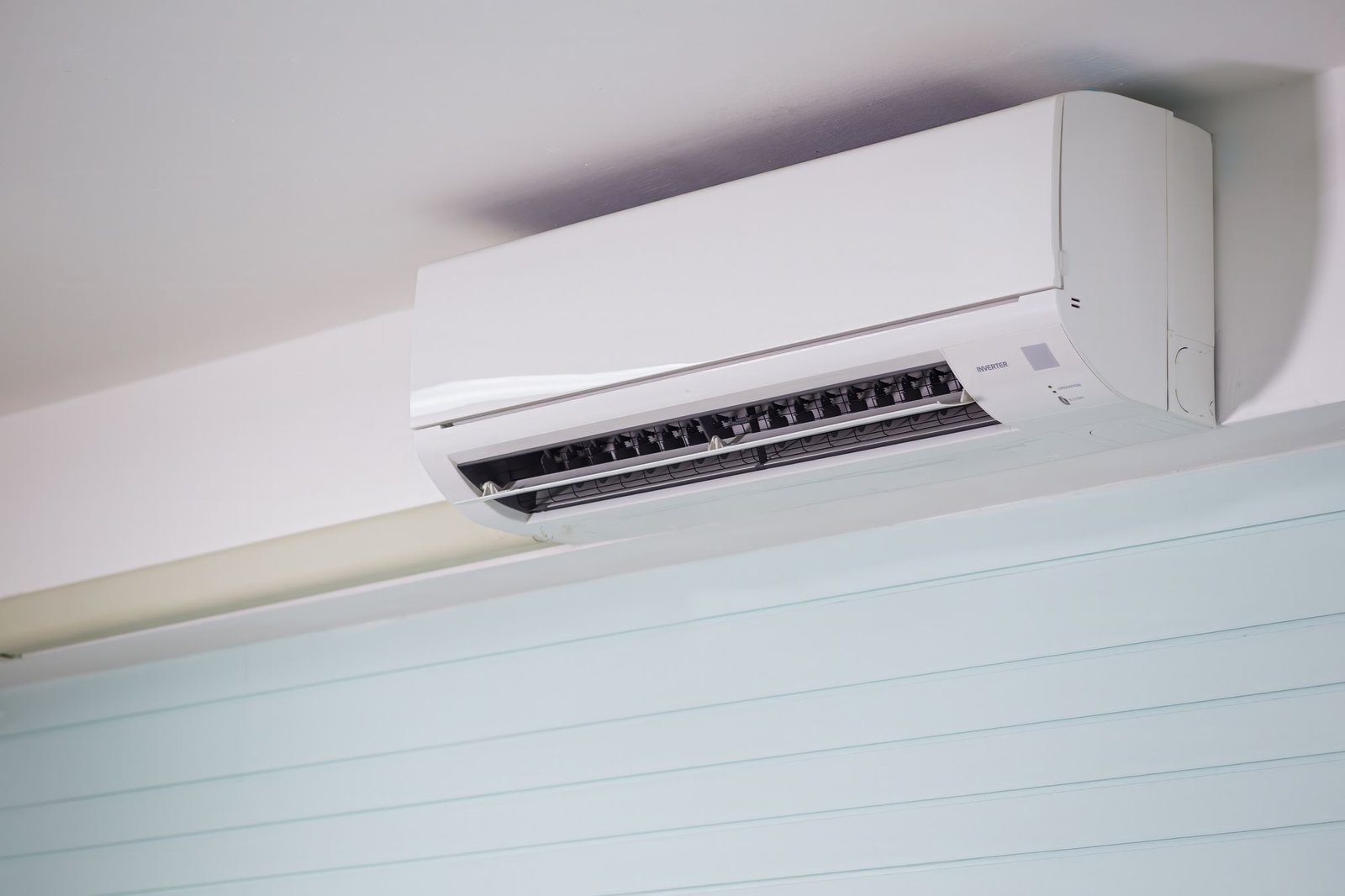
Where are pioneer mini splits made? They might be one of the most looked-up budget ductless options out there, and the first thing you probably want to know is where the equipment actually comes from. The answer is simple enough, but what it means for your house, your wallet and your comfort over the years is something you might want to think through before you buy.
What to Know
-
Pioneer mini splits are designed, sold and supported by Parker Davis HVAC International in Miami, Florida, but the hardware itself is built in China by large OEM factories, including Midea.
-
Most Pioneer outdoor units, indoor units and core components are produced in modern Chinese plants with heavy automation, then shipped to U.S. warehouses for distribution.
-
Because manufacturing happens abroad, Pioneer pricing stays well below Japanese brands like Mitsubishi and Daikin, while still delivering DC inverter technology and competitive efficiency ratings from 17 to 25 SEER.
-
Chinese-made does not automatically mean low quality, but install quality, warranty registration and parts availability matter as much as country of origin.
-
Pioneer mini split systems are sold as American-owned products associated with Chinese manufacturing, and they stand apart from Pioneer Corporation, the Japanese electronics company.
Where Are Pioneer Mini Splits Actually Made?
Here's the direct answer: Pioneer mini split systems are engineered, sold and warranted by Parker Davis HVAC International out of Miami, Florida, while the physical heat pump equipment is manufactured in China. This covers both indoor units (evaporator heads, fan motors, control boards) and outdoor units (compressors, heat exchangers, cabinets).
Industry sources and buyer records show that Pioneer mini splits are produced by Midea, a major Chinese manufacturer, though the exact factories are not shared by the company. This OEM arrangement is standard for value- and mid-tier ductless split systems sold under U.S. brands.
Pioneer is not a Japanese manufacturer like Mitsubishi or Daikin. It doesn't run its own compressor plants. Its role is brand management, feature specification, U.S. distribution, and after-sale service. If you check the nameplate on your Pioneer units, you'll usually see "Made in China" printed alongside the model and serial numbers.
Who Is Parker Davis HVAC International (the Company Behind Pioneer)?
It's worth understanding who stands behind your equipment. Parker Davis HVAC International is the parent company that operates the Pioneer brand. It's based in Miami, Florida and has been supplying products since 1995, so it's got more than two decades in the split systems business.
Parker Davis HVAC International focuses on ductless mini split and multi split systems, plus some ducted configurations. You can buy Pioneer units through PioneerMiniSplit.com, major online retailers and established sellers across North America, so there are multiple channels to reach you. The brand's design, sales and customer support are handled in the United States.
The company handles product choice, model line design (Diamante, Quantum and others), warranty coverage terms, technical documentation and U.S.-based technical support departments. While manufacturing is abroad, logistics, stocking and support operations happen at home. That directly affects shipping times, replacement parts availability and how quickly warranty issues get resolved. Pioneer HVAC equipment is distributed in North America by Parker Davis HVAC International, LLC.
How Pioneer Mini Splits Are Manufactured
Outdoor-unit production involves copper tube bending and brazing for heat exchangers, compressor and vibration pad installation, cabinet forming and painting, evacuation, refrigerant charging and final electrical safety checks. The Pioneer assembly process follows strict manufacturing processes that are consistent with large-scale OEM operations.
Does Being Made in China Hurt or Help Quality Control?
Pioneer specifies design targets, energy-efficiency levels and safety standards. With automated leak testing, electrical tests and batch sampling before shipping, the OEM factories implement those specs. The same large Chinese OEMs also produce renamed units and private-label environmental control gear for multiple brands, so differences between a Pioneer mini and another house brand often come down to part choices and after-sale support.
But here's what we tell readers consistently: install quality is equally complex and just as critical as factory QC. A poorly installed premium unit can fail sooner than a correctly installed budget unit. Proper evacuation, pressure testing and wiring matter a lot.
How Overseas Manufacturing Affects Cost and Performance
Overseas production keeps Pioneer mini split pricing well below premium brands while still delivering complex and efficient technologies. Pioneer mini split systems are designed for cost-effective pricing in the consumer market. That savings is largely due to lower labor and plant costs in China. This is something close to direct factory level pricing passed to you.
| Series | SEER Rating | Refrigerant | Cold Weather Performance |
|---|---|---|---|
| Diamante Pro | 19–20 SEER | R-410A / R-32 | Down to approx. -4°F |
| Quantum Hyperformance | 25 SEER | R-454B / R-32 | Down to -22°F |
| Entry-level models | \~17 SEER | R-410A | Moderate climates |
Pioneer mini splits range from 17 to 25 SEER ratings. The Quantum Hyperformance model achieves 25 SEER efficiency and delivers truly impressive output in cold climates. Pioneer's Quantum series is Energy Star certified. All Pioneer units use DC inverter compressors for energy savings, making them efficient machines even at their lower price points.
Note that R-410A and R-454B are mixes (R-410A of R-32 and R-125. R-454B of R-32 and R-1234yf), while R-32 is a single compound. This is relevant if you're comparing refrigerant choices across brands.
Pioneer vs Other Mini Split Brands on Country of Origin
MRCOOL, for example, designs and supports its DIY and non-DIY lines from Kentucky but also relies on abroad manufacturing for its outdoor units, indoor units and compressors. The concept is similar to Pioneer's China-based production.
Mitsubishi, Fujitsu and Daikin still manufacture a larger share of their air conditioners and HVAC equipment in Japan or other high-cost regions, and that is part of why they cost more and often come with more careful warranty terms.
Installation, DIY and Where Units Are Built
Pioneer mini splits are sold as affordable DIY-friendly options, but most Pioneer models are not true "no-vacuum" DIY systems. Pioneer units come with a 16 ft. pre-charged line set, and you can cut the lineset to the exact length you need. However, a proper install still needs nitrogen pressure testing, evacuation with a vacuum pump, and good flaring practice. You'll also need to know how to use manifold gauge sets.
Pioneer installation is not recommended for first-time DIYers. From our own testing, we've seen that some other budget brands like Della also ship non-pre-vacuumed line sets, so even a cheap DIY install from these brands still needs professional-grade tools.
Contrast this with MRCOOL DIY systems, which use proprietary pre-charged quick-connect linesets for a tool-light self install or DIY install. But our research shows that MRCOOL's DIY pick manual says its quick-connect fittings are designed for one-time installation only. Reinstalling them voids the warranty, and refrigerant loss from dirty connectors is not covered.
Warranty, Parts and Long-Term Support
Pioneer offers a 5-year parts warranty on most models. The warranty is given by Parker Davis HVAC in the U.S., not by the Chinese factory. You can reach customer service by phone, email and chat. You get quick and accurate answers in many cases, though some users report long wait times for Pioneer support. Pioneer also uses AI bots for customer service, and these can handle basic inquiries but may annoy you with complex issues.
For both residential and commercial use, the warranty covers only the original owner of the unit. You must register within 90 days of installation for warranty coverage to take full effect.
Is a Chinese-Made Pioneer Mini Split Right for You?
- You might want the longest, most generous warranty coverage from well-known manufacturers
We encourage you to compare country of origin alongside SEER2 ratings, minimum operating temperature, available indoor-unit types and whether there are nearby technicians who will actually service the brand. For you, a properly installed Pioneer mini split made in China can be a step up from window units and resistance heat at a manageable price. You'll want to go in with clear expectations about support and reliability over the long term.
FAQ
Can You Tell Where Your Pioneer Unit Was Made From the Label?
Yes. Look at the nameplate labels on the side of the outdoor unit and on the back or underside of the indoor unit. "Country of Origin" or "Made in" information is printed alongside model and serial numbers. Check this when your unit arrives and record the serial number for warranty registration.
Does a Chinese-Made Mini Split Affect Energy Rebates?
Rebates and incentives in the U.S. are based on performance numbers (SEER2, HSPF2, ENERGY STAR status) and heat pump status, not on where the unit is manufactured. Confirm that your specific Pioneer model meets any regional utility or state program requirements and keep documentation like AHRI certs or spec sheets handy for applications.
How Does a Chinese-Made Pioneer Compare in Reliability to Japanese Brands?
Japanese brands like Mitsubishi, Daikin and Fujitsu often show higher long-term reliability and more robust local parts networks. That is part of why they cost more. Many homeowners still get 10-plus years from Chinese-made systems like Pioneer when they're installed and maintained properly, but failure rates and support experiences can be more variable.