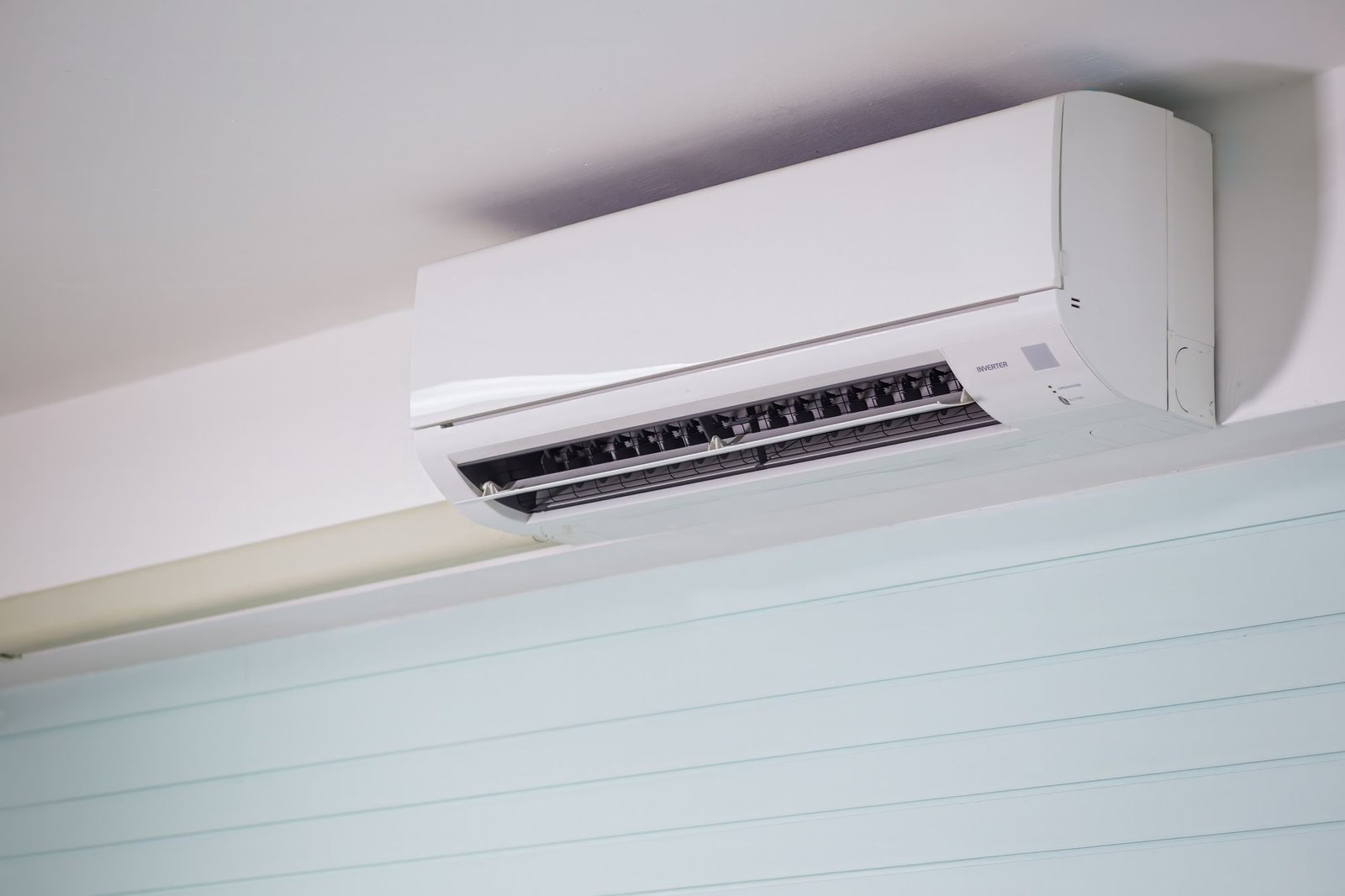
Senville mini split reliability is something every buyer on a budget should look into before they buy. Senville has built a name as the budget stars of the ductless HVAC market, but a cheap price up front doesn't help much if the unit dies after a few years. We looked into warranty fine print, what owners say, common ways these units fail, and what kind of maintenance they need in real life to find out how reliable these units really are and who they work best for.
Key Takeaways
-
Offering some of the best value on the market, Senville mini splits are especially strong in the LETO line. With a 12,000 BTU unit that costs $799.99 and is rated at 21.2 SEER2, the LETO delivers high efficiency per dollar. But reliability depends heavily on proper installation and realistic expectations for a budget brand.
-
Senville puts out 5 years on parts and up to 10 years on the compressor for many systems, but it needs a licensed HVAC professional to pressure-test and evacuate the line sets. DIY installation ends the warranty and can hurt reliability from day one.
-
For the value tier, the failure rate for Senville is about what you'd expect. The company never pays for labor on warranty repairs, so every breakdown means you pay for the technician's time. That makes each repair cost more over the life of the unit.
-
We at minisplitbrands.com see Senville as a good fit for value-focused homeowners cooling or heating a single room in a house or garage, who can find a willing licensed installer and don't mind simpler filtration and support.
How Reliable Are Senville Mini Splits Overall?
Landing in the "average-to-good" range for reliability within the budget category, Senville mini splits are not as tough as top Japanese brands, but they're not cheap disposable equipment either.
Focusing on value, Senville is a company that sells ductless mini split systems directly online, and these systems are made by Midea, one of the largest HVAC OEMs in the world. With proper professional installation and maintenance, typical life spans are in the 10–15 year range, compared to 15–20 years often seen with premium systems. The units have widely standard parts, so most technicians can service them more easily.
Popular models, including the LETO, carry AHRI certification, which means they meet third-party safety and performance standards. That's an important starting point for long-term reliability.
Most reliability complaints we see trace back to installation cut corners. There is no proper vacuum, there are poor flare joints, and there is wrong line set handling. These are the cause rather than the core compressor or electronics failing on their own. Think of it as a solid best value pick when you judge it on efficiency per dollar, but only if you accept slightly higher risk of small repair hassles and less dealer support compared with premium brands.
Senville Warranty vs Real-World Reliability
A warranty isn't a promise that something won't fail. It shows how confident a brand is in its equipment and how much risk stays with you.
Here is how Senville's warranty breaks down as of 2026:
| Series | Parts Coverage | Compressor Coverage |
|---|---|---|
| LETO | 5 years | 5 years |
| AURA / Central | 5 years | 10 years |
| Elite | 10 years | 10 years |
Senville offers a 10-year compressor warranty and a 5 to 10-year parts warranty depending on the line. However, the warranty is parts-only. Senville does not cover labor, so any warranty repair still means the homeowner pays a licensed contractor for diagnosis, travel, and installation time. Warranty parts typically arrive within a week, which helps, but you're still sitting with a non-functional unit until the technician can schedule the fix.
Senville needs a licensed HVAC professional to pressure-test and evacuate the line sets. DIY installation ends the warranty even if the unit seems to run fine at first. This setup makes occasional failures more expensive than on brands offering labor coverage or strong local dealer networks, and that is an important part of the total reliability picture.
Installation Quality Is the Biggest Reliability Factor
A proper Senville mini split installation should include these things:
-
There is nitrogen pressure testing of all line connections
-
Deep vacuum to below 500 microns
-
Correct for the BTU capacity and the run length, the line set sizing is right
-
There is proper electrical work with correct breaker sizing
-
Careful evacuation before opening service valves
Handling refrigerant legally in the U.S. needs EPA Section 608 certification. The regulation at 40 CFR 82.154(c)(1)(vii) lets refrigerant stay sealed inside an appliance with a fully put-together circuit, so a pre-charged mini split can be sold to a homeowner. Not sold as DIY, Senville is different. Opening service valves and connecting line sets goes into licensed territory. The company needs licensed technicians for warranty coverage.
Shortcuts like skipping the vacuum, using contaminated line sets again, or making the system too big lead to early compressor failures, leaks and error codes that get blamed on the brand when the real culprit is installation. We suggest homeowners line up a licensed installer ahead of the buy, confirm in writing they will install owner-supplied units, and ask about a workmanship warranty (usually one year) to cover install-related failures.
Build Quality and Value
It is worth setting realistic expectations for noise and vibration. Performing well in terms of noise levels, Senville systems operate as low as 24 dB at the lowest fan speed. Everyday operation at mid to high fan speeds is more in the 25–40 dB range indoors and 50+ dB outdoors under heavy load.
Efficiency, Stress and Reliability (SEER2, EER2, HSPF2)
Rated around 21.2 SEER2 for cooling at 12,000 BTU, the Senville LETO SENL-12CD is efficient. Senville's efficiency rating of 21.2 SEER2 sits well above the ENERGY STAR v6.2 minimum of 15.2 SEER2 for split heat pumps (which also needs 11.0 EER2 and 7.8 HSPF2). Senville mini split systems can be cost-effective for homeowners looking for efficient heating and cooling at this performance level.
High SEER2 and solid HSPF2 values mean the compressor and fans can run at lower speeds for much of the year, which usually reduces wear. Hurting reliability, oversizing a Senville unit causes frequent short cycling, poor dehumidification and more starts/stops that increase mechanical stress. You should use Manual J–style sizing tools and confirm capacities via the AHRI Directory to avoid oversizing or making the system too small that could shorten the system's life.
Senville LETO vs AURA Cold Climate Reliability
The Senville LETO series is best for single-zone cooling and shoulder-season heating in climates where winter temps usually stay above about 15°F. Performance drops as temperatures get closer to −5°F, and running it as primary heat in a cold climate forces the compressor and defrost cycle to work harder, reducing long-term reliability.
The Senville AURA series is designed for colder climates. Many Senville units maintain heating at outdoor temperatures as low as −22°F. The AURA line includes better defrost logic, thicker coils and more robust compressor protections. ENERGY STAR's Cold Climate label needs at least 8.5 HSPF2 for non-ducted heat pumps, so confirm your AURA model meets that if you're in Canada or a northern state and want rebate eligibility.
You in cold regions who expect the mini split to be primary heat should prioritize AURA models and plan backup heat (electric baseboards or gas) for the week or two each winter when conditions exceed the unit's comfortable range.
Owner Reviews and Common Failure Patterns
Online reviews paint a mixed but generally acceptable picture of Senville mini split reliability, typical of budget brands. Your feedback includes both positive performance reviews and negative reports on customer service. The company's Trustpilot rating shows mixed experiences with support, though it's also reported as very helpful when you reach the right person. Customer service can take time to respond to inquiries, and that frustrates some of you.
Complaint patterns focus on refrigerant leaks at flare connections, control board failures within the first few years. The frustration of requiring multiple paid service calls to fix recurring error codes. Every failure, even under parts warranty, means at least one paid call. A unit that needs 2–3 repairs over its lifetime will cost a lot more than its initial low buy price suggests. If you're unlucky with repairs, the low initial cost compared to competitors gets smaller.
Maintenance and How It Affects Long-Term Reliability
Key maintenance tasks:
-
Clean mesh filters every 30–60 days (more often in homes with pets or people who smoke). Dirty filters can cut efficiency by up to 15% and cause ice buildup or high-pressure error.
-
Keep outdoor coil clean and free of blockage. A dirty condenser coil raises head pressures and can trigger leaks or compressor overheating.
-
Schedule an annual professional checkup: verify refrigerant pressures, inspect flare joints for oil staining, check condensate drainage and confirm the defrost cycle works.
Senville vs MRCOOL for Reliability
For $400–600 less than MRCOOL systems with similar BTU, Senville is usually cheaper up front and offers higher SEER2 per dollar. But MRCOOL DIY mini splits are designed for homeowner installation without ending the base warranty, shifting reliability risk from "who installs it" to "how carefully you follow instructions." MRCOOL DIY and Klimaire DIY models use the 40 CFR 82.154(c)(1)(vii) exemption by shipping sealed, pre-charged line sets. Standard Senville mini splits need a pro to handle refrigerant and vacuum work.
Klimaire's DIY mini split line lets homeowner installation happen (following local code) and keeps a 3-year parts base warranty if you don't register, while its standard ductless mini splits must be installed by a licensed HVAC technician. That is similar to Senville.
In strict reliability terms, Senville is competitive. But the combination of parts-only warranty and installer differences means owners must be careful choosing who installs it and must budget for potential paid repairs. It has earned a reputation as the budget stars of the ductless HVAC market. That title holds if you shop smart and don't cut corners on installation.
Is a Senville Mini Split the Best Value?
-
You are able to find your own licensed installer and handle warranty paperwork
-
You want local dealer support, labor warranties and a phone call that gets a technician to your house fast
If you can pair a Senville LETO or AURA with a careful, licensed installer and keep up with basic maintenance, the brand delivers strong efficiency and acceptable, reliable performance for the price. Before you shop, cross-check any Senville model's AHRI rating, confirm it meets ENERGY STAR v6.2 minimums if efficiency matters, and review whether local incentives need a specific brand or cold-climate label. Save yourself trouble by doing that homework before the unit ships out.
FAQ
How Long Do Senville Mini Splits Last?
With proper professional installation and regular maintenance, most Senville mini splits run around 10–15 years. That is normal for budget ductless systems but a bit below the 15–20 years often seen from top-tier brands. Poor installation (no vacuum, bad flares, wiring that is too small) can cut that lifespan to 3–5 years before major failures appear.
Can I Install a Senville Mini Split Myself Without Losing Reliability?
Senville's documentation needs a licensed HVAC professional for line set evacuation and pressure testing. DIY installation ends the manufacturer warranty, increasing financial risk if anything fails. The biggest reliability danger of DIY is wrong refrigerant handling and vacuum procedures. That can damage the compressor even if the unit seems to work fine at first. You can't say it's impossible that it will run. But you'll be on your own if it doesn't.
Do Senville Mini Splits Get Tax Credits?
Some Senville mini splits meet ENERGY STAR v6.2 standard (at least 15.2 SEER2, 11.0 EER2, and 7.8 HSPF2), but not all do. Check each model on the AHRI Directory or ENERGY STAR website. The federal tax credit under the previous 25C structure ended December 31, 2025, so check current IRS guidance and local programs to confirm whether a specific system qualifies today.
What Maintenance Matters Most for Senville Reliability?
The most important tasks are cleaning indoor mesh filters every 30–60 days, keeping outdoor units and coils free of debris, and scheduling a professional inspection about once a year to check refrigerant pressures, electrical connections and condensate drains. Staying ahead of dirty filters and small leaks prevents many "sudden" breakdowns and error codes that might otherwise make the system seem like it is not reliable.