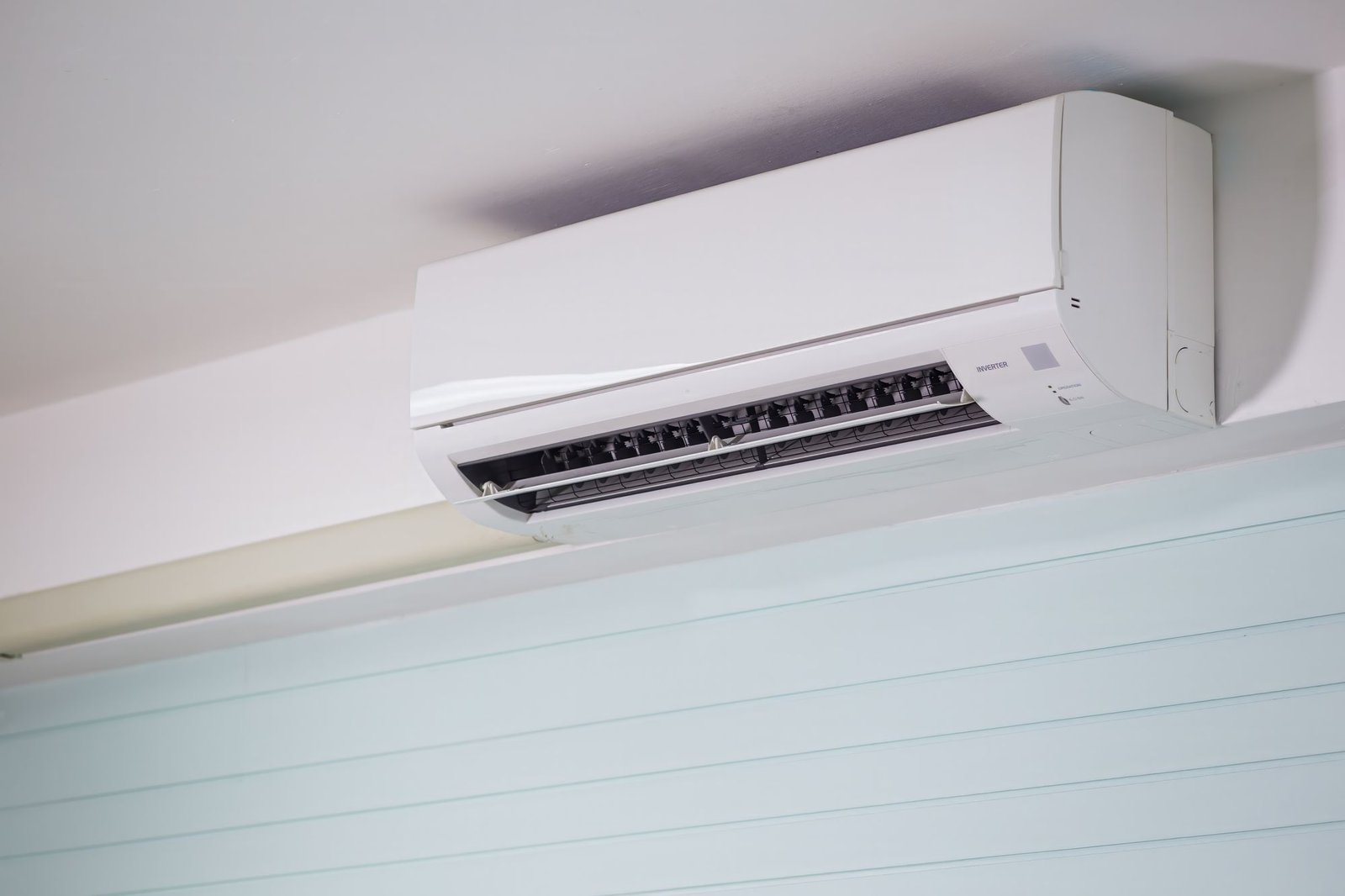
If you're looking at a senville vs mitsubishi mini split for your home, it can come down to how much you want to spend upfront versus how long you need it to last, and how cold your winters get. These two brands sit at opposite ends of the market, and the right pick depends on your budget, climate and whether the unit will be your main comfort system or just a supplement for one space.
What Is Senville? (Budget Mini Splits)
Midea is one of the biggest HVAC equipment makers in the world, and Senville is a value-tier mini split brand that Midea makes. Since 2005, Senville has sold over one million units across North America and Europe, mostly through online channels like Amazon, Home Depot and its own website. If you want to shop for equipment directly and arrange installation separately-or handle part of it yourself-this brand might work for you.
Defining things worth knowing:
-
Price range: For single-zone equipment, Senville mini splits cost about $799–$2,099, depending on the capacity and the series. The LETO line is at the lower end. With the AURA series, you pay more, but you get features for cold weather and better efficiency.
-
Efficiency: Senville provides high efficiency usually around 19–22 SEER, with AURA models pushing SEER2 ratings into the low-to-mid 20s and strong HSPF2 numbers. LETO models are lower, about SEER 17–21.5.
-
DIY appeal: Units ship with pre charged lines and sealed refrigerant circuits, so homeowners can legally buy them (more on that below). To keep the warranty in place, a licensed technician is still needed for evacuation, pressure testing and electrical work.
-
Warranty: Senville mini splits offer 7–10 year warranties-the AURA series carries a 10-year compressor and 5-year parts warranty, while LETO gets 5 years on both. With Senville warranties, customers may need to pay shipping and labor.
-
Competitive features: For the price, Senville can deliver competitive features such as built-in Wi-Fi and app control, fan speed adjustment and multiple operating modes.
For garages, home offices, shops and single rooms, Senville is best at keeping the entry cost low and offering decent comfort. Where it tends to fall short: the support network is thinner, long term parts availability can lag in some areas, and you're more dependent on general HVAC contractors who may not know the brand well.
What Is Mitsubishi Electric? (The Premium Mini Split Brand)
Among major brands in the ductless mini split market, Mitsubishi Electric is widely considered the premium standard. Its M-Series and Hyper-Heat (H2i) lines cover single-zone and multi-zone systems for homes and light commercial use. The brand consistently gets great reviews for reliability by HVAC pros.
Here's what sets it apart:
-
Longevity: Mitsubishi mini splits have a lifespan of 15 to 20 years with proper installation and maintenance-among the longest in the industry. According to contractor feedback, Mitsubishi has the lowest failure rate in the premium tier.
-
Cold-climate performance: Mitsubishi is a Tier 1 brand known for extreme cold-weather performance. Hyper-Heat models maintain full heating capacity at –13°F, making Mitsubishi the top choice for cold climates.
-
Model range and controls: Multiple indoor units styles (wall-mount, cassette, floor-ceiling, concealed duct), advanced zoning, and quiet operation down to about 19 dB(A) on some indoor heads.
-
Efficiency: Mitsubishi mini splits offer high efficiency often going past 20–30 SEER across the range, with many models carrying ENERGY STAR and Cold Climate certifications.
On warranty: Mitsubishi Electric's M-Series base warranty is 5 years on parts from installation by a licensed contractor. Usually, Mitsubishi systems cost $3,500 to $5,500 installed per zone for single-zone setups, depending on capacity, line-set length and local labor. Multi-zone systems can range from $8,000 to $12,000 or more. That's a big jump from Senville's equipment-only pricing, but you're paying for a complete, contractor-backed installation plus better long run value.
For the 12-year parts and compressor term, a Diamond Contractor needs to install the system and register it within 90 days-and labor is not covered. This warranty registration step is something most homeowners overlook, so we always flag it.
Senville vs Mitsubishi Comparison at a Glance
| Factor | Senville (LETO / AURA) | Mitsubishi Electric (M-Series / Hyper-Heat) |
|---|---|---|
| Best for | Budget-conscious buyers; garages, bonus rooms, mild climates | Whole-home comfort; cold/four-season climates; long term reliability |
| Equipment price (single-zone, 12k–18k BTU) | \~$799–$2,099 | \~$2,500–$4,000+ (equipment only) |
| Typical installed cost (single-zone) | \~$2,500–$5,000 (with hired installer) | \~$3,500–$5,500 per zone |
| Efficiency | SEER2 \~17–28 depending on series; some AURA models ENERGY STAR | SEER2 \~20–21.7+; many models ENERGY STAR / Cold Climate |
| Cold-climate heating | AURA rated to –22°F operating; capacity drops not fully published | Hyper-Heat: 100% rated capacity at 5°F; operates to –13°F |
| Warranty | AURA: 10-yr compressor / 5-yr parts; LETO: 5/5; labor not covered | 5-yr parts base; 12-yr parts + compressor via Diamond Contractor + registration; labor not covered |
| Installation path | DIY-friendly purchase; licensed tech needed for critical steps | Professional installation required; Diamond Contractor for full warranty |
| Support & parts | Online/phone support; parts shipped direct; limited local network | Large dealer/contractor network; OEM parts widely stocked |
| Expected lifespan | \~8–12 years (AURA, well-installed); LETO or harsh-climate use may be shorter | 15–20 years with proper installation and maintenance |
The main takeaway: Senville wins on upfront cost and DIY flexibility. Mitsubishi wins on reliability, cold-climate performance, and long term support. Your climate and how central this system is to your home should be the tiebreaker.
Price and Total Cost of Ownership
Senville mini splits are budget-friendly options, with single-zone equipment priced around $799–$2,099 online. An 18,000 BTU AURA unit (SENA-18HF-16), for example, is listed at about $1,599.99 from Senville directly. Smaller LETO units can come in well under $1,000.
Mitsubishi systems are usually 20–40% more than mid-tier options. Equipment-only pricing for a similar 12,000–18,000 BTU Hyper-Heat wall-mount system usually runs $2,500–$4,000 depending on model and features. Once you add contractor labor, line-set routing, electrical and permits, Mitsubishi systems usually cost $3,500 to $5,500 installed per zone. Multi-zone systems can range from $8,000 to $12,000 or more.
With Senville, you can handle mounting and line-set routing yourself, then hire a local technician for evacuation, brazing and electrical hookup-saving on the labor markup that comes with a brand-affiliated contractor. A mid-size single-zone Senville that a general HVAC tech installs might land between $2,500 and $5,000 total.
Mitsubishi units are almost always sold and installed as a package through licensed contractors. Labor rates reflect higher training standards, and using a Diamond Contractor-necessary for the full 12-year warranty-adds a premium.
10–15 year total cost of ownership:
This is where the math shifts. Senville systems usually perform well for 3 to 7 years before efficiency may start to decline, and Senville generally lasts 10 to 12 years before major parts may need replacement. If you need to replace a Senville compressor or the entire unit at year 8–10, that can wipe out much of the upfront savings.
Mitsubishi's documented lifespan of 15 to 20 years means you're likely buying one system instead of two over that period. Higher SEER2 and HSPF2 ratings also mean lower energy bills year after year-particularly in cold climates where the unit runs hard through winter.
On rebates: many Mitsubishi models meet or exceed ENERGY STAR v6.2 limits (15.2 SEER2, 11.0 EER2, 7.8 HSPF2) and may qualify for utility rebates or federal tax credits under provisions like Section 25C. Some Senville AURA models also carry ENERGY STAR certification, but LETO models usually do not. It's worth noting that Daikin offers a 12-year parts warranty when registered at installation-competitive with Mitsubishi-so if you're shopping other brands in the premium tier, compare those as well.
Heating & Cooling Performance (Including Cold-Climate Use)
Both brands have inverter-driven compressors for efficient cooling. With SEER2 ratings around 21.4 for the 18,000 BTU unit and EER2 of about 12.5, Senville AURA models deliver solid performance. LETO models land lower, in the SEER 17–21.5 range. Mitsubishi's premium outdoor units push slightly higher-the SUZ Universal single-zone reaches about 21.7 SEER2-and generally offer better dehumidification and tighter temperature control thanks to wider adjustment ranges.
This is the category where the gap grows most. Senville's AURA models are rated for heating efficiency down to –22°F, which sounds good-but that's the minimum operating temperature, not the point at which the unit delivers full capacity. What happens when outdoor temperatures approach and fall below 0°F? Senville doesn't consistently put out capacity retention curves, and real-world reviews show noticeable output drops at those temperatures.
Down to –13°F, Mitsubishi Hyper-Heat operates and-critically-Mitsubishi units maintain full heating capacity at 5°F outdoors. That difference is enormous for you if you're using a mini split as primary heat. Flash Injection technology and base-pan heaters help Mitsubishi's cold-climate models avoid the defrost-cycle problems that hit less-engineered heat pumps in deep cold.
Senville's LETO line is more limited still, usually rated to about +4°F for heating-suitable for moderate climates but not harsh winters.
At about 27–49 dB depending on fan speed and mode, Senville AURA indoor units are acceptable for most spaces but noticeable at higher settings. Mitsubishi's premium indoor heads can drop as low as ~19 dB(A) in low mode-whisper-quiet for bedrooms and offices. Outdoor units from Mitsubishi also tend to be quieter, an advantage if the condenser sits near a patio or neighbor's window.
We see Senville units work well for garages, shops, bonus rooms and homes in mild climates where winter lows rarely dip much below 20°F. For whole-home, year-round primary heating and cooling in climates with freezing winters, Mitsubishi is the clear choice. If you'd be in serious trouble during a 10°F night, the Mitsubishi Hyper-Heat is worth the money.
Reliability, Warranty and Support
For standard residential use, Senville is a budget-friendly Tier 2 option that offers value. Customer reviews are generally favorable-many owners report units that run quietly and beat expectations-but there's more variation. On Trustpilot, some users note occasional missing hardware, shipping delays or parts delays. Usually, Senville systems perform well for 3 to 7 years before performance may start to decline, and Senville generally lasts 10 to 12 years before major parts may need replacement. In harsh climates with heavy use, that window can be shorter.
Warranty comparison:
Senville mini splits offer 7–10 year warranties depending on the series. The AURA line provides a 10-year compressor and 5-year parts warranty. The LETO covers 5 years on both. Senville provides competitive parts warranties but may have limited technician availability. With Senville warranties, customers may need to pay shipping and labor, and a licensed technician must perform evacuation and pressure testing to keep the warranty valid.
Mitsubishi offers strong warranties often requiring certified installers for full coverage. The M-Series base warranty is 5 years on parts with a licensed contractor installation. Mitsubishi provides a 12-year compressor warranty when registered-specifically, when a Diamond Contractor installs the system and the owner finishes warranty registration within 90 days. Labor is not covered under either brand's factory warranty, though some Diamond Contractors offer their own labor warranty as part of their service agreement.
For comparison, Daikin offers a 12-year parts warranty when registered at installation-so if you're cross-shopping other brands in the premium tier, the coverage is competitive.
One thing we always flag: installation quality strongly affects reliability for both brands. A poorly installed Mitsubishi can still fail early, while a well-installed Senville can last past its expected lifespan. Proper sizing via a manual J load calculation, correct refrigerant charge and good airflow design matter as much as the nameplate on the unit.
Installation, DIY vs Pro and Warranty Implications
How you plan to install the system is a major deciding factor between these two brands-and it directly affects your warranty coverage and long term experience.
Senville offers strong DIY value with 7–10 year warranties and a purchase model designed for direct-to-consumer sales. Units arrive with pre charged refrigerant sealed inside a fully assembled circuit, which is why they can legally be sold to homeowners without EPA 608 certification. The legal basis is 40 CFR 82.154(c)(1)(vii), which exempts refrigerant already sealed inside an appliance with a fully assembled circuit.
That said, the practical reality is that running linesets, evacuating with a vacuum pump, brazing connections and wiring the system should still follow local code. Even with pre charged equipment, many jurisdictions require permits and code-compliant electrical work. Senville's warranty terms require that a licensed technician handle evacuation and pressure testing of line sets-skip that. You risk voiding the compressor warranty.
Mitsubishi systems are not designed or sold for DIY installation. Professional installation by a licensed contractor is the expected path. To unlock the full 12-year parts and compressor warranty, you need a Mitsubishi Diamond Contractor to handle the install and complete the warranty registration within 90 days. Using an unlicensed or unauthorized installer can reduce your warranty to the base 5-year parts coverage-or worse, leave you without support when something goes wrong.
Mitsubishi requires warranty registration to unlock full coverage, which is an easy step to forget in the excitement of a new install. We recommend confirming with your contractor that registration is done before they leave.
-
Senville: Cost-conscious, technically capable homeowners in mild or moderate climates who are willing to manage the details, coordinate with a licensed tech for the critical steps, and accept some risk if service is needed down the road.
-
Mitsubishi: For homeowners who want a ready-to-go, warrantied installation with long term support-especially for whole-home comfort systems where downtime is not an option.
It's worth noting that other brands fill the middle ground. Pioneer and the pre-charged kit brands offer DIY-friendly mini splits at various price points, and Klimaire's DIY mini split line lets you do the installation while keeping a 3-year parts base warranty if you don't register it. If you're comparing across the market, installation requirements vary brand by brand.
Efficiency, Rebates and Operating Costs
Modern mini splits are rated on SEER2 (seasonal cooling efficiency), EER2 (steady-state cooling), and HSPF2 (heating season performance). ENERGY STAR v6.2 needs split heat pumps to reach at least 15.2 SEER2, 11.0 EER2, and 7.8 HSPF2 to be certified. For the ENERGY STAR Cold Climate label, non-ducted mini splits need at least 8.5 HSPF2 and 15.2 SEER2. Ducted units need 8.1 HSPF2.
In real-world terms, a 2–3 point SEER2 difference may not feel dramatic on a single utility bill-but over 10+ years of year-round operation in a 1,000–1,500 sq. ft. space, it adds up to savings on energy bills, particularly in hot-summer or cold-winter climates where the system runs long hours.
Senville or Mitsubishi: Which Should You Choose?
-
You have a tight budget and need the lowest upfront equipment cost-equipment under $2,100 is hard to beat among mini splits that are good enough for daily use.
-
You'll want the best shot at rebates, ENERGY STAR Cold Climate performance, and warranty coverage that holds up over time.
Our bottom line: For whole-home systems in cold or four-season climates, Mitsubishi mini split systems are considered the premium choice for residential heating and cooling-and the extra money is usually worth it in the long run. For a single room, a mild climate or a space where replacement at year 10 is acceptable, Senville offers value. In either case, installation quality can make or break the system. Hire a competent installer, get a load calculation done, and follow local code-because no amount of brand reputation can fix a bad install.
Frequently Asked Questions About Senville vs Mitsubishi
Can You Install a Senville or Mitsubishi Mini Split Yourself?
Senville is more commonly installed by skilled DIYers since the units ship with pre charged lines and sealed refrigerant circuits. Under 40 CFR 82.154(c)(1)(vii), these systems can legally be sold to homeowners. However, local codes may still require permits and licensed trades for electrical and refrigerant work, and Senville's warranty requires a licensed technician to evacuate and pressure-test the line sets.
Mitsubishi expects licensed professional installation. DIY or unauthorized work can void the warranty and make future service difficult. The full 12-year compressor warranty requires a Diamond Contractor install plus warranty registration within 90 days.
Will a Senville or Mitsubishi Mini Split Qualify for Rebates and ENERGY STAR Incentives?
Rebate rules depend on the specific model meeting ENERGY STAR v6.2 requirements-not just the brand name. Look up the AHRI reference number for the exact model being quoted and confirm ENERGY STAR status using the ENERGY STAR Product Finder. Which brand has more models that usually meet cold-climate and high-efficiency standard? Mitsubishi does, but some Senville AURA models may qualify in certain programs. LETO models are unlikely to meet the limits.