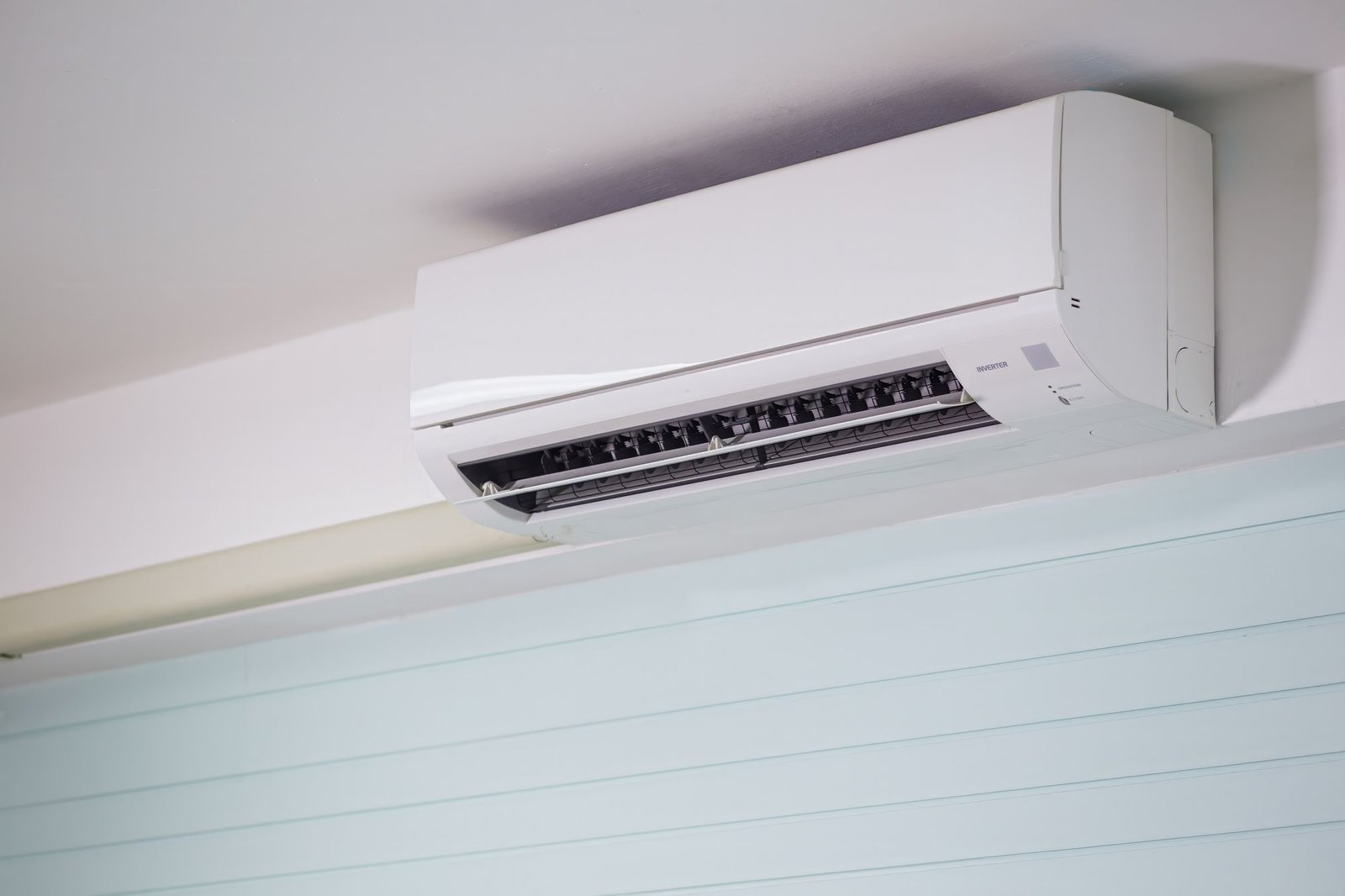
If you're choosing between a pioneer vs daikin mini split, it usually comes down to how much you want to spend upfront versus how much cold-weather performance and professional support you'll need over the life of the system. With Pioneer and Daikin, you are looking at two different kinds of buyers: Pioneer goes after budget-friendly value and installs that you can help with if you are handy, while Daikin is a global HVAC leader that is known for high-performance systems and strong long-term reliability. This comparison looks at single-zone ductless wall-mount heat pumps - the most common setup when you are adding heating and cooling to one room or a supplemental space - not big commercial VRV/VRF configurations.
The short answer: For those watching their budget, who are okay coordinating part of the install themselves, and who live in a mild to moderate climate where winter temperatures rarely drop below about 15°F, Pioneer is the better deal. If you need reliable heating in sub-zero temperatures, and if you value a longer warranty that's backed by a large dealer network, and you have a fully contractor-installed system, Daikin is the stronger pick. In places like Florida or the Southeast, if you want to use a single room or add supplemental heating and cooling, Pioneer can deliver capable performance at a lower price. For whole-home projects, or if you need primary heating in cold climates, Daikin is usually the safer long-term investment.
What Is Pioneer (Mini Split Brand)?
Pioneer's niche is single-zone wall-mount systems, though you might find multi-zone setups too. Their main strengths are lower cost per BTU compared with big Japanese brands like Daikin or a Mitsubishi mini split, broad online availability, and reasonable efficiency for the price - especially in the Diamante line. Usually, Pioneer systems run from 16 to 25 SEER2, and many of their units sit well above the lowest federal requirements.
As a concrete example, the Pioneer Diamante Pro 12,000 BTU (model WYT012GLSI20RL) is a unit that is current and representative. From our own testing, it has a rating of 20 SEER2 and 9.5 HSPF2, it runs on 208–230V, and it uses R-454B refrigerant. It is pre-charged to 25 ft of line set, but it uses flare connections, so you still need a vacuum pump and proper evacuation - which means "true DIY" is more involved than it first appears. Pioneer has also been getting rid of R-410A models: Pioneer lists the Diamante Ultra as no longer made, tied to the R-410A phase-down, with remaining inventory only. This is part of the wider refrigerant transition that is hitting every brand in the HVAC space.
What Is Daikin (Mini Split Brand)?
Daikin's product range for residential ductless is wide - it covers the 17-Series, the Aurora cold-climate line, Emura and multi-zone configurations. Where Daikin tends to stand out is in low-ambient heating performance, more advanced controls and smart integration options, and stronger warranties when the equipment is installed by factory-authorized contractors. Depending on the series, Daikin systems can hit SEER2 ratings of up to 28 - among the highest in the residential mini split category.
Pioneer vs Daikin at a Glance
For a typical 12,000 BTU single-zone heat pump installed in 2024–2026, the table below gives a quick look. Use it to get your bearings, then read the deeper looks below.
| Factor | Pioneer (Diamante Pro 12K) | Daikin (Aurora / comparable 12K) |
|---|---|---|
| Best for | Budget-minded homeowner or DIY-capable user; mild to moderate climate; supplemental or one room use | Homeowner wanting pro install, cold-climate heating, long term reliability and strong parts access |
| Typical equipment price (12K BTU) | \~$850–$1,000 (outdoor unit + indoor head + line set kit) | \~$2,400+ (equipment only, through contractor/distributor) |
| Installed cost | \~$1,500–$3,500 with partial DIY or full contractor | \~$2,500–$4,500+ depending on complexity and region |
| Efficiency (SEER2 / HSPF2) | 20 SEER2 / 9.5 HSPF2 | Up to \~21 SEER2 / \~10–10.5 HSPF2 |
| Cold-climate performance | Some models rated to −4°F; capacity drops faster below single digits | Aurora series rated to −13°F with high capacity retention |
| Warranty (residential, registered) | 5 years parts & compressor (registered within 90 days) | 12-year parts warranty (subject to registration and installation requirements) |
| Install type | Sold direct; partial DIY possible but vacuum pump and flare work needed | Contractor-installed; warranty typically requires licensed pro |
The headline takeaway: Pioneer wins on upfront equipment cost and delivers decent efficiency for the price; Daikin wins on cold-weather capacity, professional service support, and warranty depth.
Decisive Factor 1: Upfront Cost and Installed Price
On the equipment side, Pioneer Diamante Pro 12K units with 20 SEER2 and R-454B are regularly listed online for about $850–$1,000 including a 16 ft line set kit. Pioneer is generally less expensive than Daikin, which makes them a good fit if you're shopping for a single room, basement or garage and you need to watch your budget. In contrast, Daikin Aurora 12K cold-climate equipment is running closer to $2,400 or more through distributor channels - about two to three times the equipment price for similar cooling capacity.
Installed cost follows a similar pattern but makes the gap smaller. If you handle wall mounting, bracket installation and electrical rough-in, then get a licensed tech only for the vacuum pump work, leak test and valve opening, Pioneer can be cheaper overall. A full single-zone Pioneer install usually lands in the $1,500–$3,500 range. Usually quoted as all-in installed projects that include equipment, refrigerant handling, line sets and warranty registration, Daikin systems bring the total to about $2,500–$4,500+ depending on ceiling height, line-set distance and local labor rates.
Hidden costs can make the gap smaller further. If you are leaning toward DIY with Pioneer, you may need to rent a vacuum pump, buy nitrogen for leak detection, get line-set covers and pull electrical permits. And some contractors don't want to install homeowner-supplied equipment, so that can eat into the savings you were hoping for. On the Daikin side, the higher upfront price usually includes labor warranty and a single point of contact if something goes wrong - a deal that many homeowners find worth the premium.
Winner: Pioneer - lower equipment costs and savings if you're comfortable managing parts of the install yourself. The trade-off is less bundled professional support and more responsibility on you when it's time to fix or maintain the system.
Decisive Factor 2: Efficiency, Operating Cost and Compliance
Both brands deliver strong efficiency. The Pioneer Diamante Pro 12K posts 20 SEER2 and 9.5 HSPF2, and that is comfortably above the current federal minimum for split heat pumps. Before 2023 the federal minimum was 14 SEER and 8.2 HSPF. On the new SEER2/HSPF2 test, the 2023 figures aren't directly similar, so be careful when you're comparing older spec sheets to current models. Similar Daikin single-zone units land in a similar range - up to about 21 SEER2 and ~10 HSPF2 in certain Aurora models. Single-zone units usually have higher SEER2 ratings than multi-zone setups, so both brands perform at their best in single-room applications.
Regional compliance matters too. In the Southwest (Arizona, California, Nevada, New Mexico), split ACs under 45,000 Btu/h also need 11.7 EER2, or 9.8 EER2 if they're rated 15.2 SEER2 or higher. Both Pioneer and Daikin offer models that meet these cutoffs, but not every unit in every BTU size qualifies - it's worth checking the exact EER2 rating on the spec sheet before you buy.
For most homes, the real-world energy cost difference between a 17 SEER2 and a 20 SEER2 system is small compared to the impact of correct sizing, insulation quality and proper installation. Good surface-mount placement, sealed line penetrations and decent air circulation around the outdoor unit matter more for efficiency than going after the last point of SEER2.
On standby power, federal rules cap average off-mode power at 33 W for split-system heat pumps and 30 W for split-system air conditioners. Mainstream Pioneer and Daikin units both comply, though enabling energy-saving modes on the remote or controller is still a smart habit.
Winner: Tie, with a slight edge to Pioneer on spec-sheet efficiency per dollar spent. In some series (especially cold-climate models), Daikin makes the gap smaller or flips it, and installation quality often matters more than a 1–2 point SEER2 difference.
Decisive Factor 3: Cold-Climate Heating Performance
In sub-zero temperatures, Daikin systems can maintain heating capacity. That's their defining advantage. The Aurora cold-climate series is engineered for continuous operation down to −13°F, maintaining near-full capacity at 5°F and about 85% at −13°F in some models. That means you need less backup resistance heat and you get lower electricity bills during the coldest months - a significant edge for you if you're in northern states, mountain zones or New England.
Pioneer's position is more moderate. Some Diamante Pro models carry low-ambient ratings - the 36,000 BTU version, for instance, is rated to about −4°F - but smaller units like the 12K tend to lose heating capacity faster as the temperature drops below single digits. Pioneer mini-splits generally perform reliably for moderate climates and residential applications. They are perfectly fine for shoulder-season heating or supplemental use in cold regions, but they may need backup heat in a deep winter stretch.
Decisive Factor 4: Installation, DIY Friendliness and Service
The install pathway - DIY versus full professional - is often the true deciding factor between these two brands, and it shapes everything from upfront cost to warranty coverage.
Pioneer equipment is widely sold direct to you. If you're a handy homeowner, you can handle wall mounting, bracket installation, ceiling or floor routing and electrical rough-in on your own. But the "DIY" label can be misleading. Even though the Pioneer Diamante Pro 12K is pre-charged to 25 ft of line set, flare connections still need evacuation of all air and moisture with a vacuum pump. You'll also need proper flare tools, a leak test setup and awareness of EPA 608 certification requirements if refrigerant must be adjusted or recovered. It's not a plug-and-play project.
It is worth noting that true DIY mini split brands ship factory-charged line sets with quick-connect fittings that don't need a vacuum pump or EPA certification. Pioneer's install process sits between those true DIY systems and full contractor-only brands like Daikin.
Daikin mini splits are generally not DIY. They are sold and installed by licensed HVAC contractors who handle line sets, brazing or flaring, refrigerant charge and system commissioning. Many Daikin warranties - including the 12-year parts warranty - need installation and registration by an authorized contractor. This contractor-first model means better quality control on the install, but it also means you can't easily shop around for cheaper equipment online and then hand it to a local tech.
For service and repairs, Daikin's contractor network and parts distribution tend to make diagnosis and access simpler. If a compressor fails or a board needs replacing, your installing contractor can usually source parts quickly. With Pioneer, you may need to coordinate warranty parts directly with the seller or Pioneer support, then hire an independent tech to swap components - a process that can take longer and test your patience.
Decisive Factor 5: Reliability, Warranty and Brand Track Record
Long term reliability is harder to look at from a spec sheet, but it has an outsized impact on total cost of ownership. A unit that lasts 18 years with little repairs is a very different deal from one that needs a compressor at year 8.
Daikin systems provide strong long-term reliability and support through professional dealer networks. Among HVAC pros, Daikin is widely regarded as a top-tier manufacturer with robust quality control, and well-installed systems usually perform for 15–20 years or more with routine maintenance. Daikin offers a 12-year parts warranty subject to registration and installation requirements - one of the longest in the residential mini split space. If something fails, your installing contractor usually handles the claim, orders the part and performs the repair under one umbrella.
Pioneer offers practical features but lacks some advanced technology compared to Daikin, and its track record, while solid, is not as deep. Pioneer's warranty usually spans 5 to 7 years on parts and compressors when registered within 90 days of buy. If you don't register, coverage drops to just 1 year - a significant gap. Warranty claims often need working through the online retailer or Pioneer support, plus hiring a local tech to do the actual repair. Some independent techs are hesitant to work on homeowner-supplied budget brands on anything other than a time-and-materials basis. That can drive up the cost of a covered repair.
From a serviceability standpoint, Daikin parts and documentation are more accessible to licensed techs, and diagnostic tools are more consistently available across the dealer network. Pioneer parts can be ordered direct, but shipping times and local tech familiarity vary - something to consider if you are in a rural area with limited HVAC access.
Winner: Daikin - stronger support network, longer warranty and a deeper track record for long-term reliability, especially when installed by a reputable local contractor. Your trade-off with Pioneer is a lower price but more owner involvement when something fails.
Which Should You Choose, Pioneer or Daikin?
-
Choose Pioneer if:
-
You are budget-sensitive and you want to keep equipment cost low - especially for a single room, bedroom, basement or bonus space.
-
You're comfortable coordinating part of the install yourself or you have a local tech who's willing to handle refrigerant work on homeowner-supplied equipment.
-
You live in a mild to moderate climate where ultra-low-temperature heating is not critical.
-
You're fitting out rentals, garages or zones where absolute top-tier longevity matters less than upfront savings.
-
Choose Daikin if:
-
You want a fully pro-installed, all-in system with strong warranty support and a single point of contact.
-
You live in a cold climate and you need reliable heating performance at or below freezing - Daikin's cold-climate series are hard to beat here.
-
You prioritize long-term reliability and easier access to service technicians and parts.
-
You're okay paying a premium for brand reputation, contractor backing and a 12-year parts warranty.
For the most common homeowner scenario - a primary HVAC system in a mixed or cold climate, expected to last 15+ years - Daikin is usually the stronger all-around pick. In specific, well-defined situations, Pioneer excels: budget-conscious single-zone installs, supplemental heating and cooling in mild climates, or spaces where the cost difference really changes the math on whether the project happens at all. Whichever brand you lean toward, confirm the exact model's SEER2/HSPF2, cold-climate rating and warranty terms, and get at least two local install quotes before you commit.
Frequently Asked Questions
Is Pioneer as Reliable as Daikin?
Daikin is generally favored by HVAC professionals for 15–20-year service life when it is properly installed and maintained. Pioneer is more of a 10–15-year budget option - many users report satisfactory performance, but the shorter warranty and less established cold-climate track record mean there's less buffer if something goes wrong early. That said, actual lifespan depends heavily on correct sizing, quality of installation and routine maintenance like filter cleaning and defrost cycle management. A poorly installed Daikin can do worse than a well-installed Pioneer, so brand helps but it isn't everything.
Install a Pioneer Mini Split Without a Vacuum Pump?
No. Even though the Pioneer Diamante Pro 12K is pre-charged for up to 25 ft of line set, it uses flare connections that need evacuation of all air and moisture before the system can run safely. A vacuum pump is essential for this step, along with proper flare tools and leak-check equipment. Unlike true DIY brands, which use quick-connect line sets that do not need a vacuum pump or EPA certification, Pioneer's install process demands professional-level tools and knowledge. The best approach for most homeowners is a hybrid: handle the mounting, wall penetration and electrical rough-in yourself, then hire a licensed tech for the refrigerant work, leak test and startup.
Are Daikin Mini Splits Worth More Than Pioneer?
The extra cost buys better cold-weather heating capacity, a much longer warranty (Daikin offers a 12-year parts warranty when properly registered), quieter indoor operation in many models, and a wider service network for repairs. In many scenarios, yes. If this is your primary heating and cooling system and you plan to keep it for a decade or more, Daikin's premium tends to pay for itself in reduced repair risk and lower lifetime cost. But if you're adding one mini split to a garage, a guest bedroom or a rental unit in a warm climate - and you're fine with a shorter warranty window - Pioneer's lower upfront price may make more financial sense.
Which Brand Is Better for Very Cold Climates?
Daikin's dedicated cold-climate series - especially the Aurora line - are usually the safer choice when winter temperatures regularly drop below about 10–15°F. These units are engineered to maintain a high percentage of rated heating capacity down to −13°F, so they reduce or eliminate the need for backup heat. Pioneer low-ambient models can handle the teens and single digits but tend to lose capacity faster in deep cold. That may mean relying on supplemental hot air from a furnace or resistance heater during the worst winter nights.
Can You Mix Pioneer and Daikin Systems?
Absolutely - there's no technical issue with running different brands in different zones or rooms. Each mini split is a standalone system with its own outdoor unit and indoor head. The main downsides are practical: you'll have separate remotes or apps for each brand, service logistics get more complex, and aesthetic or noise-level differences between indoor heads may be noticeable. A common mixed setup is Daikin for the main living space where heating loads are highest and long term reliability matters most, with Pioneer in a detached garage, office or insulated attic space where the budget matters more than peak winter performance. Multi-zone systems use one outdoor unit for multiple indoor heads, so mixing brands means separate outdoor units - keep that in mind if outdoor wall or floor space is limited.