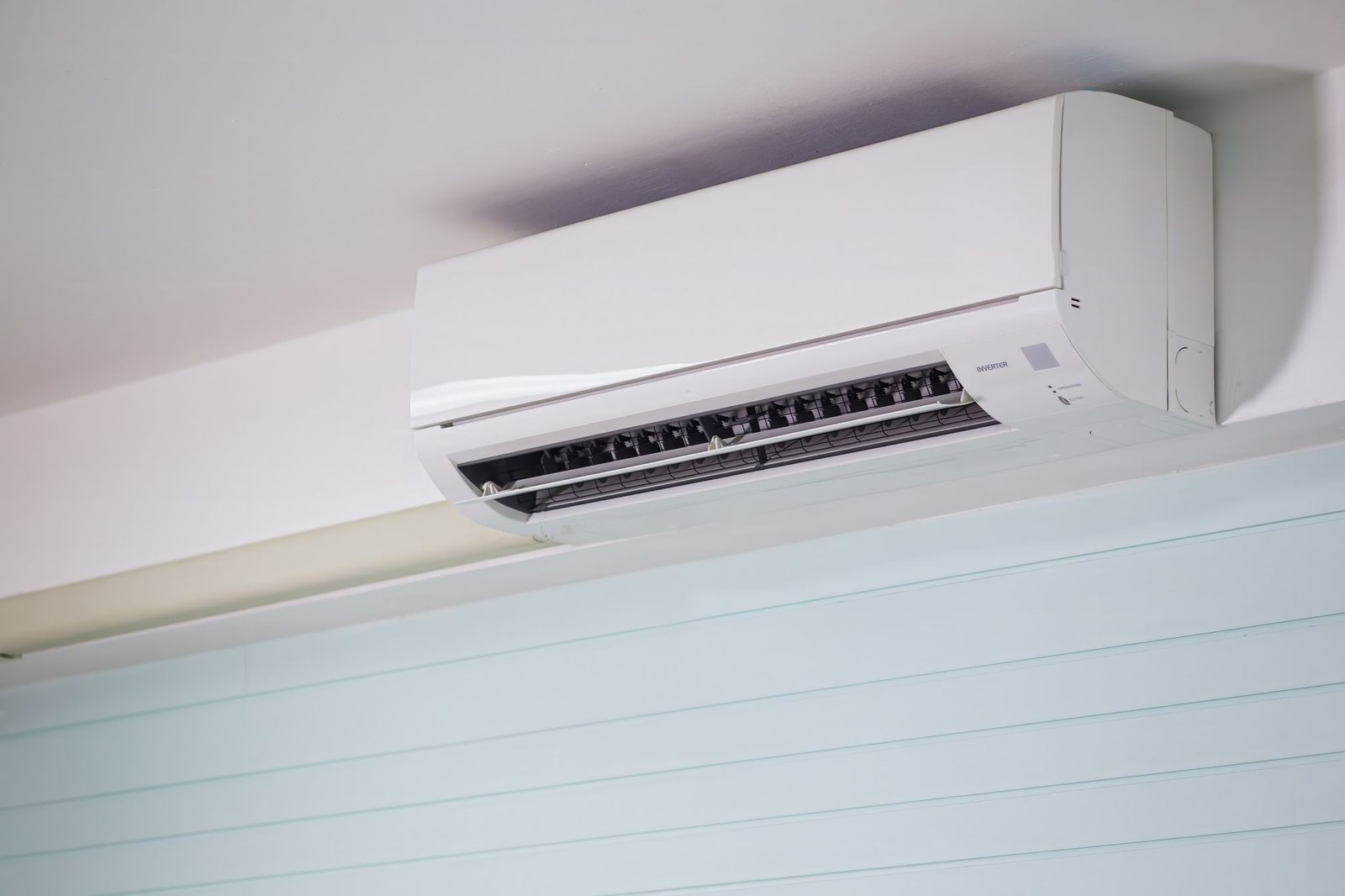
If you're weighing a Pioneer vs Cooper and Hunter mini split, you're likely comparing two of the most popular value-tier mini split brands on the market - and trying to figure out which one actually delivers more for your money. Both offer inverter technology, cold climate models rated to −22°F, and equipment prices well below premium brands like Mitsubishi or Daikin. The biggest deciding difference comes down to this: Pioneer's Quantum Hyperformance line pushes energy efficiency higher (up to 25 SEER2), while Cooper & Hunter's Hyper Heat models lean harder into superior cold climate performance and maintenance-friendly indoor units.
Below, we'll break down price, energy efficiency, cold climate heating, installation realities, warranty coverage, features and noise - then tell you which mini split brand fits which homeowner.
The short answer: For the average homeowner in a mixed or moderately cold climate, Pioneer is the stronger all-around pick thanks to better energy efficiency, a wider model range and a slightly lower price to performance ratio. If you live where winters regularly dip below 0°F and you want a reliable primary heat source with easier self-maintenance, Cooper & Hunter's Hyper Heat line is the better fit. Both are decent brands in the budget tier, and both require professional installation for warranty and code compliance.
What Is Pioneer? (Brand Snapshot)
Key product lines include:
-
Standard wall-mount heat pumps - these are entry through mid-efficiency levels, and they work well for single zone additions, garages and ADUs.
-
Multi-zone Quantum systems - these are for whole-home or zoned systems with more than one indoor unit.
-
Quantum Hyperformance series - this is the best line, and it has SEER2 up to 25 (in 9K and 12K sizes) with heating that is rated down to −22°F.
Pioneer's reputation is built on value: you get better energy efficiency than most bare-bones budget units, but warranty and service depend a lot on where you buy and who installs it. Often picked for direct-to-consumer and DIY applications, Pioneer systems still mean you need a pro for the refrigerant work. Typical uses include single-zone room additions, budget whole-home updates and if you want accessible mini split solutions without paying the extra cost you'd see on Mitsubishi or Daikin.
What Is Cooper & Hunter?
Main product families include:
-
Standard/entry-level wall units - these give you affordable cooling and heating for mild to moderate climates.
-
Multi-zone outdoor unit systems - these support two or more indoor heads for larger homes.
-
Hyper Heat series - these are built for severe cold. They keep their capacity down to −22°F with features that are tuned for winter heating.
Pioneer vs Cooper & Hunter Key Differences
| Factor | Pioneer | Cooper & Hunter |
|---|---|---|
| Best for | Homeowners wanting maximum SEER2 efficiency in a budget mini split brand, broad model selection, mixed climates | Homeowners in harsh cold climates prioritizing winter heating, easier indoor unit cleaning, Hyper Heat value |
| Price (12K BTU single zone, equipment only) | \~$700–$1,200 (Quantum Hyperformance) | Similar to slightly higher for comparable Hyper Heat models |
| Efficiency (SEER2) | Systems typically range from 17 to 25 SEER2; Quantum Hyperformance hits up to 25 SEER2 in 9K–12K | Standard models mid-teens to low-20s; the Olivia Series reaches 26.4 SEER2; Hyper Heat models 22–25 SEER2 |
| Cold-climate heating | Quantum Hyperformance rated to −22°F; standard lines often only \~5°F+ | Hyper Heat models rated to −22°F; entry models higher minimums |
| DIY-friendliness | Traditional flared line sets; no pre charged lines or quick connect fittings; pro needed for refrigerant | Same - no true DIY systems; slightly more maintenance-friendly indoor unit access in some series |
| Warranty | 5-year warranty on most units and compressors | 7-year compressor, 5-year parts (with licensed install + 60-day registration) |
The main takeaway: Pioneer gives slightly broader model choice and top-end cooling efficiency, while Cooper & Hunter leans harder into cold climate value and easier self-maintenance on select models. Both Pioneer and Cooper & Hunter use components sourced from major OEMs like Midea, and both utilize variable-speed inverter compressors for improved energy efficiency.
Price & Total Installed Cost
-
A Pioneer 12K Quantum Hyperformance single zone kit usually sells for about $700–$1,200 equipment-only online. For budget-conscious buyers who want a simple installation, Pioneer is generally more cost-effective.
-
Cooper & Hunter's similar Hyper Heat 12K models list at similar or slightly higher prices. That reflects the cold-performance setup. Stock Pioneer units in the standard tier tend to beat C&H's Hyper Heat pricing by a small amount.
-
Multi-zone systems can get expensive on both sides. A Cooper & Hunter Hyper 2-zone ducted 55,000 BTU system (SEER2 ~22.2, HSPF2 ~10.5) costs more because it's got a larger outdoor unit and heavier piping. Pioneer's Quantum multi-split systems in similar total capacity hit SEER2 ~22–24 at competitive bulk prices.
Using traditional flared line sets, both brands need evacuation with a vacuum pump, so you'll almost always need a licensed HVAC pro. Typical single zone install labor runs $1,500–$3,000+, and multi-zone setups cost more. These professional installation costs are about the same no matter which brand you pick.
-
Handling mounting, line routing and electrical rough-in yourself where code lets you, then hiring a pro strictly for refrigerant work - this can cut hundreds off the bill.
-
Choosing a higher-efficiency model (Pioneer Quantum Hyperformance or C&H Hyper Heat) that qualifies for utility or state rebates can narrow the price gap between brands.
Energy Efficiency (SEER2, HSPF2 and Operating Costs)
SEER2 measures seasonal cooling efficiency and HSPF2 measures heating efficiency. Over a 10–15 year system life, even a few points of difference adds up to real electricity savings - especially with energy costs going up and monthly bills mounting across the country.
-
Usually, Pioneer mini splits have a 17–20 SEER rating in their standard lines, and that is enough for most U.S. climates and competitive with most mini splits in this price range.
-
Usually, Pioneer systems range from 17 to 25 SEER2. The Quantum Hyperformance line is the best: it goes up to 25 SEER2 in 9K and 12K sizes, with HSPF2 around 10–11 in Region IV/V. Pioneer's 24K Quantum Hyperformance still delivers ~22.5 SEER2, which is good for that capacity.
-
Standard C&H models land in the mid-teens to low-20s SEER2. They are generally similar to standard Pioneer systems.
-
In their top-tier lines, Cooper & Hunter often tops Pioneer on efficiency: the Olivia Series reaches 26.4 SEER2, and Hyper Heat models sit around 22–25 SEER2 with HSPF2 values of 10–11 for cold climate use. When you look at their best offerings, Cooper & Hunter models can reach up to 26.4 SEER2.
Concrete example: For a 12,000 BTU mini split in a mixed climate like Iowa, a 25 SEER2 Pioneer might use 15–25% less electricity for cooling than a 20 SEER2 Cooper & Hunter unit. For heating, if both are cold-rated, Pioneer's higher HSPF2 in the Hyperformance line could save similarly during fall and cold months - though the payback period on the higher upfront cost is usually 3–6 years depending on how much you use it and what your electric rates are.
For context, Mitsubishi mini splits can hit up to 33.1 SEER and Daikin mini splits can hit above 27.4 SEER, but those come at much higher prices. Fujitsu mini splits can also achieve 33.1 SEER in their top units.
Cold-Climate Heating Performance
-
Including on larger units like the 24K model, the Quantum Hyperformance line is rated for heating down to −22°F. This makes Pioneer mini splits a legitimate primary heat source in many cold climate zones.
-
When you compare standard (non-Hyperformance) lines, Pioneer mini splits are less effective in cold conditions than Cooper & Hunter. Cheaper Pioneer models may only operate down to ~5°F or above - enough as fall-season heaters but not for extreme cold.
-
So what about severe cold? Cooper & Hunter offers Hyper Heat models built for severe cold down to −22°F. Cooper & Hunter models maintain capacity down to −22°F. The outdoor unit compressor design plus R-454B refrigerant are tuned for sustained deep-cold operation.
-
As with Pioneer, not every C&H system is Hyper Heat. You need to check model-specific low-temp ratings - entry-level hunter mini splits lose capacity a lot as temperatures drop.
For reference, Mitsubishi units can operate down to −13°F, Daikin mini splits can function down to −13°F, and Fujitsu mini splits can work effectively down to −15°F. Senville's AURA Series can operate down to −22°F. The fact that both Pioneer and C&H match or beat these premium brand cold-weather floors at lower cost is worth noting for budget conscious buyers.
Installation, DIY Potential and System Types
Installation reality: Both Pioneer and Cooper & Hunter standard wall-mount and cassette systems use traditional flared line sets, need a vacuum pump, nitrogen purging and EPA-certified refrigerant handling. Neither brand offers pre-charged line sets or quick connect fittings like the really DIY systems on the market. Those kits keep full warranty coverage on a DIY install - neither Pioneer nor C&H does that. You can handle mounting, drilling and electrical rough-in where code lets you (homeowner installation of the non-refrigerant parts), but plan on a licensed pro for the refrigerant work. Without it, you risk canceling your warranty and breaking code - anyone handling refrigerant needs an HVAC license.
Pioneer's Quantum Hyperformance line tends to have slightly more online resources - install guides, wiring charts and spec sheets are easy to find. For Hyper Heat and multi-zone systems, Cooper & Hunter has comprehensive specs, but consistency can vary by series for indoor unit accessory docs and troubleshooting.
-
Pioneer: Wide range of single zone wall units, multi-zone Quantum systems, some ducted options and multiple efficiency levels. The variety works well if you want specific indoor styles. That helps when you've got limited wall space or unusual room shapes in a modern North American home.
-
Cooper & Hunter: Strong Hyper Heat and multi-zone offerings, plus wall units and some ducted/cassette options. Multi-zone Hyper Heat outdoor units can be heavy and complex, similar to Pioneer's larger systems. For commercial spaces or larger homes, both brands provide multi-head options but you need to plan carefully.
Reliability, Warranty and Long-Term Support
In the budget tier, how warranty claims get handled matters more than small spec differences. A heat pump is a long term investment, and a warranty you can't actually use isn't worth the paper it's printed on.
When installed by qualified techs, both brands get generally acceptable reliability marks. Pioneer mini splits get solid marks for cold-climate heating with little issues on the Quantum Hyperformance line. Do your service experiences vary more by installer and seller than by brand name? Your service experiences with Cooper & Hunter can vary more by installer and seller than by brand name, though it gets similar marks. In their top-tier lines, both use robust inverter compressors - the compressor itself is rarely what fails when installation is done right.
Warranty comparison:
-
Pioneer provides a 5-year warranty on most units and compressors. Unregistered or improperly installed units may drop to as little as 1 year. Pioneer offers a 5-year warranty on most units, and that is a step below some competitors.
-
Cooper & Hunter offers a 7-year warranty on compressors and 5-year on parts, plus 1 year on the remote control - provided it's installed by a licensed HVAC technician and registered within 60 days. Starting January 2026, units bought through authorized sellers also get an "Out-of-Box" warranty from shipment date with no registration needed. Cooper & Hunter's more robust warranties give it a real edge here.
For context, Mitsubishi offers a 5-year parts warranty and 7-year compressor warranty. Daikin provides a 12-year limited warranty on parts and compressors - but Daikin offers no warranty on equipment bought by consumers over the internet unless a dealer installs it following federal, state and local codes and licensing requirements. LG's R-32 residential warranty gives 5 years on parts plus an additional 2 years on the compressor. Both extend to 10 years only if the installer has completed LG's training requirements and the system is registered within 60 days of startup. LG's residential warranty excludes systems purchased online from a source not expressly authorized by LG, and it doesn't cover labor. Neither Pioneer nor Cooper & Hunter includes labor by default either.
More than premium brands with deep dealer networks, both brands depend on the specific seller or distributor for technical support and parts. Local support matters - if your HVAC contractor has never worked on a Cooper Hunter or Pioneer unit, warranty claims can get frustrating. Ask your installer to check parts sourcing and tech support channels before you commit.
Winner: Cooper & Hunter - the 7-year compressor warranty is longer than Pioneer's 5-year coverage, and the Out-of-Box warranty policy for authorized distributors adds real protection. Installer quality is still the main thing for both, but C&H's terms are clearer and slightly more generous.
Features, Noise Levels and Day-to-Day Use
At 50–60 dB, both are way quieter than window units. Pioneer Quantum Hyperformance indoor units list sound levels down to 34–37 dB(A) on low fan, and that works for bedrooms and home offices. On low fan, Cooper & Hunter indoor units often reach the low-30s dB(A). Larger outdoor units on either brand get louder under full load (~58 dB(A) for Pioneer, similar for C&H). In practice, installation quality - proper mounting to cut vibration, air turbulence from poor line routing, and condenser pad leveling - affects noise more than brand differences.
-
Pioneer offers standard IR remotes, optional Wi-Fi kits and models with built-in Wi-Fi. The app is basic but enough for scheduling and temperature control.
-
Cooper & Hunter has built-in Wi-Fi in many newer models, with smart home integration and humidity sensors in some Hyper Heat lines. The app polish can lag behind mass-market competitors, but the key features are there. These features make C&H slightly more modern out of the box.
Filter cleaning is simple on both brands, similar to most mini splits. Where Cooper & Hunter stands out is on certain Hyper Heat and Regular series models that emphasize easier coil access - more open panel designs that cut down on professional cleaning visits. Pioneer's Quantum Hyperformance units are well-built but sometimes more compact, and that makes coil access tighter. Regular cleaning is crucial on either brand to keep heating efficiency up and prevent odors, and both provide premium technology at their respective price points - neither should be neglected.
Pioneer vs Cooper & Hunter: Which Should You Choose?
Here's where it ends up. Pioneer wins on energy efficiency and model variety - especially the Quantum Hyperformance line. That gives you premium technology in a budget package. Cooper & Hunter wins on warranty coverage, cold-climate heating reliability and day-to-day maintenance ease. Compared to what budget mini split units offered even a few years ago, both are high performance alternatives.
-
You'll want access to very high SEER2 options like the Quantum Hyperformance line (up to 25 SEER2) for lower long-term energy costs and better energy efficiency.
-
Your climate is cold but not really extreme. You want solid −22°F capability with a broad choice of capacities and indoor styles.
-
You're comfortable buying from major online retailers and you've got a trusted local professional installer lined up.
-
You're looking for the best price to performance ratio among accessible mini split solutions - a Pioneer equivalent that Cooper & Hunter can't quite match on cooling efficiency per dollar.
-
You live in a colder region and prioritize Hyper Heat performance and strong HSPF2 numbers for winter heating.
-
You value easier self-maintenance (on series with better coil access) and plan to clean indoor units yourself between pro services.
-
You want more robust warranties - the 7-year compressor coverage gives peace of mind over Pioneer's 5-year terms.
-
You find a local contractor or supplier who works regularly with Cooper & Hunter and can support warranty claims with local support.
Our best all-around pick for the average homeowner: Pioneer. It wins more categories factor by factor - price, efficiency and model range - and its Quantum Hyperformance line delivers cold climate capability that matches Cooper & Hunter's Hyper Heat at a slightly lower cost. For homeowners in really harsh winter regions who value ease of maintenance and warranty length above peak cooling efficiency, Cooper & Hunter is the better call.
Pioneer vs Cooper & Hunter FAQs
Can you install a Pioneer or Cooper & Hunter mini split yourself?
Not fully. Neither brand's standard mini split system qualifies as true DIY - they lack pre-charged line sets and quick connect fittings. A handy homeowner can handle mounting brackets, drilling wall penetrations, running line sets and electrical rough-in where local code lets you. But refrigerant evacuation, charging and leak testing must be done by a licensed HVAC pro - both for code compliance and warranty validity. This is similar to how premium brands work: Daikin offers no warranty on internet-purchased equipment unless a dealer installs it to code, and LG's warranty excludes systems bought from unauthorized online sources. Pioneer and Cooper & Hunter offer efficient inverter mini-split systems, but homeowner installation of the refrigerant side isn't supported.
Is Pioneer or Cooper & Hunter closer to premium brands?
Neither. Both are value/budget brands and don't match the build quality, dealer networks or 10–12 year warranties of Mitsubishi mini splits, Daikin or LG. Mitsubishi and Fujitsu mini splits can hit world-class SEER ratings above 33 - far beyond what either Pioneer or C&H offers. That said, both Pioneer and Cooper & Hunter are good fits when budget rules out premium brands but you still want inverter technology, decent efficiency and a right ductless HVAC system for your space. They're high performance alternatives for you if you don't need the absolute best but want something much better than window units or baseboard heat.
Will choosing one brand over the other affect rebates or tax credits?
Eligibility usually depends on AHRI-listed efficiency ratings (SEER2 and HSPF2), not brand name. Top Pioneer Quantum Hyperformance and Cooper & Hunter Hyper Heat models are more likely to qualify than bare-bones units from either brand. Always check specific model ratings against your local utility and state plan requirements before you buy - a lower cost entry-level unit may save money upfront but miss the rebate threshold completely.
Should you return one brand to switch to the other?
It depends on the mismatch. If your climate demands hyper heat models but you bought an entry-level unit rated only to ~5°F, eating the return or restocking fee is worth it - an undersized or under-specced system will cost you way more in supplemental heating bills and frustration. If you bought a capable model that's just the "other" brand, keep what you have and put your money into quality professional installation instead. Check warranty status with the seller and manufacturer - especially if the equipment came from an online marketplace rather than an authorized dealer. Warranty coverage is only as good as your proof of proper installation and timely registration.