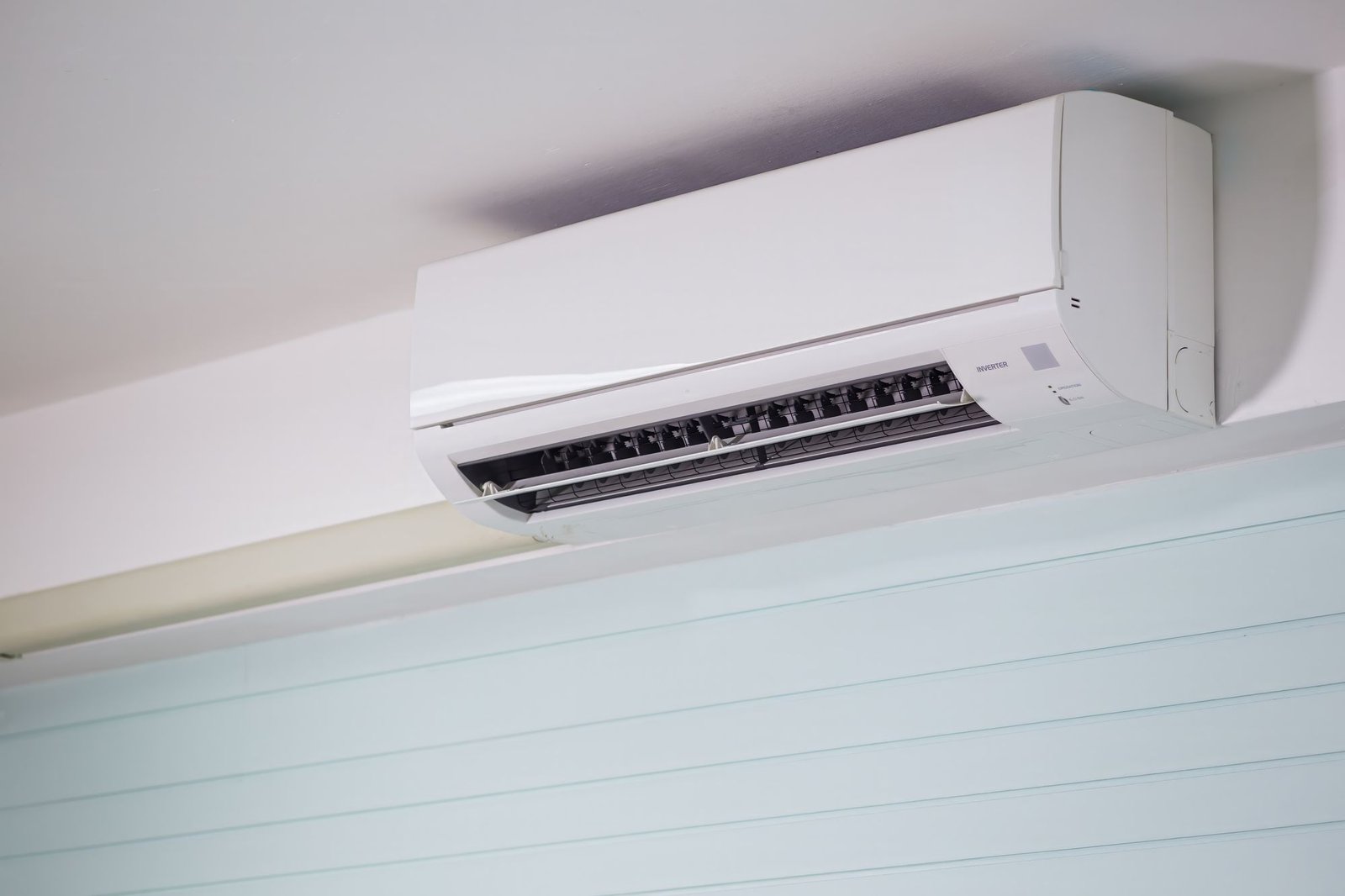
Pioneer mini split reliability sits in an interesting spot in the ductless market: the price is well below premium Japanese brands, but you get more capability than you would with the cheapest no-name imports. You might want to know whether that value holds up over time before you buy. This article breaks down pioneer mini split reliability based on the design, the demands of installation, the warranty terms and how the units perform in the real world so you can decide whether a Pioneer unit is right for your home.
Key Takeaways
-
Pioneer mini split systems are cheap to buy and can be reliable when a professional installs them. Their performance is similar to ordinary ductless heat pumps, but they come with fewer premium add-ons and diagnostics.
-
With proper maintenance, Pioneer mini splits (especially the Diamante and Quantum Hyperformance lines) can run for 10 to 15 years. The single biggest thing that can affect reliability is probably the quality of the installation, including the vacuuming, the charging and the flare work.
-
Pioneer covers parts for 1 year if you do not register and 5 years (including the compressor) if you register quickly after proper installation. Labor is never covered.
-
Pioneer is probably not a self install brand in any sense. Reliability and warranty both assume a licensed technician handles the refrigerant, the flares and the line set. Self-installation is limited to mounting the units only.
-
Pioneer indoor heads use basic washable mesh air filters that protect the equipment but do not clean the indoor air very much. Adding separate filtration keeps the system cleaner and can improve long-term reliability.
How Reliable Are Pioneer Mini Splits Overall?
Pioneer mini splits are mid-tier, value-oriented heat pump systems. They are manufactured by major Chinese OEMs, primarily Midea and they share the same core inverter and compressor technology that is found across many mainstream brands. They usually provide good energy efficiency for the price, and their reliability largely matches other mainstream mini split systems when installed and maintained correctly.
We see typical lifespans in the 10–15 year range for these units in normal residential use. That is similar to many ductless brands, though generally a step behind top Japanese brands that are installed perfectly and supported by dense local dealer networks. Pioneer's own documentation states that systems should last at least 10 years with proper care.
Major reliability complaints almost always trace back to poor installation. Bad flares, no deep vacuum and kinked line sets are the usual causes, rather than a specific Pioneer design flaw. Their move to R-32 and R-454B refrigerants (A2L class) hasn't reduced reliability in our experience, but it does make precise charging and leak-tight joints more important than they were with older R-410A systems.
-
Professional installation with proper vacuum, nitrogen test and torque-correct flares
-
The line set has the correct diameter and the insulation matches the model
-
There is regular cleaning of the filters and periodic maintenance of the coils
-
Surge protection in areas with power that is not stable
-
DIY installs or bad installs that skip the vacuum or skip leak detection
-
Line sets that are kinked, too small or poorly insulated
-
There are filters that are neglected and outdoor unit airflow that is blocked
-
Running the system in extreme cold without checking whether the defrost drainage is working
What We Judge for Reliability
-
Compressor and inverter design: Whether Pioneer uses variable-speed inverter compressors (they do), what built-in guards exist (discharge temp, over-current, pressure), and how the compressor handles partial loads over time.
-
Installation requirements: The vacuum level in microns that is needed, the nitrogen pressure test before charging, the correct torque on flare nuts, the gas and liquid line diameter for each model, and the maximum height differences.
-
Charge flexibility: How much refrigerant is pre-charged, the maximum line set length before you need to add extra, and how much additional refrigerant per foot is needed. For example, Pioneer puts out tables that show line set diameters and they specify 3/8-inch gas lines and 1/4-inch liquid lines for most 9K–12K single-zone units.
-
Ease of servicing: Parts availability can be an issue for Pioneer units because they are budget-friendly, so we check whether replacement boards, motors and sensors are easy to order.
-
Warranty terms: Narrow or confusing warranty terms can be a red flag for long-term support, even if the hardware is solid. We cross-check Pioneer's stated specs with what we see in manuals and in the field to understand how easy the systems are to work with.
Pioneer Mini Split Design and Reliability
Indoor wall-mounted heads on the Diamante and Essenza lines use simple, proven blowers and controls. They are easier to service and usually reliable, but light on advanced diagnostics compared with premium brands. Pioneer mini splits operate quietly at 29 to 45 decibels indoors, which is competitive for the price tier. Fewer smart features mean fewer points of failure, but also fewer built-in guards like advanced leak detection or software that self-diagnoses problems.
The Diamante Pro 12K (WYT012GLSI20RL) uses flare connections rather than quick-connect fittings. Flares are reliable when torqued properly but they are the most common leak and failure point if the work is done in a hurry or put together without a torque wrench. This is a straight forward design choice, but it demands that your installer knows what you are doing.
Real-World Lifespan and Common Failure Points
In typical U.S. climates with average use, Pioneer mini splits usually run 10–15 years, and the first 5 years are usually trouble-free when a tech with EPA certification does the installation. They can last many years with proper installation and care.
Common early-life issues (1–3 years):
-
Refrigerant leaks at flare nuts. Even a slow leak causes frost on the evaporator, reduced cooling capacity and long-term compressor damage if you ignore it.
-
Insufficient vacuum during charging, leaving moisture or air that forms acid and wears out the inside of the compressor.
-
Kinks in the line set leading to pressures that are not normal and strain on the compressor.
-
Outdoor fan motors and indoor blower motors wearing out, especially in environments with high humidity or heavy loads.
-
Thermistors that move out of spec, causing temperature control that is not steady
-
Control boards failing after power surges or moisture intrusion that happens again and again.
-
In cold-climate models like the Quantum Hyperformance (rated to heat down to -22°F), defrost cycles and extreme temp changes stress components if snow clearance and drainage are neglected.
Installation Quality Is the Biggest Reliability Variable
Pioneer is not a DIY-installable system. These mini splits need installation by a licensed technician with EPA Section 608 certification who can pull a deep vacuum, pressure-test every joint and handle A2L refrigerants safely. While Pioneer's marketing is targeted at you for the mounting and basic setup, the refrigerant work is strictly professional area. A vacuum pump, micron gauge, nitrogen tank, flare tools and torque wrenches are all equipment that is needed.
They need professional installation for best efficiency. Improper installation can increase energy use by 30%. The warranty will be void if self-installed without proper documentation. Installation costs usually range from $1,500 to $5,000 depending on how complex the job is, how long the line set is, and what local labor rates are.
Pioneer's popular dual-zone condenser is pre-charged for 7.5 m (25 ft) for each circuit. Longer runs need precise additional refrigerant: about 0.16 oz for each extra foot on a 1/4 inch liquid line or 0.32 oz per foot on a 3/8 inch line. Under- or over-charging outside those guidelines can shorten compressor life, especially in heat pump mode where pressures swing wider.
-
What vacuum level (in microns) did you achieve? (Target: below 500 microns)
-
Did you pressure-test with dry nitrogen before evacuating?
-
What is the measured length of the line set and the height difference?
-
What torque values did you use on the flare connections?
-
Who is going to record these details for warranty claims in the future?
Secure wall mounting, correct condensate drainage slope and properly sized breaker and wire gauge also affect long-term reliability by preventing vibration damage, water intrusion and electrical stress.
Efficiency and Reliability for Diamante, Diamante Pro, Quantum and Essenza
Diamante series: Pioneer's ordinary workhorse. The Diamante series rates between 17 and 23 SEER2 depending on size and model. The 23 SEER2 rating is the highest among brands in this price tier. Higher SEER ratings lead to lower electricity bills for cooling, and moving from 17 to 23 SEER2 cuts cooling energy by 26 percent. These systems have a solid track record of reliability when installed well. They suit hot, humid climates where dehumidification hours are long.
Diamante Pro: The 12K WYT012GLSI20RL runs at 20 SEER2 and 9.5 HSPF2, using R-454B refrigerant. It pushes higher efficiency without changing core components in a big way, so reliability is similar to standard Diamante, but install precision (especially flares and vacuum) matters more. Pre-charged to 25 ft, 208-230V.
Quantum Hyperformance: SEER2 is up to 25 in the 9K and 12K sizes, with heating rated down to -22°F. These pack more performance into the same basic chassis, increasing reaction to charge level and airflow, but not necessarily failure rates if maintained. Best suited where extreme cold-climate capacity is actually needed.
Warranty Terms and Long-Term Reliability
Pioneer's warranty doesn't make the equipment more reliable, but it signals how the company thinks systems should be installed and supported. Your experience with Pioneer customer service can vary a lot, so your best defense is documentation.
-
Pioneer warranty needs installation per the manual. If a system is self-installed or installed without following the instructions, the warranty can be canceled completely.
-
Labor is never covered under Pioneer's standard warranty. Even within the warranty period, you will pay for the visit from the technician and the replacement work.
-
Pioneer's current wording specifies registration within about one week of proper installation for the 5-year coverage. Some buy channels and older documentation reference windows of 14 to 90 days, but don't gamble on the longer window. Register immediately via Parker Davis's website.
-
Keep detailed installation documentation: the length of the line set, the type of refrigerant (R-32 or R-454B), the installer's license and Section 608 number, the vacuum readings, the results of the final pressure test, and the model and serial number. All of this is important if components fail within the warranty period.
Maintenance Habits for Pioneer Mini Splits
-
Check the outdoor unit annually. Clear leaves, debris and snow. There should be 2–3 feet of clearance for airflow. Gently rinse the coil and check that the fan turns freely.
-
Monitor for early warning signs. Unusual noises, ice on lines, temperature that swings up and down, or error codes on the display. Address these right away rather than waiting weeks. Early detection prevents expensive compressor or board failures.
Line Sets, Accessories and Reliability
- Avoid mixing random aftermarket control boards, remotes or wifi adapters that Pioneer has not approved. Unapproved electronics can introduce intermittent problems, make troubleshooting harder and may void warranty coverage.
Who Pioneer Mini Splits Suit for Reliability
-
Plan to hire a licensed professional for the complete installation process, including flaring the copper line sets and pressure testing.
-
Will register the warranty quickly and maintain records of the installation
-
Want a true DIY or self install mini split where you handle everything including refrigerant-Pioneer doesn't support that. The warranty won't either
Compared to self-install brands, a professionally installed Pioneer offers more reliability for similar money. Compared to top Japanese manufacturers, Pioneer gives you similar core hardware but fewer safety margins in diagnostics, backup systems and dealer support networks. The difference comes down to what you're willing to invest in installation and maintenance.
FAQs About Pioneer Mini Split Reliability
Do Pioneer mini splits need special tools or skills?
Yes. Achieving reliable performance needs a vacuum pump, a micron gauge, nitrogen for pressure testing, flare tools and torque wrenches, along with EPA Section 608 certification for handling refrigerant. While a homeowner can hang the indoor and outdoor units on the wall, Pioneer mini splits are not designed for full DIY charging and commissioning if long-term reliability and warranty coverage are priorities.