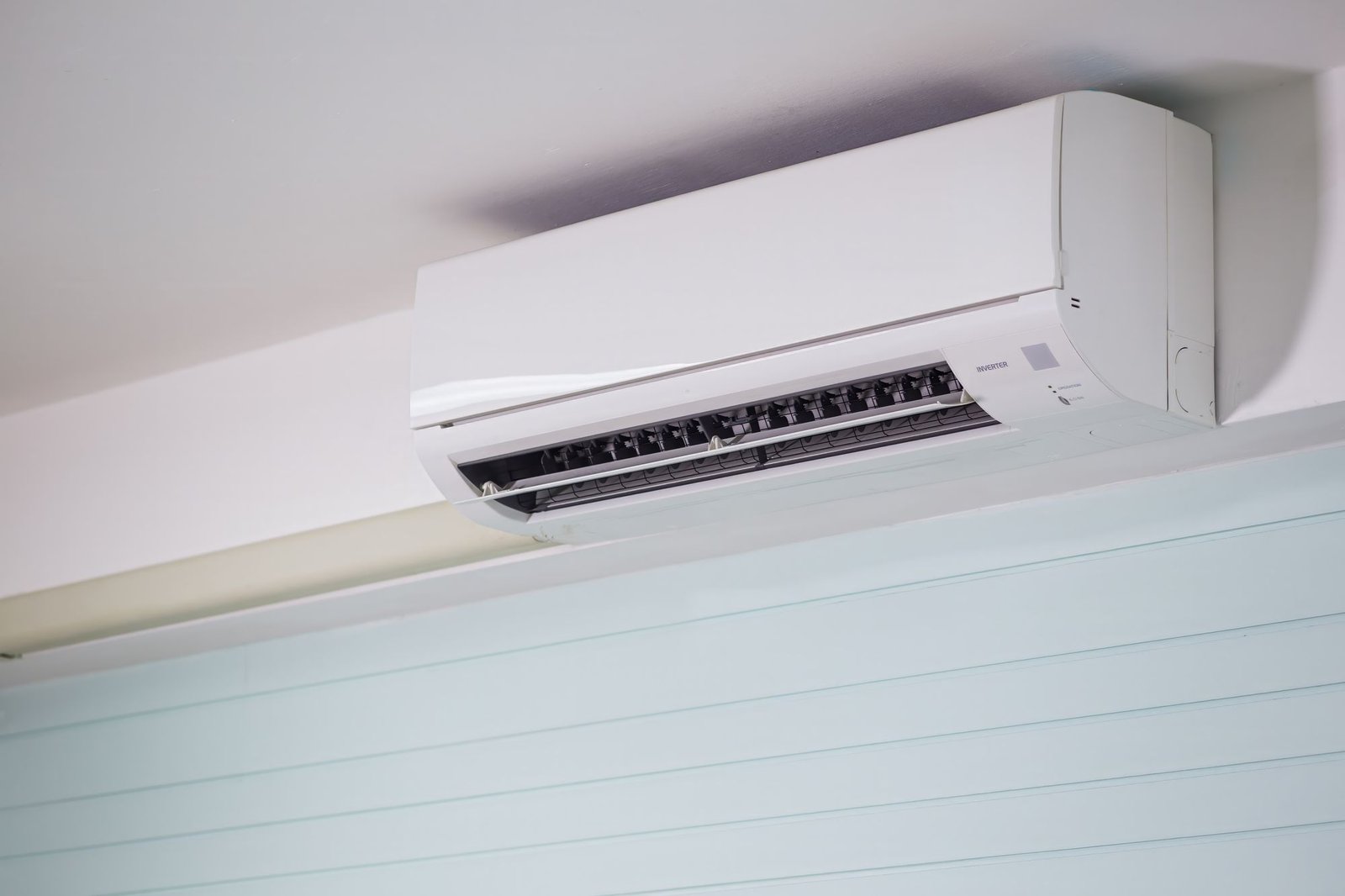
When comparing gree vs mitsubishi mini split systems, the core thing to think about is that Mitsubishi costs more upfront but gives you stronger cold-climate performance, deeper U.S. service support, and a longer reliability track record. With Gree systems often 30–40% cheaper than Mitsubishi and increasingly competitive on efficiency, they are a solid pick for moderate climates and budget-conscious projects. The right choice for you can depend on your climate zone, how long you plan to stay in the house, and how much local contractor support each brand has where you live.
In the North American market, Mitsubishi is recognized as the gold standard for ductless mini-split systems. So how do its Hyper-Heat models handle extreme cold? They hold full heating capacity to −10°F, so they can work as a realistic primary heat source even in New England. Gree is one of the largest AC manufacturers in the world and frequently builds equipment that gets sold under other HVAC brand names, so its hardware is more widely used than the Gree name alone suggests. Both brands sell systems that meet current efficiency standards, but they sit in different levels for price, support depth and long-term data.
If you live in a cold climate, need primary heating and plan to stay 10–15+ years, Mitsubishi is the safer default. Gree is a reasonable choice when budget leads the decision, climate is mild and a trusted local contractor installs and services the brand.
What Is Gree in the Mini Split Market?
-
Price. Gree's pricing is usually 30–40% lower than Mitsubishi's for similar capacity, and that makes it attractive for additions, a garage conversion or a one room cooling-and-heating project.
-
Newer cold-climate lines. Models like the Airy 230V (up to 30.0 SEER2 / 11.2 HSPF2) and Pular 230V (up to 26.0 SEER2 / 10.4 HSPF2) push Gree into low-ambient area, with rated operation down to −22°F in heating mode and operating range extending up to 129°F in cooling.
-
Warranty structure. Through a Pick Dealer and registration within 60 days, buyers can get up to 10 years on parts and compressor, though Gree's warranty options can vary widely based on the local dealer. Gree gives you a warranty of 5 years on parts and 7 years on the compressor under standard terms.
-
Service network. Gree's U.S. contractor and supplier footprint is growing but still thinner than Mitsubishi's in many markets, and that can affect the time it takes to get parts and the speed of out-of-warranty service.
What Is Mitsubishi Electric in the Mini Split Market?
In the category of ductless mini splits, Mitsubishi Electric is a Japanese premium brand that contractors widely regard as a top choice for reliability, efficiency and how well the heat pump does in cold weather.
-
Flagship specs. The MSZ-FX09NL / MUZ-FX09NLHZ pair is rated 33.1 SEER2 and 13.3 HSPF2 on R-454B refrigerant-among the highest efficiency numbers available in a residential wall-mount split system. Mitsubishi's Hyper-Heating technology maintains 100% capacity down to −10°F and keeps operating down to −22°F.
-
Broad product range. With wall-mount heads, floor units, ceiling cassettes, ducted air handlers and both single- and multi-zone outdoor units, Mitsubishi can cover everything from a single room addition to a full-house retrofit.
-
Long service life. In 2026, contractors agree that Mitsubishi is the most reliable mini split brand, with many older units (10–20+ years) still running in tough climates. Compared to mid-tier alternatives, Mitsubishi mini-split systems generally offer superior technology and longevity.
-
Warranty reality. From our own knowledge: when a licensed contractor installs it, Mitsubishi Electric's M-Series base warranty is 5 years on parts. When registered, Mitsubishi offers a 12-year compressor warranty, but the 12-year parts and compressor term applies only when a Diamond Contractor installs the system and registers it within 90 days. Labor is not covered under either tier.
-
Premium pricing. Mitsubishi systems usually cost $4,500–$8,000 per zone installed, with advanced Hyper-Heat and high-SEER2 models landing at the top of that range. The higher price reflects the brand's premium status and deeper support infrastructure across North America.
Gree vs Mitsubishi at a Glance
| Factor | Gree | Mitsubishi |
|---|---|---|
| Best for | Budget-conscious buyers in moderate climates | Long-term owners in cold or demanding climates |
| Typical installed cost (single-zone) | $2,500–$7,000 | $3,500–$8,500 |
| Efficiency ceiling (SEER2 / HSPF2) | Up to 30.0 / 11.2 (Airy 230V) | Up to 33.1 / 13.3 (MSZ-FX09NL) |
| Cold-climate capability | Operates to −22°F; capacity retention data less documented | 100% capacity to −10°F; operates to −22°F (Hyper-Heat) |
| Heating operating range (high end) | Up to 129°F | Up to 115°F |
| Warranty (standard / extended) | 5 yr parts / 7 yr compressor; up to 10/10 via Select Dealer | 5 yr parts; up to 12 yr parts + compressor via Diamond Contractor |
| U.S. service network depth | Growing but uneven by region | Deep, well-established nationwide |
The headline takeaway: Mitsubishi leads on performance, reliability data, and support infrastructure for long-term, cold-climate installs. Gree wins on upfront cost for buyers whose climate and risk tolerance allow it.
Decisive Factor #1: Upfront Cost and Value
A typical professionally installed single-zone Gree wall-mount mini split system runs about $2,500–$7,000 in most U.S. markets, depending on capacity, line-set routing and any needed electrical work. Mitsubishi's similar single-zone installation usually lands in the $3,500–$8,500 range, with many common jobs coming in around $5,500–$6,500. Multi-zone Mitsubishi systems often reach $10,000–$25,000+ depending on the number of zones and complexity.
The gap grows when you compare premium equipment because Mitsubishi's top-tier Hyper-Heat units with 30+ SEER2 ratings cost a lot more than Gree's highest-efficiency Airy or Pular models. Both brands need professional installation for valid warranty coverage, so neither is a true plug-and-play buy and labor is always part of the equation. Mitsubishi requires a certified contractor for installation, and Gree's warranty may be canceled if it's not installed by an authorized contractor.
Over a 10–15 year ownership horizon, the math shifts. If a less-supported unit needs a condenser board or compressor replacement outside warranty, those costs can eat into the original savings quickly. We generally advise buyers to weigh total cost of ownership, not just the price on the tag.
Winner: Gree - Gree usually wins if lowest installed cost per BTU is the top priority. Mitsubishi makes the premium worth it for owners planning to stay long-term or in demanding climates where reliability risk carries a higher price tag.
Decisive Factor #2: Efficiency and Operating Costs
Mitsubishi's top residential models lead the industry here. The MSZ-FX09NL / MUZ-FX09NLHZ pair hits 33.1 SEER2 and 13.3 HSPF2, and that is among the highest numbers available in any residential wall-mount mini split. Even Mitsubishi's mid-line units can often reach the mid-to-high 20s on SEER2. Gree's efficiency ratings are competitive with Japanese brands in many models, and both brands have high efficiency ratings, with Gree's Sapphire line reaching up to 30 SEER2 and the Airy 230V hitting 30.0 SEER2 / 11.2 HSPF2. At about 26.0 SEER2 / 10.4 HSPF2, the Pular is a good product for its price level but trails Mitsubishi's top-end by a gap.
An important note: before 2023 the federal minimum for split heat pumps was 14 SEER and 8.2 HSPF, but the 2023 figures are on the new SEER2/HSPF2 test and are not directly similar. Homeowners should only compare SEER2 to SEER2 when evaluating equipment. The efficiency ratings of mini-split systems depend on operating conditions and system specifications, so published tops represent best-case testing and are not a warranty for every house.
ENERGY STAR v6.2 needs split heat pumps to reach at least 15.2 SEER2, 11.0 EER2, and 7.8 HSPF2 to be certified. Many Gree models can clear this bar, but not all, so check the specific model's rating sheet. Mitsubishi's higher-tier models exceed ENERGY STAR levels by wide amounts. Federal rules cap average off-mode power at 33 W for split-system heat pumps, so standby consumption is similar between brands and not a key difference.
In practical terms, the efficiency difference between a mid-20s SEER2 Gree and a low-30s SEER2 Mitsubishi adds up over a decade, especially in markets with high electricity rates or homes with heavy summer cooling and winter heating loads. In a mild climate with low utility rates, the payback gap gets smaller.
Winner: Mitsubishi - Mitsubishi leads on peak efficiency and will likely deliver lower seasonal operating costs in heavy-use or high-rate markets. Gree is efficient enough for many milder-climate, budget-focused installs where the annual savings difference is small.
Decisive Factor #3: Cold-Climate Heating Performance
Mitsubishi's Hyper-Heat series is built for cold climates. The MSZ-FX09NL / MUZ-FX09NLHZ holds 100% of its rated heating capacity down to −10°F and continues operating to −22°F. That means in a properly insulated and sized installation, this unit can serve as the primary heat source in much of New England and the upper Midwest without backup. Mitsubishi's Hyper-Heating technology maintains capacity down to extreme low temperatures. That is a claim backed by years of field data in North American cold-climate housing stock.
Gree systems can operate in temperatures as low as −22°F in heating mode. Gree operates effectively in temperatures as low as −22°F, and both the Airy and Pular lines list low-ambient specs. But there's a difference between "operates at" and "maintains full capacity at." Gree's published capacity retention curves at temperatures well below 0°F are less transparent and backed by fewer independent field studies than Mitsubishi's. In practice, some capacity loss at −5°F or below is expected with any heat pump, but Mitsubishi's data is more thoroughly shown.
Winner: Mitsubishi - Mitsubishi is the safer choice where winters regularly drop below 0°F or where the mini split will be the only heat source. With a backup heat source or in colder zones where temperatures rarely dip below 10–15°F, Gree can be viable.
Decisive Factor #4: Reliability, Warranty and Support
Over a 10–15 year ownership period, raw failure rates, the fine print in the warranty, and whether parts are available can matter more than the buy price. This is where the gap between a premium brand and a mid-tier brand matters most.
Warranty comparison:
-
Mitsubishi: The M-Series standard warranty is 5 years on parts when installed by a licensed contractor. When registered, Mitsubishi offers a 12-year compressor warranty, but that 12-year parts and compressor coverage applies only when a Diamond Contractor installs the system and registers it within 90 days. Labor is not included. Most warranties need installation by authorized contractors, and warranties may be canceled if units are bought online and installed independently.
-
Gree: Gree provides a 5-year parts and 7-year compressor warranty under standard residential terms. Through registration within 60 days and installation by a Pick Dealer, coverage can extend to 10 years on both parts and compressor. However, Gree's warranty options can vary widely based on the local dealer, and Gree's warranty may be canceled if it's not installed by an authorized contractor. For context, Daikin offers a 10 to 12-year warranty for registered installations. That puts it in a similar level to Mitsubishi's extended terms.
Gree's U.S. service infrastructure is solid and growing, and Gree reports distribution in 37 states with hundreds of locations, but fewer certified premium installers in many markets can mean longer lead times for parts or diagnostic support. Because Gree frequently manufactures equipment that is sold under other HVAC brand names, some U.S. brands built on Gree hardware actually have better support than "pure" Gree-branded equipment, depending on the partner company.
In both cases, warranty claims need a licensed installer and proper paperwork. Online-only purchases and DIY installs usually reduce or eliminate coverage.
Winner: Mitsubishi - Mitsubishi offers stronger long-term reliability expectations and a more robust U.S. support network. With decent warranty terms but a thinner service infrastructure, Gree buyers should confirm local support before they buy.
Decisive Factor #5: Product Range and Use-Case Fit
Gree's range covers standard wall-mount single- and multi-zone systems well enough, with some cassette and ducted options available in the U.S. channel. For a typical one room or two-zone addition, Gree has the hardware. But for complex 4–8 zone arrangements, mixed ducted/ductless designs, or projects requiring specialized accessories and controls, Mitsubishi usually has a more complete answer. Gree's control options, including Wi-Fi modules and app connectivity, are improving but still more basic compared to Mitsubishi's integration depth.
Winner: Mitsubishi - Mitsubishi is better suited for whole-home and complex projects. At lower cost, Gree covers standard single- and simple multi-zone needs well enough.
Which Should You Choose: Gree or Mitsubishi?
There's no universal winner here-the right brand depends on your climate, budget, project range and how long you plan to own the home. Here's how we'd break it down:
-
Choose Mitsubishi if you live in a cold climate zone (regular winter temperatures below 0°F), plan to stay in your house 10–15+ years, want the largest dealer network and top-tier efficiency, and are willing to pay premium installed prices for a "set it and forget it" system.
-
Choose Gree if you're in a moderate climate, are more price-sensitive, need a simple single- or two-zone solution, and have a trusted local contractor who installs and services Gree regularly.
-
Choose either brand over no-name units from overseas if you care about listed specs, UL-listed equipment and access to replacement parts in 5–10 years. Both Gree and Mitsubishi are legitimate manufacturers with real warranty plans, unlike many budget machines sold online with no real support.
Our view: Mitsubishi is the safer long-term choice for tough climates and primary heating applications. When risk comfort, climate and local support line up, Gree is a reasonable way to trim your budget. And regardless of brand, the installer matters as much as the equipment, so get multiple quotes from licensed contractors who know the specific brand they're recommending.
FAQs About Gree vs Mitsubishi Mini Splits
Can You Install Gree or Mitsubishi Mini Splits Yourself?
Both brands are intended for professional installation. DIY installs often void or severely limit the manufacturer warranty and may violate local building code, especially the refrigerant handling and electrical work, which typically require a licensed electrician and EPA-certified technician. We'd encourage treating both brands as pro-install options and factoring that labor cost into any price comparison. Warranties may be voided if units are purchased online and not installed by authorized contractors.
Do Gree or Mitsubishi Mini Splits Qualify for Rebates?
Many Mitsubishi models, especially high-SEER2 Hyper-Heat units, easily exceed ENERGY STAR v6.2 standard (15.2 SEER2, 11.0 EER2, 7.8 HSPF2) and often qualify for federal tax credits and utility rebates. Several Gree models also meet ENERGY STAR levels, but not all do. Before you buy, check the specific model's SEER2 and HSPF2 ratings against current plan requirements and confirm whether you're eligible with your utility or installer.