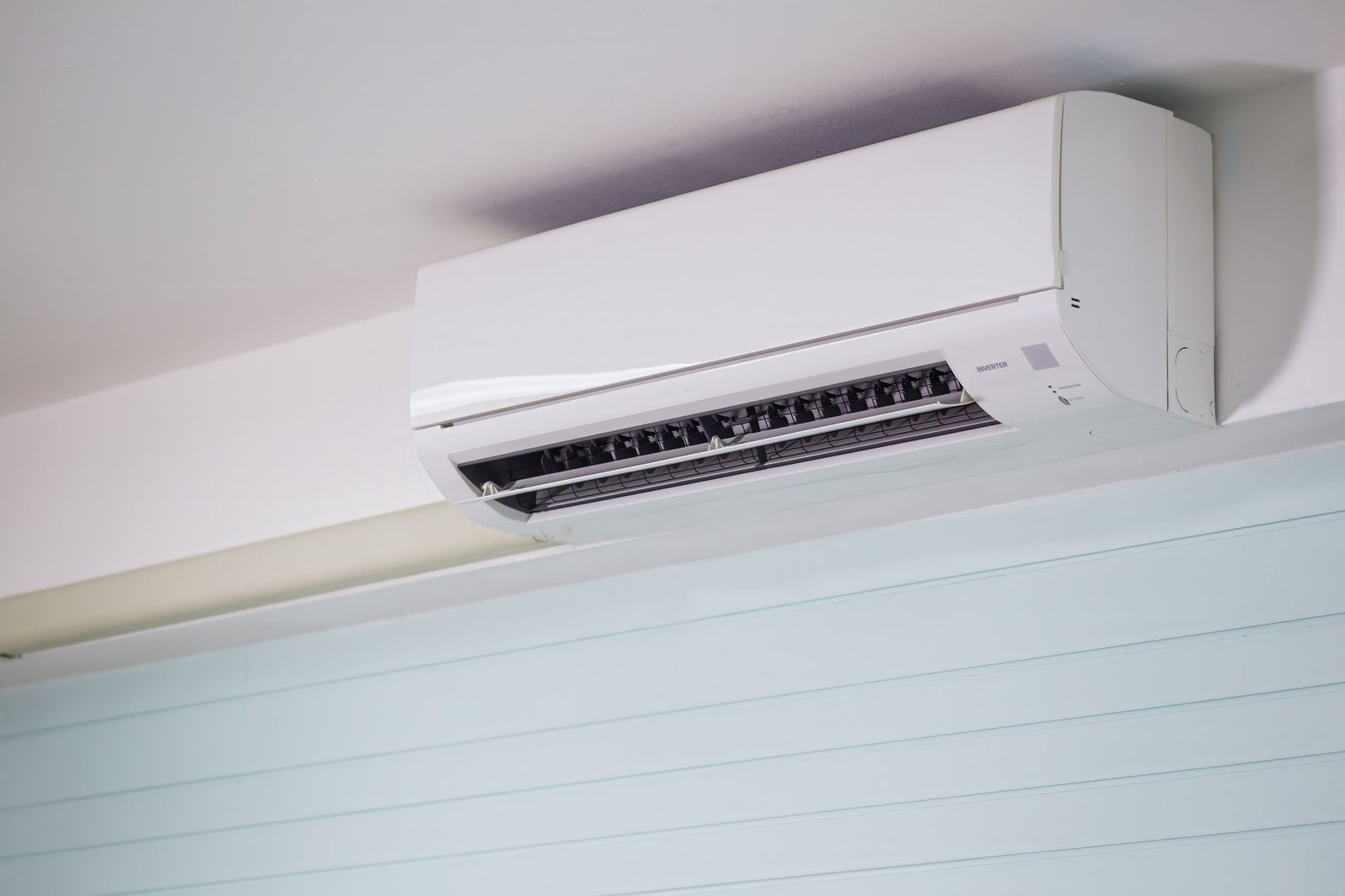
What to Know
-
Cooper and Hunter mini splits are generally reliable for what they cost if they are installed and maintained by a pro, but their warranty and parts access mean reliability depends more on install quality than it does with premium brands like Mitsubishi or Fujitsu.
-
Newer Cooper Hunter R-32 and R-454B heat pump models improve efficiency and get you ready for 2025 refrigerant rules, while older R-410A units are still widely sold online with less protection for the long haul.
Cooper & Hunter Mini Split Reliability
When homeowners ask about cooper and hunter mini split reliability, they usually want to know: will it run 10 to 15 years without expensive breakdowns, is the warranty easy to deal with, and will it actually hit its rated specs through a normal winter and summer? Those are fair questions for any brand, but you might notice them come up a lot with Cooper and Hunter because the brand sits in a space that gets both hope and doubt.
Is Cooper & Hunter a "Good Brand" for Reliability?
Here's how C&H does in practice:
-
Versus no-name imports: Fewer total failures, better documentation and a clearer warranty path. Cooper & Hunter mini splits tend to get decent marks for reliability and functionality in this segment.
-
Versus premium Japanese brands: More mixed reviews, a thinner service network and shorter warranty terms. Many users report that they run efficiently and quietly, but there is less room for error.
-
Warranty as a signal: The 7-year compressor and 5-year parts warranty shows moderate confidence in long-term performance, though the conditions are tighter than some competitors.
How Cooper & Hunter Mini Splits Are Built
Cooper & Hunter works with manufacturers in other countries and uses widely adopted part families (rotary or scroll compressors similar to other value brands). This common approach helps with basic reliability and means replacement parts often share specs with other mid-tier equipment on the market.
Refrigerants, 2025 Rules and Long-Term Reliability of Cooper & Hunter Systems
Refrigerant choice matters for future serviceability and regulatory compliance. The EPA's Technology Transitions rule caps new residential AC and heat pumps at a GWP of 700, with a manufacture and import compliance date of January 1, 2025. That pushes the industry away from R-410A, which has a GWP of 2,090 under EPA's SNAP listing.
Common refrigerants in Cooper & Hunter mini splits today:
| Refrigerant | GWP | Flammability | Type |
|---|---|---|---|
| R-410A | 2,090 | A1 (non-flammable) | Blend (R-32 + R-125) |
| R-454B | 470 | A2L (mildly flammable) | Blend (R-32 + R-1234yf) |
| R-32 | 675 | A2L (mildly flammable) | Single compound |
R-410A and R-454B are blends, while R-32 is a single compound. That distinction matters: blends can fractionate during a leak, making field top-offs less predictable and proper vacuum and charging even more critical for the life of the system.
For reliability, the real question is who can service your Cooper Hunter system with confidence in 2030 and beyond. Technicians are still far more familiar with R-410A. Newer A2L refrigerants need updated safety training, different leak detection equipment and sometimes different components. If local HVAC companies have not caught up yet, maintenance or repair later in the unit's life may be slower or cost more. Check the refrigerant type before installation so you can be sure your contractor and your region are ready for it.
What the Warranty Says About Reliability
Warranty structure is one of the clearest clues a manufacturer gives about its confidence in long-term performance. Cooper & Hunter offers a 7-year compressor warranty and 5 years on parts for properly registered and professionally installed systems. Labor and refrigerant costs aren't covered, and the warranty doesn't transfer to new owners.
Key conditions that affect real-world coverage:
-
Professional installation is mandatory for warranty coverage. The warranty has to have installation by a licensed HVAC contractor. DIY installations void it completely.
-
Units must be registered within 60 days of installation. If you miss the window, you may lose coverage.
-
Only systems from authorized distributors qualify for warranty. Online marketplace purchases from sellers who are not authorized are left out.
-
Starting January 1, 2026, C&H introduced an "Out-of-Box Warranty" for eligible units purchased from authorized distributors, removing the registration requirement for those purchases.
Customer service and warranty claims can be slow and frustrating. Some owners report delays around diagnostics, shipping costs for failed parts, and disputes over install quality. A strict warranty does not necessarily mean the hardware is unreliable, but it does mean homeowners have less room for install or maintenance mistakes before repairs come out of pocket.
Installation Quality Is the Biggest Reliability Factor
For Cooper & Hunter, and really any mini split, the difference between a trouble-free 12 years and constant callbacks is almost always the installation. Improper installation can increase energy use by 30%, and that also stresses components and shortens life. That penalty hits harder on value-tier hardware than on premium equipment built with wider tolerances.
Specific install details that affect reliability of a Cooper Hunter mini split:
- Correct refrigerant charge matched to line length (C&H's R-454B spec sheets specify additional grams per foot beyond the factory charge length)
Many C&H units are sold through DIY and semi-pro channels. That raises the odds of poor installs even though the warranty technically needs a licensed contractor. Proper installation is crucial for minimizing early failures. Installation quality has more impact on reliability and performance for mini-split systems than the brand name on the box.
Maintenance and Everyday Reliability Issues
Everyday maintenance is what separates a Cooper & Hunter mini split that lasts a decade from one that gives error codes after three years. The single most important task is cleaning the air filter.
Two facts worth noting:
- Neglected filters can void the warranty on Cooper & Hunter systems. The warranty documents explicitly exclude damage from maintenance neglect.
Parts, Service Network and Real-World Downtime
Practical advice: Before you buy, it's worth calling a local HVAC contractor and asking if they service Cooper & Hunter. Ask how they get parts and whether they've handled warranty claims with the brand. A cheaper Hunter system may cost more in frustration if support is thin in your area.
How Cooper & Hunter Reliability Compares to Other Mini Split Brands
Reliability should be compared within price tiers. Here's a quick breakdown:
| Cooper & Hunter | Premium (Mitsubishi, Fujitsu, Daikin) | Ultra-Budget / No-Name | |
|---|---|---|---|
| Typical warranty | 7 yr compressor / 5 yr parts | 10–12 yr compressor / 10–12 yr parts | 1–3 yr if any |
| Parts availability | Moderate (regional) | Strong (national dealer network) | Poor |
| Build quality | Good for price; lighter materials | Heavier gauge, better noise damping | Variable, often cheapest possible |
| Failure rate (anecdotal) | Low–moderate with good install | Low | Moderate–high |
| Cost | $$ | $$$–$$$$ | $ |
Fujitsu's 12-year parts and compressor coverage, for example, reflects a different level of risk tolerance and expected service life than C&H's 7/5-year terms. But the upfront cost difference can be $1,000 or more per zone.
Reliability of Specific Cooper & Hunter Series
Different Hunter mini split lines share core technology, so reliability is broadly similar. The differences are in how efficiency is tuned, how well they handle cold climates, and the form factor. Many series have Wi-Fi for smartphone control, and SEER ratings range from 16 to over 24 depending on the model.
-
Sophia series: The main line with wall mount, cassette, floor console and slim duct options, generally up to about 25 SEER2. It's good for typical residential year-round service in moderate climates. You can expect quiet operation and solid heating.
-
Olivia series: The Olivia series hits a maximum of 26.4 SEER2, the highest in the Cooper Hunter lineup. More aggressive efficiency tuning means it runs great when installed correctly but has less room if airflow or charge is off. Cooper & Hunter mini splits reach up to 26.4 SEER2 with this line.
-
Hyper Heat variants: Models with Hyper Heat maintain heating capacity in sub-freezing climates. Hyper Heat variants can provide heating down to -13°F. ENERGY STAR certification tests performance down to 5°F, and these models exceed that threshold comfortably. Cold-climate reliability depends on correct sizing, defrost strategy and enough outdoor unit drainage.
Future-Proofing Reliability as Refrigerant and Energy Rules Tighten
Long-term reliability is tied to regulatory and market changes around refrigerants and high efficiency standards through the 2030s. The AIM Act's HFC phasedown schedule reduces industry production to 60% of baseline for 2024–2028, 30% for 2029–2033, 20% for 2034–2035, and 15% from 2036 onward. As R-410A supply tightens, the cost of servicing older units will go up.
Under 40 CFR 82.154(c)(1), the refrigerant sales restriction has covered HFCs such as R-410A and R-454B since January 1, 2018, not just ozone-depleting refrigerants. That means DIY top-offs aren't legally feasible, so you need a reliable, leak-free install from the start.
Questions to ask your contractor: What refrigerant does this model use? How easily can it be serviced under future codes? Do they carry or can they get replacement parts and refrigerant quickly for this specific unit?
Is a Cooper & Hunter Mini Split Right for You?
-
A licensed, experienced contractor handles the install and setup
-
You buy from an authorized distributor so warranty and parts are solid
-
You'll stay in your house long enough to benefit from the warranty
-
You are flipping a house. The warranty doesn't transfer to new owners.
FAQ
Are Cooper & Hunter Mini Splits Loud?
Indoor units run quietly at 22 to 30 dB on low settings. That is competitive with other value and mid-tier mini splits. They're not quite as whisper-quiet as some premium Japanese models in sleep mode, and noise can rise under full load or if the fan speed is set too high for the room size. Keeping the right size and fan speed on auto can matter more to you than brand alone. If night noise is a concern, check the indoor unit's low-speed dB rating before you buy.
Is Your Contractor a Good Fit for Cooper & Hunter?
Ask how many ductless mini splits they install per year and whether they've worked with Cooper & Hunter specifically. Find out how they handle warranty claims and where they get parts. Do they deal directly with the manufacturer or go through a distributor? Request a commissioning report after the install that includes vacuum test results, refrigerant charge and a bubble test on all connections. A contractor who can't or won't provide those details isn't the right fit for any brand, let alone one where install quality is the biggest reliability variable.